
Discover the transformative power of breathwork retreats
Experience the profound healing power of conscious breathing. Breathwork retreats open your heart, release old emotions, and guide you to your true self.
Read more

In our modern world, we often forget one of the most fundamental functions of our bodies: the breath. Most of the time, breathing happens automatically, keeping us alive without any conscious effort. However, when you take the time to focus on this process, you unlock a powerful tool for self-regulations and calm. A breathwork retreat is not about performing or reaching a mystical state; it is simply a dedicated period where you learn to use your breath to support your physical and mental well-being. By stepping away from your usual environment, you allow yourself the grace to breathe deeply and live more slowly.
At its core, a breathwork retreat focuses on simplicity. You don't need special equipment or previous experience. You only need your lungs and a willingness to observe how you feel. During these retreats, you learn that the way you breathe is often a reflection of how you live. If you are stressed, your breath is likely shallow and fast. By slowing down the breath, you signal to your brain that you are safe. This return to basics helps you strip away the layers of daily obligations and reconnect with your steady, natural rhythm.
We rarely give ourselves permission to just 'be.' A breathwork retreat provides a structured yet gentle environment where your only task is to listen to your body. This space is essential for reflection. When the noise of emails, notifications, and social expectations fades away, you can finally hear what your body has been trying to tell you. It is a time for quiet observation and honest check-ins with yourself, supported by a community of people who are there for similar reasons.
Life has become increasingly fast-paced, and many of us find ourselves in a constant state of 'fight or flight.' This chronic stress can lead to fatigue, irritability, and a feeling of being disconnected from our own needs. Choosing a breathwork retreat is an act of self-care that addresses these issues at their root—the nervous system. Rather than just taking a vacation where you remain busy with sightseeing, a retreat offers a true pause. It is an investment in your long-term health and emotional stability.

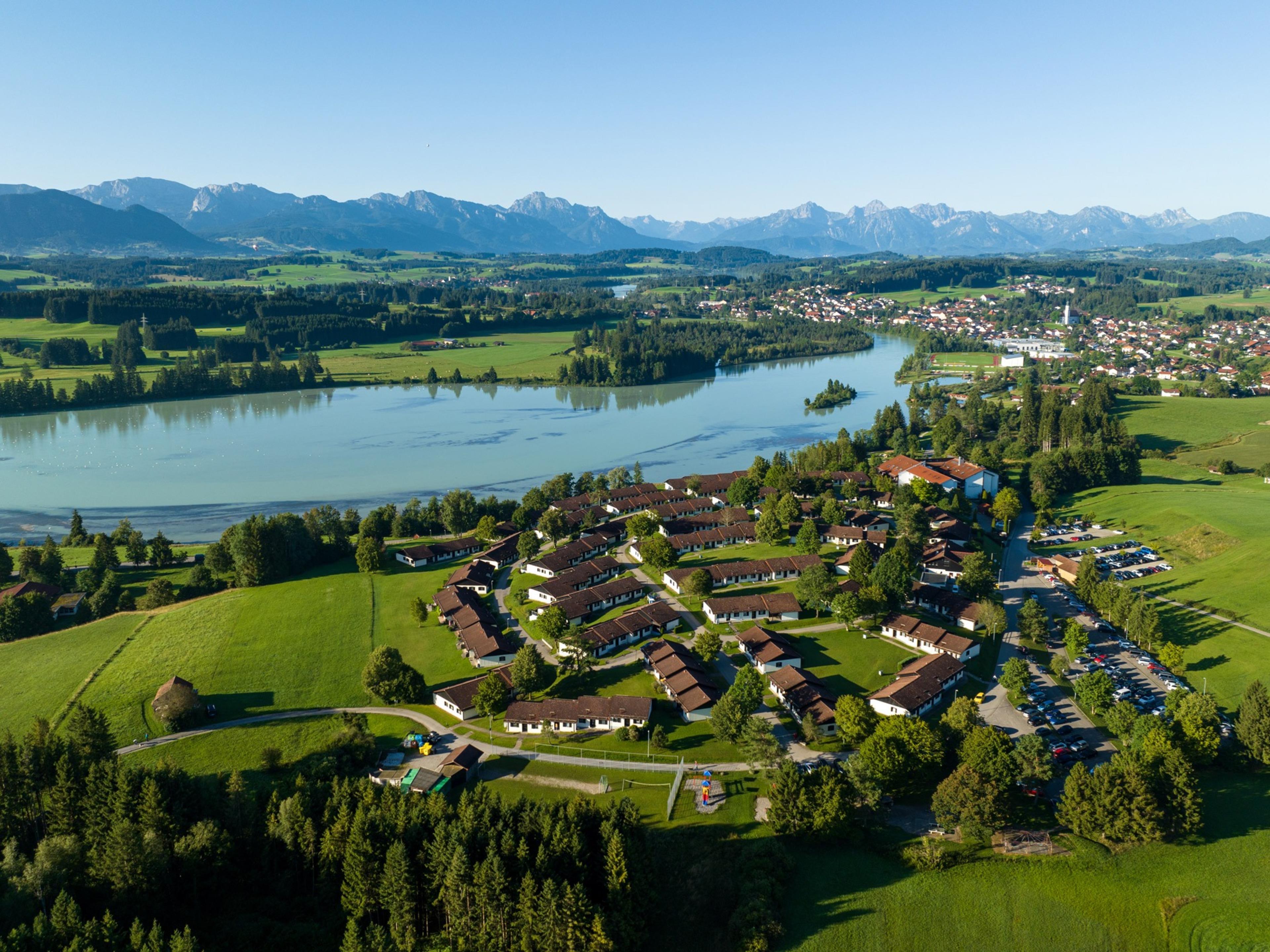
When you attend a breathwork retreat, you enter a sanctuary designed for restoration. The environment is usually chosen for its natural beauty and quietude, allowing the external stillness to mirror the internal peace you are cultivating. During your stay, you will likely engage in various breathing sessions, ranging from gentle mindfulness to more intensive techniques. These sessions are usually balanced with periods of rest, walking in nature, and nourishing meals. The goal is not to achieve perfection in your technique, but to develop a more conscious relationship with your body. You will find that as your breathing becomes more rhythmic and full, your mind follows suit, becoming clearer and less reactive to the stressors of the outside world. This process is gradual and respected by the facilitators, who ensure that everyone moves at their own pace without pressure.
Breathing is the only function of the autonomic nervous system that we can consciously control. This makes it a direct 'remote control' for our physiology. When we practice specific breathing patterns, we influence our heart rate, blood pressure, and even our hormone levels. In a breathwork retreat, you learn the mechanics of how this works. Understanding the 'why' behind the practice can make it much easier to trust the process and apply it when you return home to your busy life.
One of the primary benefits of conscious breathing is its ability to activate the parasympathetic nervous system, often called the 'rest and digest' system. Through long exhales and diaphragmatic breathing, you stimulate the vagus nerve. This tells your body to lower its cortisol levels and slow down. In the supportive setting of a retreat, you can practice this repeatedly until it becomes a baseline for your body, helping you move out of a state of constant survival and into a state of growth and repair.
Many of us hold tension in our shoulders, jaw, and chest without realizing it. Shallow breathing reinforces this physical tightness. During a retreat, you are encouraged to breathe into these tight areas. As you learn to expand your ribcage and use your diaphragm fully, you might notice a physical release. This isn't just about relaxation; it is about restoring the natural mobility of your torso and improving your posture and energy levels over time.
Walking into a breathwork retreat for the first time can feel intimidating, but the atmosphere is generally one of warmth and acceptance. You won't be expected to be an expert. Most retreats start with an introduction to the anatomy of breathing and simple exercises to help you get comfortable. There is a strong emphasis on safety and personal boundaries, ensuring that you feel secure throughout every session.
A facilitator acts as a steady guide. They are there to hold space, offer corrections to your technique, and support you if challenging emotions arise. Breathwork can sometimes bring up suppressed feelings, which is a natural part of the process. Having a professional by your side ensures that you can navigate these moments safely. They provide the structure and the 'anchor' that allows you to explore your breath more deeply than you might feel comfortable doing alone at home.
If you are new to this path, the retreat will likely focus on foundational techniques. This might include box breathing, alternate nostril breathing, or simple mindful observation. These tools are accessible and effective. You will spend time practicing these in different positions—sitting, lying down, or even walking. The variety helps you understand how breath supports you in different activities, teaching you that you can use these tools anywhere, at any time.
The true value of a breathwork retreat is found in what happens after you leave. A retreat serves as a laboratory where you learn new skills, but the real practice begins when you return to your family and work obligations. The transition back can be handled with care by taking small pieces of the retreat home with you. It is about building a sustainable habit rather than looking for a quick fix.
You don't need to spend two hours a day breathing to see results. A retreat will often help you identify 'micro-practices'—small 5-minute routines that you can fit into your morning or during a lunch break. By integrating these small moments of conscious breathing, you maintain the benefits of the retreat over the long term. This consistency is what leads to lasting changes in how you handle stress and interact with the world around you.
Not all breathwork retreats are the same. Some are more intense and focused on emotional release, while others are gentle and meditative. It is important to find one that matches your current energy levels and goals. Research the facilitators and the specific style of breathwork they teach. A good retreat will be transparent about its schedule, its philosophy, and the level of support provided.
The location of the retreat plays a significant role in your experience. Look for a place that offers plenty of access to nature and quiet spaces. Whether it is in the mountains, by the sea, or in a peaceful rural setting, the environment should help you turn your attention inward. Physical distance from your daily environment makes it easier to gain a new perspective on your life and your habits, allowing you to return refreshed and with a clear mind.
No, you do not need any prior experience. Breathwork retreats are designed to meet you where you are. Beginners are welcomed and given the foundational tools they need to practice safely.
While meditation often focuses on observing the mind, breathwork is an active technique where you consciously change your breathing pattern to influence your physical and mental state.
Generally, yes, but certain intensive techniques may not be suitable for people with specific cardiovascular conditions, glaucoma, or severe asthma. It is always best to consult with your doctor and inform the retreat facilitators about your health history.
Most retreats recommend comfortable, loose-fitting clothing that allows your belly to expand freely. You might also want to bring a journal, a water bottle, and any personal items that help you feel at ease.
Yes, one of the main goals of a retreat is to give you a 'toolbox' of breathing exercises that you can use in your daily life to manage stress and improve focus.
Many retreats incorporate periods of silence to help participants reflect and deepen their experience. However, there are also opportunities for group sharing and discussion.
Experience the profound healing power of conscious breathing. Breathwork retreats open your heart, release old emotions, and guide you to your true self.

Martina Müller demonstrates how breathwork assists self-employed individuals in releasing blockages, finding clarity, and achieving success with ease.