

300 Hour Transforming Hybrid Yoga Teacher Training In Thailand mit Master
Neue Termine in Planung
Für dieses Retreat ist gerade kein Termin buchbar. Neue Termine werden hier veröffentlicht, sobald sie feststehen. Bis dahin findest du weitere Angebote von Master und ähnliche Retreats.
Aktuell sind leider keine Termine verfügbar.
This transformative journey is designed to deepen your understanding and practice of yoga, while equipping you with the skills and knowledge necessary to become a competent and confident yoga teacher.
-Certifications
%150 Hours Self Paced Yoga Teacher Training Study Material
%You will receive a 300-hour yoga teacher training certificate upon completion.
-Course information
%For every teacher, this program is a unique experience to be a student again and to see things from another point of view. This 300-hour advanced yoga teacher training course will enhance your personal and professional yoga knowledge as a yoga practitioner and teacher and strengthen your already existing knowledge of yoga.
%This course focuses on Hatha intermediate and advanced asanas and Tantra meditations from Vigyan Bhairav Tantra. Further, students will understand advanced pranayama techniques, meditation practices, structural anatomy, and philosophy. They will have a chance to teach and assist with hands-on adjustments during the asana classes.
-Syllabus
-1. Pavanmuktasana I, II, and III series (preparatory asana practices)
*Before starting the practice, the Pavanmuktasana series with synchronized breathing relaxes the body-mind
*The Pavanmuktasana series profoundly affects the human body, mind, emotions, and overall well-being
*Pavanmuktasana warms up the body before doing asanas
*Releases tension and stiffness in the joints and works with rheumatism
*The preparatory exercises aim to release the body’s initial energetic or physical blocks before the asana practice
*The second series strengthens the digestive system
*The third part of a group of asanas improves the energy and blood flow within the body
*It breaks down neuro-muscular knots, eliminates energy blockages in the spine, activates the lungs and heart, and improves endocrine function
*The series is practical and valuable for all, including advanced yoga practitioners
*Students will understand that practicing Pavanmuktasana I, II, and III can increase flexibility in the body without any outside force, which is a safe way of opening the body
-2. Suryanamaskar and Chandranamaskar
%They are practicing and teaching traditional Suryanamaskar with variations. Teaching each pose separately with its alignment, then focusing on linking the poses together and coordinating the breath with the movement, is very important. It makes the practice more effective and fruitful. Sometimes facing the sun and adding the Suryanamaskar mantra chanting can be an experience for the students.
%Chandranamaskar relates to the fourteen lunar phases. The lunar energy flows within Ida Nadi (representing the moon), which has a cooling and relaxing effect on the body-mind. Chandranamaskar introverts the person and increases creative qualities. Teaching each pose its alignment and coordinating the breath with the movement is very important, making the practice more effective and fruitful.
-3. Asana practice and teaching
%Group of standing, sitting, and forward bend and lateral extension.
*Studying and practicing the correct alignment starting from the base points of contact and how you rise and distribute your weight and balance on your feet and legs with a stable core.
*The hip joints, spine, and upper legs work for strength and mobility. Using poses like sitting asanas allows one to root into the ground and find lightness above the pelvis.
*Bharadvajasana and its detailed variations and modifications as a seated spinal twist and building onto the sitting asanas and working with extending and flexing the feet, legs, spine, abdomen, and arms to increase the strength and mobility of the body’s joints. Lateral extension asanas stretch shoulders, hips, and back; increase circulation; tone the abdomen. They relieve the tightness that causes pain, but they also help to elongate the spine, which means better posture and improved breathing.
*Group of abdominal asanas, backward extension, and inversions - studying and practicing abdominal strengthening asanas. These poses stretch, tone, and target the body’s core region, including the abdominals and the lower back. The correct alignment and contraction of the abdomen to avoid injury.
*Backward bending asanas are heart-opening because they expand the chest and encourage inhalation. They are also dynamic postures that move counter to gravity, requiring strength and energy to perform.
*Inversion asanas are in which the head is below the heart. And while headstand, handstand, forearm stand, Scorpion pose, etc. Many variations may be more accessible for students early on in their inversion relationship: Down dog, standing forward folds, legs up the wall called Viprit - Karni. Inversions may also enhance the functioning of the lymphatic system, which plays a role in the immune response.
-4. Advanced group of asanas
%Primary and intermediate levels master the beginning and intermediate levels, balancing poses with variations. Second week onwards, an advanced group of asanas will be practiced and studied for the first week. All these asanas will prepare the body for more advanced asanas. Practice advanced asanas requires flexibility, strength, and balance.
%These asanas affect the body, mind, emotions, chakras, energy, and overall well-being. Gently coaxing the body to perform advanced asanas over some time is far better than achieving quick results through force. Transformation starts happening with regular practice and dedication.
-5. Restorative asana practice
%In Restorative yoga, Advait Yoga uses various props taking the body-mind in a relaxed state without straining the body. It creates a relaxed state that encourages a parasympathetic nervous system response in the body, taking you away from your predominant fight and flight response. Learning how to come into inversions and supine and prone reclining postures and how long to hold and release the poses. And using props to support the body in the postures.
-6. Yoga for three dosha and yogic diet
%In Ayurveda, three doshas are Vata, pitta, and Kapha. The doshas fluctuate according to the environment, including your diet, seasons, climate, age, and many more factors. Yoga has a significant role in keeping all the doshas in balance. Asanas, pranayama, mudras, and Shatkriyas can be sequenced to balance Vata, Pitta, and Kapha to achieve and maintain good health. Students will get consultation for their body type from an Ayurvedic physician, which can help them to understand what diet would suit their dosha. They will practice learning and yoga sequences for balancing Vata, Pitta, and Kapha.
-7. Shatkriyas (yogic detox)
%Shatkarmas are six groups of purification practices. The purpose of Shatkriyas is to detoxify the body, creating balance in the three doshas to maintain good health. Shatkriyas are performed before pranayama and other higher yoga practices to ensure safe and successful progression on the spiritual path. Shatkarmas are mentioned in Hatha Yoga Pradipika and other ancient books. In this course, Shatkriya will be practiced with students in a safe environment with proper explanation, demonstration, and guidance. By practicing Shatkriyas, students will feel lighter and healthier, and their yoga practice will deepen.
-8. Pranayama basic, intermediate, and advanced with Bandhas
%Pranayama has a calming effect on the brain and mind. An advanced pranayama practice stimulates the chakras and Kundalini energy. The safety and precautions of pranayama practice and the physical and energetic value of this subtle practice will be introduced. A sequence of preparatory breathing techniques. Three-stage yogic breath, Nadi shodan, and bastrika. Following pranayamas will be taught, ujayee, shitali or shikari, Surya bhedana, Chandra bhedana, and Brahmani will be introduced in the class. With pranayama, mantras, mudras, and Bandhas will be integrated into the practice.
-9. Mudras and Bandhas
%Mudras are helpful for good health and are also used in combination with pranayama and bandhas. Tattva Mudras, Pranic Mudras, and advanced Mudras with therapeutic aspects will be practiced and studied. The Sanskrit word "Bandha" means to hold, tighten, or lock. The definitions describe the physical action involved in the Bandha practices and their effect on the pranic body.
%The Bandhas aim to seal the pranas in particular areas and redirect their flow into Sushumna Nadi for spiritual awakening. Students will practice and learn Moola Bandha, Udiyana Bandha, Jalandhara Bandha, and Maha Bandha with their effects and cautions. Also, they will be able to use the bandhas in the practice of specific asanas, pranayama, and mudras to progress in advanced yogic practices.
-10. Multistyle transforming meditations
%Teachers introduce and discuss the value of meditation. Hatha yoga prepares the body and mind to realize the state of Samadhi. Therefore, meditation is the seventh limb of Ashtanga yoga. Mediation is practiced daily without renouncing family and responsibilities from life. With willingness and dedicated practice, one can achieve a state of mediation. Many important subjects, like what is meditation?
%Obstacles to meditation, understanding the nature of mind and emotions, and how to meditate easily with an ongoing deepening process will be discussed. Osho has designed active meditations for the modern lifestyle, where people can find relaxation through mindful breathing, exercise, or dance.
-11. Karma yoga
%Practicing Karma yoga. Karma yoga is a selfless action without expecting anything in return for people, community, environment, and spiritual centers, including yoga schools. Experiencing that doing some action without any expectation gives joy to you also gives you social responsibility that you all are one. Spiritually speaking practice of Karma yoga helps unburden the karmic load and clears the current path.
-12. Human physical anatomy and physiology
%Human physical anatomy in depth - Recapping and looking at the following body systems: the reproductive, lymphatic, endocrine, digestive, skeletal, muscular, cardiovascular, and nervous systems, practicing and applying tension and compression theory relating to the joint and muscular movements in asanas. Apart from various body systems, the lectures on the kinesiology of the spine and vertebra, fascia, levers, biomechanics of the postures and muscle physiology, and functional anatomy.
-13. Yoga philosophy intermediate and advance
%Yoga philosophy, its origin, aim, and tradition. History of yoga and its evolution, various yoga styles focused on specific goals. In training, the following texts will be studied:
*Hathayogpradipika by Swami Swatmarama
*Shivsutra by Shiva
*Vigyan Bhairav Tantra by Shiva
-14. Yogasutras of Patanjali
%There are many milestones on the path of yoga, and Patanjali is one of the most important in the yoga tradition. Yogsautras of Patanjali is divided into four chapters: Samdhipada, Sadhanapada, Vibhutipada, and Kaivalayapada. Patanjali yoga is called Ashtanga (eight limbed) yoga. They are eight steps and limbs together. Students will be encouraged to follow yamas and niyamas to experience yoga as a unity.
-15. Bhagwadgita
%There are 18 chapters in Bhagwadgita, and each contains an understanding of various spiritual paths. Sri Krishna shared a lot of wisdom with his disciple Arjuna on the war field of Mahabharata. Sri Krishna responds to Arjuna’s questions and gives him knowledge of various paths of realization. Information on Ashtavakra Mahagita, Vedanta, and Zen.
-16. Ethics for teachers
%The lecture session discusses how ethics for teaching can be based on the Yamas and Niyamas to create a healthy learning and teaching environment. From the start of the course, the signed code of ethics will describe the responsibilities of both student and teacher and set the guidelines and expectations to maintain and create a sincere learning environment. The students will realize that these qualities and ethics are demonstrated through a teacher’s actions, thoughts, and words.
-17. Teaching methodology
%Aspiring teachers will be assisting and adjusting in the class, assisting and adjusting while another yoga teacher is teaching. Students pose their strengths and alignment to develop more awareness about the class. Knowing about the bodies in specific asanas and adjusting and applying anatomical principles. Using all the skills from the training to align and adapt safely.
-18. Practice teaching led class
%Each student will teach Hatha yoga, pranayama, mudras, bandhas, and Restorative yoga class within the group. Practice teaching includes various asana sequences, pranayama, Mudras, Bandhas, meditation, and kriyas. Aspiring teachers will practice teaching advanced asana classes in the presence of the lead teacher.
-19. Planning and sequencing the class
%Welcoming students and asking new students if they have any health issues. Teachers introduce basic precautions, variations, and modifications for various levels of students. Suggested class themes to focus on how to teach mixed or special age groups, such as the youth, female-centered, male-focused, and elderly classes. Sequencing the asanas, pranayama, mudras, bandhas, and meditation practice according to the group. The importance of offering modifications and variations and using props to empower the students and make the participants safe.
-20. Communication skills
%The students will practice clear communication skills in teaching asanas by incorporating verbal instructions and visual demonstrations and giving students adjustments in poses. Students can use body language, tone, voice peach, language, and expression to improve their communication skills. Communication has to come from the heart then it can reach other hearts.
-21. Business aspects of teaching yoga
%Studying the ethics of starting and managing a yoga business is based on the Yamas of Patanjali Yoga sutras. Discuss opportunities and ways of teaching yoga, organizing workshops, and assisting in yoga teacher training programs or starting a new yoga studio or center. Discuss setting up a professional network and using specialists and marketing strategies for promoting yoga.
-22. Yoga Nidra
%Yoga Nidra is guided by the teacher and takes the participants into deep relaxation. It releases tension in the body and mind.
-23. Anatomy
%An introduction and a brief overview of the reproductive, lymphatic, endocrine, skeletal, muscular, cardiovascular, nervous, and digestive systems. Lectures on the different body systems and how they are interrelated. Students will grasp the types of joint activities and understand the function of muscular groups and joints to ensure safe physical practice. The importance of compression/tension theory in providing a safe asana practice and teaching environment.
-24. Energy anatomy and physiology
%Introducing the concepts around the seven chakras, three granthis, five koshas, vayus, Kundalini energy, and three nadis. Yoga and meditation and how one can start observing these subtle energy channels and bodies through practice.
-25. Teaching methodology and communication skills
%Communication is one of the powerful tools for sharing or teaching. Communication points will be practiced and discussed to make the skills more effective. The topic will also refer to the ethics of a yoga teacher as suggested by the Yamas in the Patanjali Yogsutras and the responsibility to share the proper knowledge with patience and allow repetition and clarity.
-26. Observing the class while another teacher is teaching
%In group teaching, practice observing the class while another teacher is teaching. It is an excellent way to learn the positive qualities and mistakes from the teacher, and observing students also can be good for learning. The multiple teaching practice sessions will make aspiring teachers more confident to share their newly acquired knowledge.
-27. Ethics for teachers
%From the start of the course, the signed code of ethics will describe the responsibilities of both student and teacher and set the guidelines and expectations to maintain and create a sincere learning environment. A teacher's qualities and ethics are demonstrated through actions, thoughts, and words from a teacher. The lecture session discusses how ethics for teaching can be based on the Yamas and Niyamas to create a healthy learning and teaching environment.
-28. Teacher's qualities
%A group discussion will be held to engage and elaborate on a teacher's different attributes and ethics. The students will reflect on their ethics and acknowledge the qualities they already have that support their path as yoga teachers. The student will recognize that you all are both eternal students and aspiring and inspiring teachers. The students will be inspired to incorporate yogic ethics into their daily practice as they go forth.
-29. Asana and pranayama teaching practice
%Each student will teach asana, pranayama, mudras and bandhas, and meditation classes. Learn to use their communication skills, hands-on adjustments, and the ability to sequence a class.
-30. Seven Chakras and Kundalini energy
%A detailed discussion of seven chakras with their locations, functions, characters, colors, and roles in yoga practices.
%Conversation and theory about Kundalini energy, its location, and how Hatha yoga plays a more prominent role in activating Kundalini energy where transformation begins. Apart from the seven chakras, three main Nadis, Ida, Pingla, and Sushumna will be discussed with their functionality and energy flow. The process of five Koshas will be studied and discussed, and five main pranas and five sub-pranas with their function and flow in a specific part of the body will be explored.
-Sample daily schedule
07:00 - 8:15 Asana pranayama meditation
08:30 - 9:30 Breakfast
10:00 - 11:15 Yoga philosophy l meditation
11:30 - 12:50 Alignment l art of teaching
13:00 - 14:45 Lunch and rest
15:00 - 16:15 Anatomy l lecture
16:30 - 17:45 Asana teaching practice
19:00 - 20:00 Dinner
Vegan and Vegetarian Breakfast and Lunch
17 nights accommodation
Daily vegan vegetarian breakfast
15-Day Onsite Training
Manual and study material
300-hour teacher training certificate
Airfare
Airport transfers
Spa
Dinner
Aktuell sind leider keine Termine verfügbar.
Deine Leiter*innen

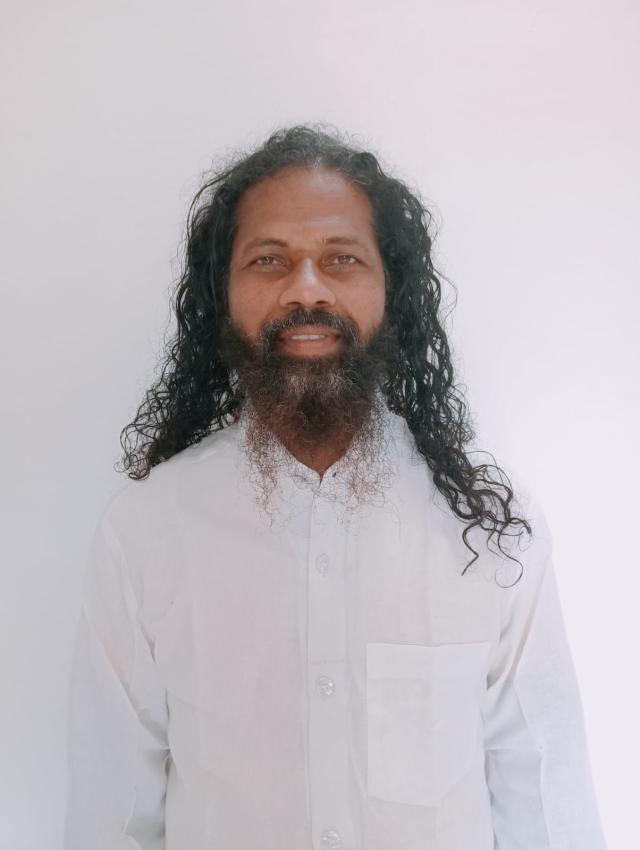
I have chosen my path of yoga and meditation, following my heart. I dived deeply into yoga and meditation, then started sharing my wisdom with my meditative presence. Every yoga teacher training or any retreat becomes fantastic and enjoyable to me and the participants. My inspiring teachings and company create a better understanding for participants and help them grow on the path of yoga and meditation. I graduated from yoga teacher training in 2004, and since 2006, I have taught yoga and meditation in India and Thailand.
Hier wirst du sein

100 Moo 7 Amaravati Wellness and Retreat Center, 50180 Chiang Mai, Thailand
-Comfortable accommodation at Amaravati Wellness and Retreat Center
%Amaravati Wellness and Retreat Center is an ideal place for holding and organizing a retreat. It offers an onsite vegetarian and vegan restaurant, Ayurvedic spa and wellness services, and an infinity pool.
They host any type of gathering and specialize in groups interested in hosting yoga, meditation, vipassana, massage, Tai chi, music, dance, or movement retreats.
The center's standard rooms are located on both the ground and second floor. Mountain view is available for all standard rooms.
-Standard queen bed with shower
%Experience the perfect blend of comfort and elegance with Amaravati's single-person accommodation. Their rooms were thoughtfully designed to provide a tranquil retreat for solo travelers.
-Room features:
*Spacious high-ceiling room: Enjoy the airy and expansive feel of Amaravati rooms with high ceilings that create an open and inviting atmosphere.
*Cozy bedroom: Rest peacefully in a well-appointed bedroom that promises comfort and relaxation.
*Private bathroom: Each room includes a private bathroom, ensuring complete convenience and privacy.
*Elegant wooden sofa: Unwind on a beautifully crafted wooden sofa, perfect for reading or simply enjoying some quiet time.
*Breathtaking mountain views: All the standard rooms offer stunning mountain views, allowing you to connect with nature right from your window.
-Location options:
*Ground floor: Easily accessible rooms that are ideal for those who prefer convenience
*Second Floor: For enjoying an elevated perspective and even more serene views
-Standard double bed with shower
%Discover the ideal setting for a comfortable and luxurious stay with Amaravati's double bed accommodation. Perfect for couples or friends traveling together, these rooms offer a harmonious blend of style and convenience.
-Room features:
*Spacious high-ceiling room: Enjoy the open and airy ambiance created by the room's high ceilings, adding an extra touch of elegance to your stay.
*Comfortable bedroom: Featuring a cozy double bed, the rooms were designed for restful nights and relaxed mornings.
*Private bathroom: Each room comes with a private bathroom, providing you with complete convenience and privacy.
*Elegant wooden sofa: Relax on a beautifully designed wooden sofa, perfect for lounging, reading, or enjoying a conversation.
*Breathtaking mountain views: Every standard room offers stunning mountain views, allowing you to soak in the natural beauty right from your window.
-Location options:
*Ground floor: Conveniently located for easy access, perfect for guests who prefer fewer stairs
*Second floor: For enjoying an elevated perspective with even more serene and expansive views