
Herbst Retreat: Finding Inner Calm and Seasonal Balance
The Essence of a Herbst Retreat
As the days grow shorter and the air turns crisp, nature sends us a subtle yet clear invitation to slow down. A Herbst retreat is more than just a getaway; it is a conscious decision to align your internal rhythm with the external world. In our fast-paced society, we often try to maintain the high-energy output of summer all year round. However, autumn is the season of harvest and letting go. It is a time to look back at what you have cultivated during the year and decide what you want to carry forward into the quiet months of winter.
Embracing the Slowing Pace
During a retreat in autumn, the focus shifts from outward expansion to inward reflection. You might notice that your body naturally craves more warmth and stillness. By acknowledging this shift, you reduce the internal friction caused by trying to stay constantly productive. Embracing the slowing pace means giving yourself permission to rest without guilt. It is about understanding that productivity follows cycles, and just as the trees shed their leaves to conserve energy, you too can shed the habits or obligations that no longer serve your well-being.
Preparing the Senses for Change
The sensory experience of autumn is unique. The smell of damp earth, the sound of wind through drying leaves, and the golden quality of the light all contribute to a grounding atmosphere. In a retreat setting, you learn to use these sensory inputs to anchor yourself in the present moment. Practicing mindfulness during this transition helps stabilize the nervous system, which can often feel agitated by the sudden loss of daylight. By intentionally engaging with the cooling environment, you build resilience and a sense of calm that carries you through the colder months.
Physical Benefits of Autumn Reflection
Our bodies react physically to the changing season. The drop in temperature and the decrease in sunlight can affect our immune system and our mood. A Herbst retreat provides a structured environment to address these changes proactively. By focusing on nourishment, gentle movement, and adequate rest, you provide your body with the tools it needs to stay healthy and balanced as the climate shifts.
Nutritional Support in Autumn
Nutrition plays a central role in how we feel during the autumn months. A thoughtful retreat emphasizes warm, grounding foods that provide sustained energy. Think of root vegetables, warming spices like ginger and cinnamon, and slow-cooked stews. These foods are not only comforting but also easier for the digestive system to process when the body is trying to conserve heat. Learning which ingredients support your constitution during this time allows you to maintain a steady level of vitality even when the weather is grey and cold outside.

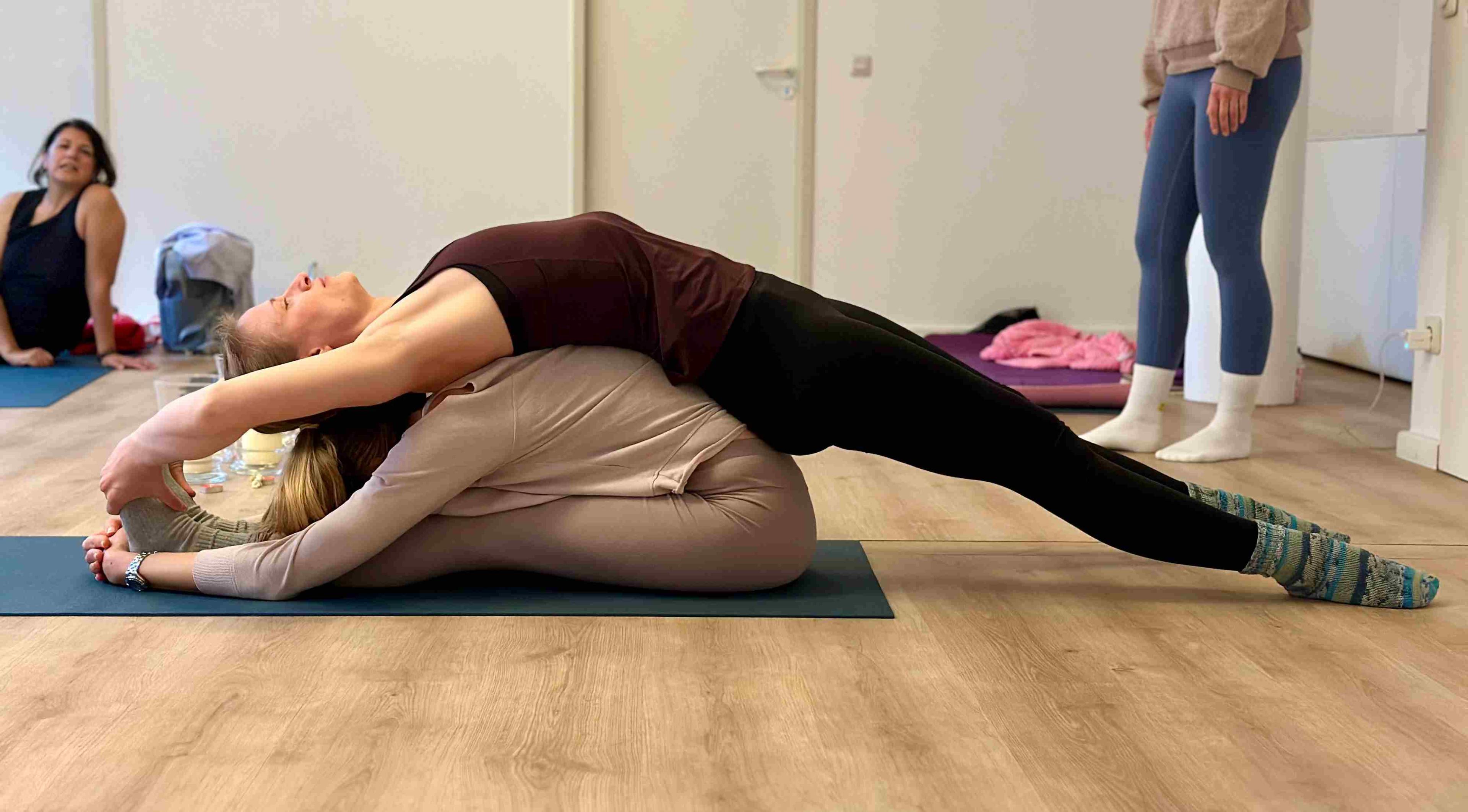
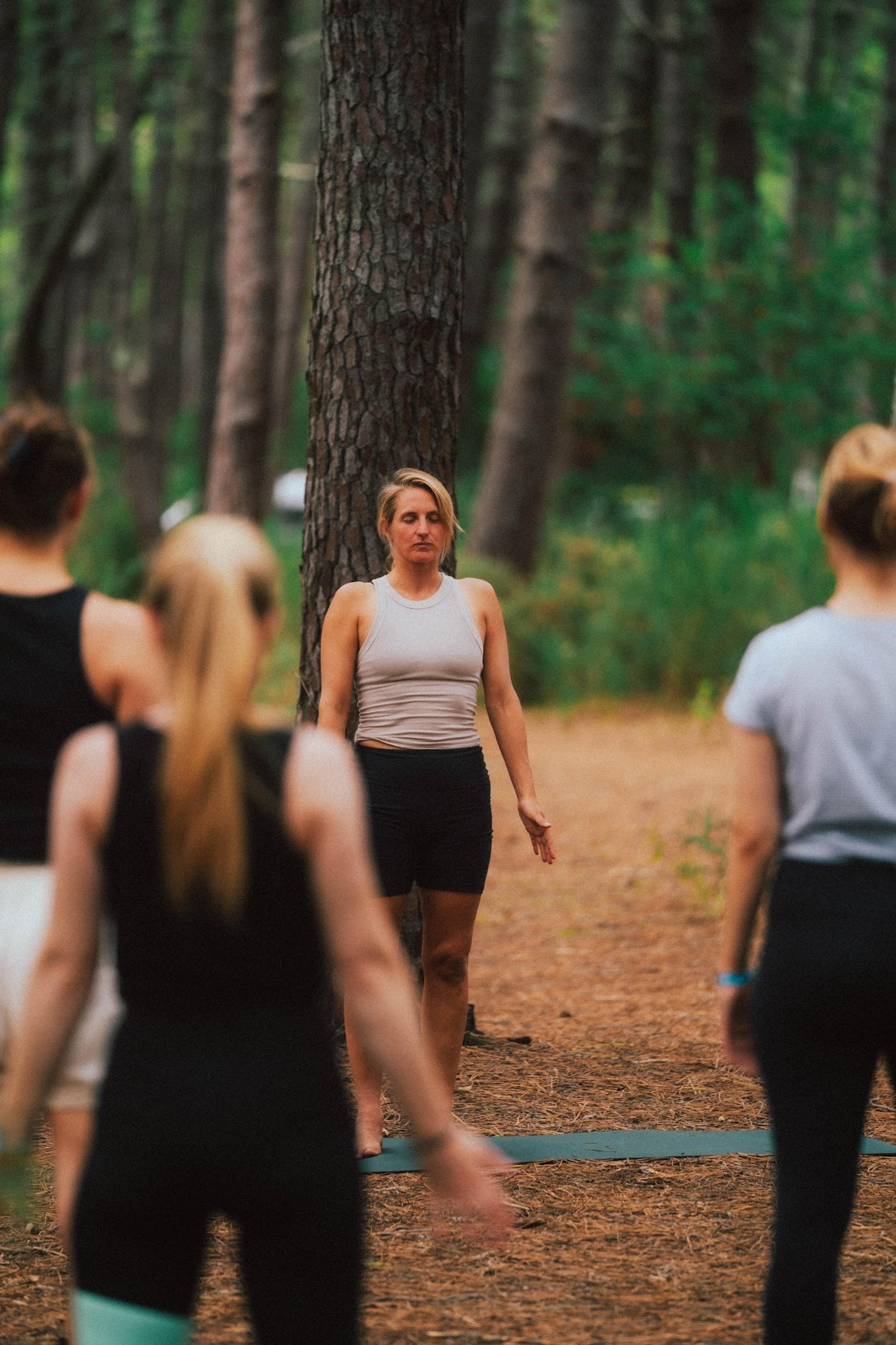
Restorative movement is a cornerstone of any autumn retreat. Unlike the vigorous activities of summer, autumn movement focuses on mobility, breath, and gentle strengthening. During this time of year, many people experience stiffness in their joints or a sense of sluggishness. Gentle yoga, slow walks, or intentional stretching can help keep the lymphatic system moving and the joints lubricated.
The goal is not to push your limits but to listen to what your body requires. When you move with awareness, you create a dialogue between your mind and your physical self. This practice fosters a sense of safety and comfort within your own skin, which is particularly important as we spend more time indoors. By prioritizing movement that feels restorative rather than depleting, you preserve your energy reserves for the upcoming winter season. This approach helps prevent the common 'autumn slump' and keeps your spirits high through the darkening days.
Creating Your Personal Autumn Routine
Transitions are easier when we have anchors in our daily life. One of the main goals of a Herbst retreat is to help you develop a sustainable routine that you can take back to your everyday environment. A routine provides a sense of predictability and safety, which is essential for mental clarity. When the world outside feels unpredictable or harsh, your daily rituals become a sanctuary of peace and stability.
Establishing Morning Honesty
How you start your day in autumn sets the tone for your internal climate. Instead of rushing into your to-do list, a retreat encourages a 'morning honesty' practice. This might involve five minutes of quiet sitting to check in with how you are feeling physically and emotionally. Are you tired? are you energized? By acknowledging your state without judgment, you can adjust your pace for the day accordingly. This simple act of self-awareness prevents the accumulation of stress and ensures that you are working with your energy, not against it.
Evening Rituals for Better Sleep
As the nights lengthen, our sleep patterns often change. A Herbst retreat emphasizes the importance of a 'winding down' period. This involves reducing exposure to blue light, engaging in calming activities like reading or gentle stretching, and perhaps reflecting on the day through journaling. These rituals signal to your brain that it is time to transition into a state of rest. Quality sleep is the foundation of a strong immune system and emotional resilience, making it a vital component of seasonal self-care.
Mental Clarity Through Seasonal Change
Autumn is often associated with a sense of melancholia, but it can also be a period of immense mental clarity. The clearing away of the 'noise' of summer allows for a deeper focus on what truly matters. During a retreat, you are given the space to examine your thoughts and priorities with a calm, objective perspective.
Walking Meditation in the Woods
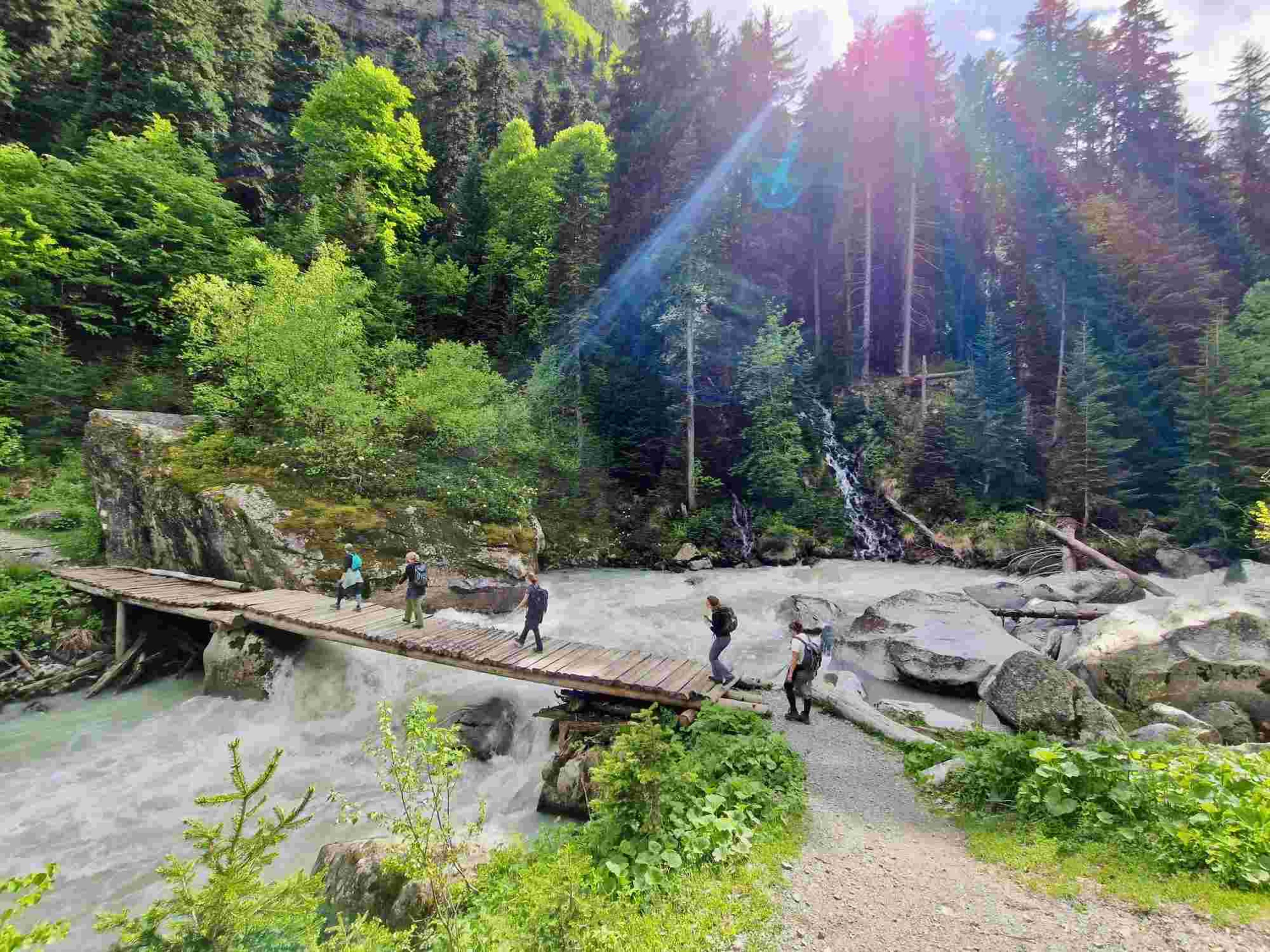
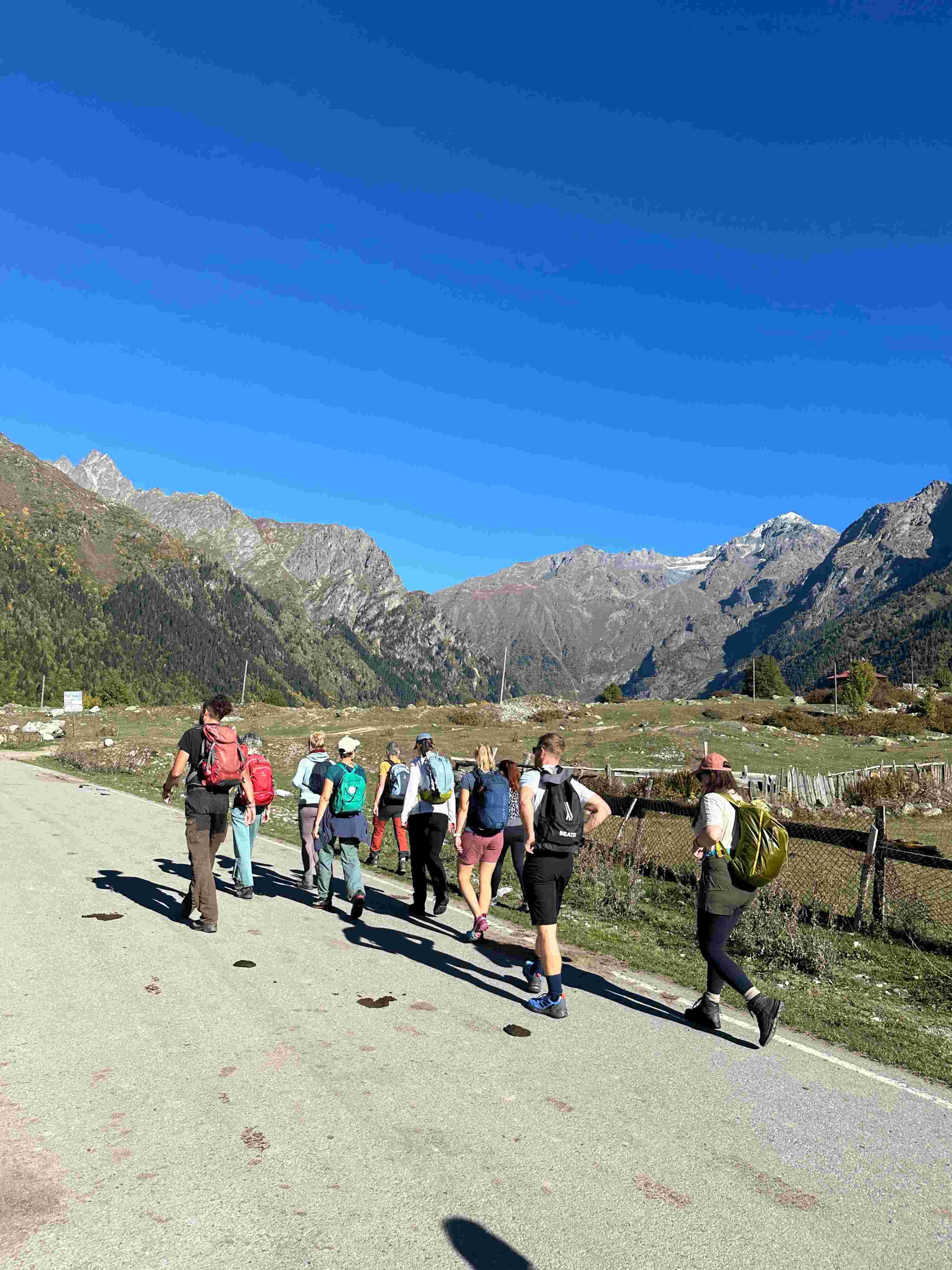
Nature is one of the most effective teachers during the autumn months. Walking meditation, particularly in a forest or park, allows you to observe the process of letting go firsthand. As you watch the leaves fall, you are reminded that endings are a natural and necessary part of growth. This practice helps to quiet the mind and reduce the tendency to overthink. The rhythmic pace of walking combined with focused breathing creates a meditative state that lowers cortisol levels and promotes a feeling of profound relaxation.
Journaling for Emotional Release
Writing is a powerful tool for processing the emotions that often surface during seasonal transitions. In a retreat setting, guided journaling prompts can help you navigate through feelings of change or uncertainty. By putting your thoughts on paper, you externalize them, making them easier to manage. This process of 'emotional decluttering' is just as important as physical rest. It allows you to enter the winter season with a light heart and a clear mind, free from the weight of unexpressed thoughts.
The Transition into Winter
A Herbst retreat serves as a bridge between the active energy of the past months and the deep stillness of the coming winter. It is an opportunity to gather your strength and find your center. By taking this time for yourself, you are not being selfish; you are ensuring that you have the capacity to show up fully in your life and for the people around you. The insights and habits gathered during these days will serve as a warm light through the darkest time of the year.
What is the primary goal of a Herbst retreat?
The primary goal is to align your internal rhythm with the changing season, focusing on slowing down, self-reflection, and preparing the body and mind for the winter months through mindfulness and restorative practices.
Who can benefit from an autumn retreat?
Anyone feeling overwhelmed by the fast pace of life or those who struggle with the transition to colder weather can benefit. It is particularly helpful for people seeking mental clarity and physical grounding.
Do I need prior experience in yoga or meditation?
No, most Herbst retreats are designed to be accessible to everyone. The focus is on simple, natural practices and gentle movement rather than advanced techniques.
What should I bring to such a retreat?
Comfortable, layered clothing is essential to stay warm. A journal, sturdy shoes for nature walks, and an open mind are also highly recommended to get the most out of the experience.
How long does a typical Herbst retreat last?
They can range from a single weekend to a full week. Even a two-day retreat can provide significant benefits in terms of stress reduction and seasonal adjustment.
How can I maintain the retreat feeling at home?
By integrating small rituals into your daily life, such as a morning check-in, eating seasonal warm foods, and taking short mindful walks in nature, you can sustain the benefits long after the retreat ends.