
Retreat experience for solo travelers – A journey back to yourself
Discover why a retreat experience is more than just a vacation for solo travelers—it is a conscious journey toward inner peace, healing and self-discovery.
Read more

A loving kindness retreat is a dedicated period of time where you step away from the demands of your daily life to focus on the heart's natural capacity for kindness and connection. Often referred to by the Pali word 'Metta,' loving kindness is a practice that involves intentionally cultivating a friendly, warm, and open-hearted attitude toward yourself and others. Unlike some forms of meditation that focus strictly on focus or breath, a loving kindness retreat emphasizes the emotional quality of your mind. In a world that often feels fast-paced or critical, these retreats offer a gentle space to soften your inner dialogue and reconnect with a sense of genuine goodwill.
At the center of any loving kindness retreat is the practice of Metta. This ancient technique involves the silent repetition of specific phrases aimed at wishing yourself and others well. Phrases like 'May I be happy' or 'May I be at peace' are not meant as magical incantations, but rather as anchors that help steer the mind away from judgment and toward a state of benevolence. During a retreat, you learn that these phrases act as seeds. By repeating them in a quiet, supportive environment, you are watering those seeds of kindness until they become a more natural part of your inner landscape. This practice helps to bridge the gap between our intellectual desire to be kind and actually feeling that kindness in our hearts.
Attending a loving kindness retreat offers more than just a few days of relaxation; it provides tools for long-term emotional wellbeing. Research has shown that regular Metta practice can significantly increase positive emotions and decrease symptoms of anxiety and depression. By stepping into a retreat environment, you allow these benefits to deepen because you are removed from the usual triggers that cause stress. You aren't just reading about compassion; you are spending hours every day embodying it. This immersion allows the nervous system to settle, moving from a state of 'fight or flight' into one of 'rest and digest,' where healing and emotional growth can actually occur.
One of the most challenging yet rewarding aspects of a loving kindness retreat is learning to be your own friend. Many of us are far harder on ourselves than we would ever be on a stranger. In the silence of a retreat, you may notice the harshness of your inner critic. The practice of Metta encourages you to meet that critic with a sense of warmth rather than further judgment. By directing kindness toward yourself—including your flaws and mistakes—you develop a stable sense of self-worth that doesn't depend on external achievements. This internal shift is often described by participants as a profound feeling of 'coming home' to oneself.

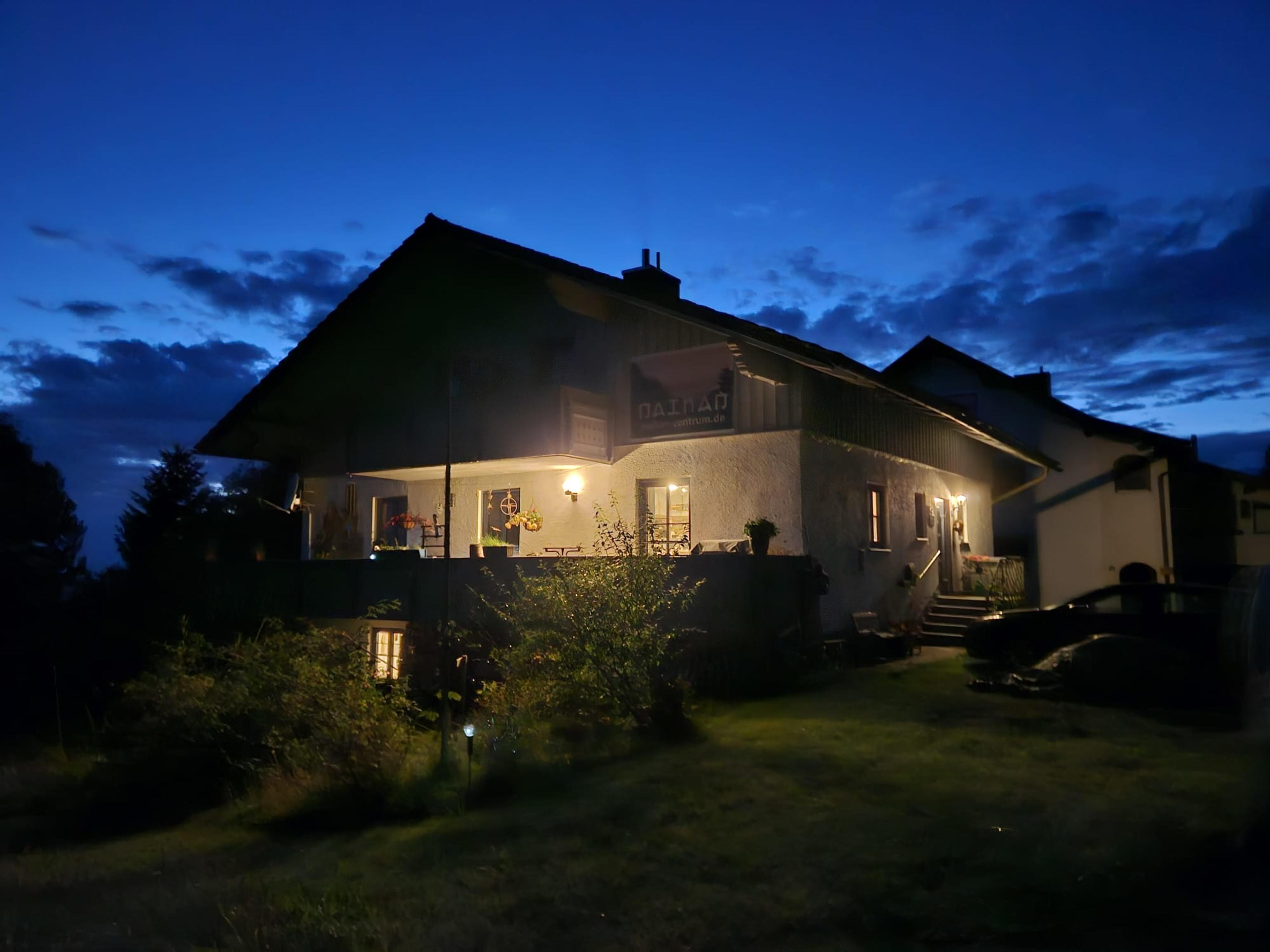
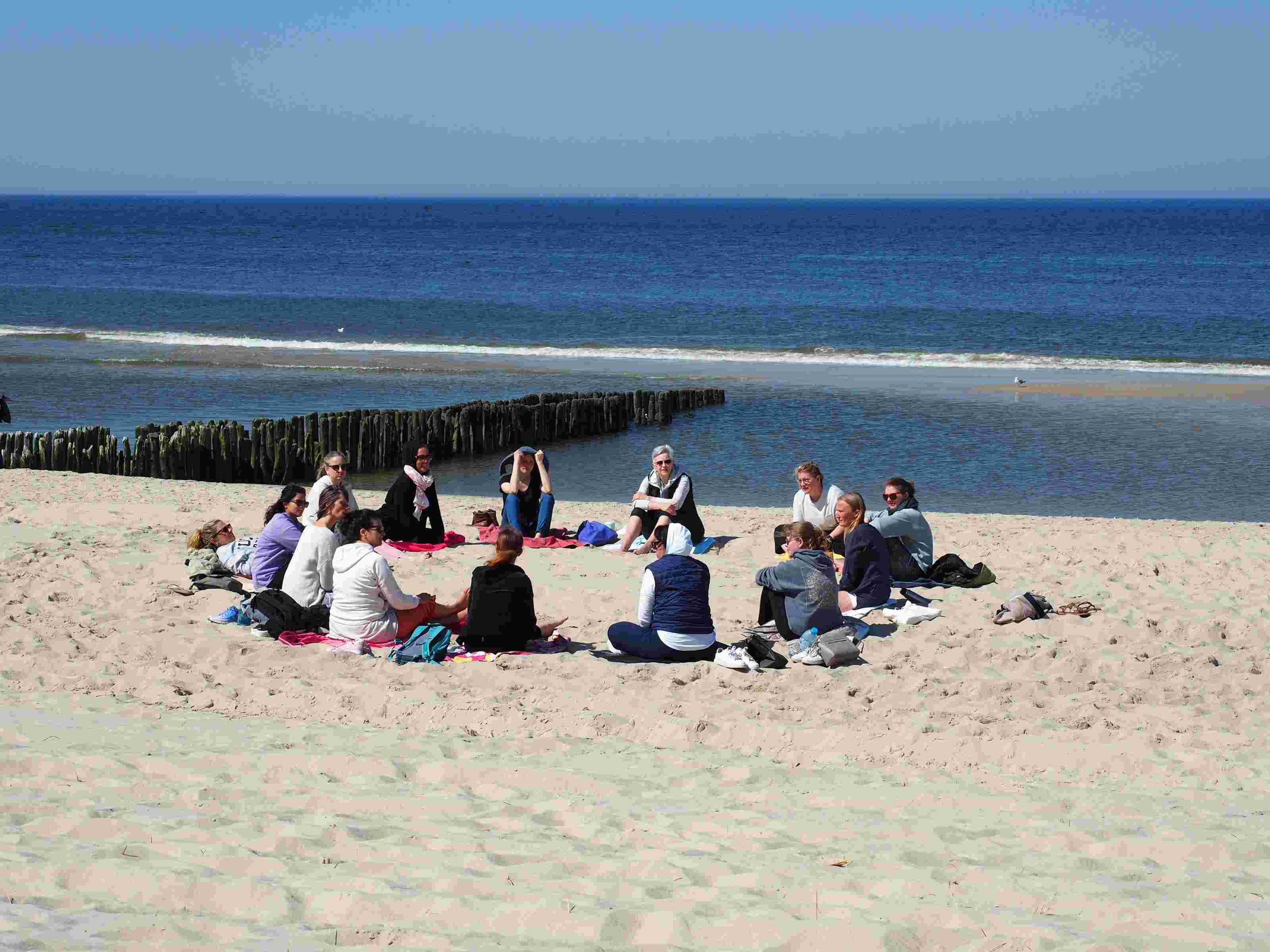
The environment of a loving kindness retreat is specifically designed to support your journey inward. Usually set in quiet, natural surroundings, the physical space acts as a container for your practice. When you are surrounded by trees, fresh air, and the quiet sounds of nature, it becomes much easier to listen to your own heart. In this block, you see how the simplicity of the surroundings reflects the simplicity of the practice itself. You don't need complex equipment or advanced knowledge to begin. All that is required is your presence and a willingness to explore the sensations of kindness. The right-hand image shows how a peaceful setting can facilitate the transition from a busy, analytical mind to a more spacious and quiet emotional state. This harmony between the external environment and the internal work is what makes a retreat so effective for those seeking deep rest and clarity.
Stepping into your first loving kindness retreat might feel a little intimidating if you don't know what to expect. Most retreats are held in silence, but this isn't a restrictive silence; it is a supportive one. Without the need for small talk or social performance, your energy can turn inward. You will typically find a group of like-minded individuals all working toward the same goal. Even though you may not speak, there is often a strong sense of shared humanity and mutual support. The teachers provide guidance every step of the way, ensuring that you feel safe as you navigate your emotions and the silence.
As you deepen your practice during the retreat, you will likely notice a change in how you handle difficult emotions. Loving kindness isn't about ignoring pain or pretending everything is perfect. Rather, it provides a soft place for difficult emotions to land. When you encounter frustration or sadness during a retreat, the practice teaches you to wrap those feelings in a layer of kindness. This builds emotional resilience. Instead of being overwhelmed by stress, you learn that you have the internal resources to remain calm and steady. This shift is a practical tool that you will carry back into your professional and personal life long after the retreat has ended.
While the initial focus of a loving kindness retreat is often inward, the practice naturally expands outward. You will spend time directing well-wishes to mentors, friends, neutral people, and eventually even to those with whom you have conflicts. This process helps to break down the barriers of 'us versus them.' By the end of the retreat, many participants find that their relationships become more harmonious. You might find yourself less likely to engage in petty arguments and more likely to listen with genuine interest. The empathy you cultivate on the meditation cushion translates directly into how you interact with your family, colleagues, and community.
A typical day at a loving kindness retreat is structured to help you maintain a steady state of mindfulness. Usually, the day begins early, perhaps with a gentle bell to wake the residents. The schedule is a balance of seated meditation, walking meditation, and rest. This rhythm prevents the mind from becoming too tired and keeps the body active. Meals are often eaten in silence, allowing you to fully appreciate the nourishment and the effort that went into preparing the food. This repetitive structure provides a sense of safety, knowing exactly what to do and when to do it, which further calms the nervous system.
The role of silence in a loving kindness retreat cannot be overstated. When we stop talking, we stop projecting an image of ourselves. This allows for an honest reflection on our true feelings. In the silence, you might realize how much energy you usually spend on social interactions. By resting this part of your brain, you free up space for deep insights. Reflection periods are often built into the schedule, where you might be encouraged to contemplate a short teaching or simply sit with your thoughts. This isn't a time for over-analysis, but for letting insights bubble up naturally from a quiet mind.
Several times a day, the group will gather in a meditation hall for guided sessions. During these times, the teacher will lead you through the phases of Metta. They might offer specific phrases or visualizations to help clarify the intent of the meditation. For beginners, these guided sessions are invaluable as they provide a roadmap for the mind to follow. Even for experienced meditators, the energy of a group sitting together in silence and kindness is a powerful experience. It serves as a reminder that we are not alone in our struggles or our aspirations for a more compassionate life.
The true measure of a loving kindness retreat is not just how you feel while you are there, but how you live your life once you return home. Integration is a key part of the process. On the final days of the retreat, teachers often focus on how to maintain the practice in a busy world. You might learn short 'micro-meditations' that can be done while waiting in line or sitting in traffic. The goal is to make kindness a habit rather than a special event. By consistently returning to the phrases of Metta, you keep the heart open even when circumstances are challenging.
Walking meditation is a beautiful way to practice Metta while being physically active. In a loving kindness retreat, you are taught to synchronize your steps with your well-wishes. For example, you might silently say a phrase with each step. This practice grounds the emotional work in the physical body. It teaches you that mindfulness doesn't have to be a static, seated activity. You can be kind while you move, while you work, and while you walk through the world. This makes the practice highly portable and adaptable to the realities of a modern, active life.
One of the most important lessons from a retreat is the power of simple repetition. The mind is shaped by what it does frequently. If we spend our time in judgment, we become experts at judging. If we spend our time in loving kindness, we become experts at kindness. During the retreat, you repeat the phrases of Metta thousands of times. This repetition begins to re-wire the neural pathways of the brain, making kindness a more accessible and default response. It is a practical, almost mechanical way to change the quality of your mind for the better.
When looking for a loving kindness retreat, it is important to find one that aligns with your needs and level of experience. Some retreats are more intensive and focused on traditional Buddhist teachings, while others are more secular and focused on psychological wellbeing. Consider the duration—first-timers might prefer a weekend retreat, whereas those looking for deeper change might opt for a week-long or ten-day experience. Look for teachers who have a grounded, clear, and compassionate approach. The right retreat will feel like a safe harbor where you can explores your inner world without pressure or expectation.
No, most loving kindness retreats are open to all levels. Beginners are often given extra guidance on the basic techniques of Metta meditation, while experienced meditators can benefit from the deep immersion.
While it has its roots in Buddhist tradition, the practice of loving kindness is universal. You do not need to be Buddhist or have any specific religious beliefs to benefit from the cultivation of goodwill and compassion.
Retreats can range from a single weekend to ten days or longer. For those new to the practice, a 3-day weekend retreat is a great way to start and see how the silence and structure feel.
This is very common. Metta is a practice of intention, not necessarily an immediate feeling. If you don't feel warm or loving right away, you simply stick with the phrases. The feeling often comes naturally over time as you soften your resistance.
In many retreats, silence is observed for the majority of the time. This allows you to focus on your internal experience. However, there are usually scheduled times to talk with the teacher or participate in small group Q&A sessions.
Typically, you should bring comfortable, loose-fitting clothing, a refillable water bottle, and any personal items you need for comfort. Most centers provide meditation cushions and mats, but you can usually bring your own if you prefer.
Discover why a retreat experience is more than just a vacation for solo travelers—it is a conscious journey toward inner peace, healing and self-discovery.

Say “holy yes” to yourself! Discover how to let go of old patterns, learn self-love and shape your life with ease.

Hormones influence the body, mind and heart. Therapist Ines Rieger demonstrates how hormonal balance and heart healing can lead to renewed vitality.