
Kneipp Retreat Naturheilkunde: Finding Balance Through Traditional Wisdom
Discover how a Kneipp retreat combines water therapy, nutrition, and movement to restore your inner balance. A practical guide to traditional naturopathy.
Read more

In our modern world, we often find ourselves disconnected from the natural rhythms of life. A TCM retreat, centered on Traditional Chinese Medicine, offers a sanctuary where you can pause, breathe, and realign your physical and mental health. This ancient system of healing is not just about treating symptoms; it is a profound philosophy that views the human body as a mirror of the universe. When you step into a retreat environment, you are choosing to look inward and understand the subtle signals your body has been sending you.
Traditional Chinese Medicine operates on the principle that everything is interconnected. Your emotions, your digestion, your sleep patterns, and your energy levels are all part of a single, cohesive system. During a TCM retreat, practitioners look at the whole person. Instead of simply focusing on a headache or back pain, they explore the underlying root causes. This holistic perspective allows for a much deeper level of healing that feels natural and grounded. It is a journey toward finding center, where the noise of the outside world fades into the background, and you can focus on your own vitality.
At the heart of all TCM practices is the concept of 'Qi'—the vital life energy that flows through all living things. In a healthy body, Qi moves freely through pathways called meridians. However, stress, poor diet, and emotional strain can cause this energy to stagnate or deplete, leading to a feeling of being 'out of balance.' A retreat provides the time and space to unblock these pathways. Through gentle movement, specific treatments, and quiet contemplation, you learn to sense your own energy and understand how to nourish it. It is about moving away from depletion and toward a state of abundance and flow.
The Five Elements (Wood, Fire, Earth, Metal, and Water) are fundamental building blocks in TCM used to categorize different organ systems, emotions, and seasons. During your retreat, you will likely discover which elements are most dominant or deficient in your current constitution. This framework provides a clear map for understanding why you feel the way you do and how to return to a state of harmony.
The Wood element represents the energy of spring—a time of expansion, flexibility, and forward movement. In the body, it is associated with the Liver and Gallbladder. When your Wood energy is balanced, you feel clear-headed and capable of making decisions. During a retreat, special attention is often paid to releasing tension held in the muscles and tendons, which are the tissues governed by Wood. This helps to transform feelings of frustration or stagnation into creative action and gentle growth.
Associated with the Heart and the heat of summer, the Fire element governs our ability to experience joy and form meaningful connections with others. It is the seat of our 'Shen' or spirit. On a TCM retreat, the focus on Fire involves calming the mind and cooling any internal heat that might lead to anxiety or insomnia. By fostering a sense of peace, you allow your inner light to burn steadily rather than flickering uncontrollably under the pressure of daily stress.

The Five Elements theory continues with Earth, Metal, and Water, each playing a critical role in your overall health. The Earth element is the center of the system, representing the Spleen and Stomach. It is about how we digest not just food, but also information and emotions. Stability, grounding, and nourishment are the key themes here. Next comes Metal, associated with the Lungs and the Large Intestine. It governs the process of taking in the new and letting go of the old. It is the breath and our boundaries. Finally, Water represents the Kidneys and Bladder, holding our deepest reserves of energy and our ancestral wisdom. In a retreat setting, these elements are addressed through specific meals, herbal teas, and meditative practices. By balancing these five forces, you create a foundation for health that is both flexible and resilient. The goal is to feel solid in your body while remaining open to the transition of the seasons and the phases of life. This image represents the peaceful atmosphere of a treatment room where such balance is restored.
The Earth element is arguably the most important for those feeling ungrounded. It relates to the late summer and the ability to nourish oneself. In TCM, the Spleen is seen as the transformation center where food becomes energy. If you often feel overwhelmed or suffer from digestive issues, your retreat will focus on 'Earth' practices. This includes eating warm, cooked meals that are easy to digest and practicing mindfulness to stop the cycle of constant worrying. Stability starts from the inside, beginning with the way we fuel our bodies.
As the air cools in autumn, the Metal element takes precedence. It is about refinement and clarity. In your body, the Lungs take in pure Qi from the air, while the Large Intestine eliminates what is no longer needed. A TCM retreat often incorporates breathing exercises to strengthen the Lungs and emotional work to help you let go of grief or old habits. Finding clarity in the Metal phase allows you to focus on what truly matters, discarding the clutter that occupies your mind and physical space.
The Water element is linked to winter, representing the most 'Yin' or quiet aspect of our existence. It resides in the Kidneys, which are considered the 'root of life' in TCM. A decline in Water energy often manifests as extreme fatigue or fear. During a retreat, this element is nourished through deep rest, warmth, and gentle movements like Qi Gong. It is a time for introspection, allowing your reserves to replenish so you have the strength to begin a new cycle when the time is right.
While the philosophy of TCM is deep, the actual experience of a retreat is very practical and tactile. You aren't just reading about health; you are experiencing it through your senses. The pillars of a TCM-based stay usually include herbal medicine, acupuncture, and a specific approach to nourishment. These tools work together to create a synergistic effect that is much more powerful than any single treatment alone.
Herbal decoctions and teas are a cornerstone of traditional healing. Unlike Western supplements that often isolate a single active ingredient, TCM herbs are prescribed in complex formulas designed to balance each other. During your retreat, a practitioner may prepare a specific blend of roots, barks, and flowers tailored to your unique needs. These herbs help to regulate the internal climate of your body—clearing heat, warming the cold, or drying dampness. It is a natural way to support the organ systems from the inside out.
Acupuncture is perhaps the most well-known aspect of TCM. By inserting very fine needles into specific points on the body, a practitioner can influence the flow of Qi. In the quiet setting of a retreat, acupuncture treatments become a profound meditative experience. As the needles stimulate the nervous system, many people feel a deep sense of release. It is not uncommon to fall into a restorative sleep during a session. This practice helps to reset the 'fight or flight' response that many of us carry in our daily lives, teaching the body how to enter a state of deep, healing relaxation.
One of the most unique aspects of a TCM retreat is the diagnostic process. Rather than relying solely on blood tests, a TCM practitioner uses observation and touch. By looking at the tongue and feeling the pulse, they can determine the state of your internal organs and the quality of your blood and Qi. This immediate and personal diagnostic method ensures that your retreat program is entirely unique to you. No two people receive the same treatment because no two people have the same internal landscape.
Nutrition in TCM is not about calorie counting; it is about the energetic properties of food. You will learn that certain foods are cooling, while others are warming. Depending on your constitution, you might be advised to avoid raw salads in favor of steamed vegetables and soups. The retreat kitchen becomes a laboratory of health, where ingredients are chosen for their ability to heal. You will discover how eating in harmony with the seasons can significantly improve your energy levels and digestion, providing a simple yet effective tool you can take home with you.
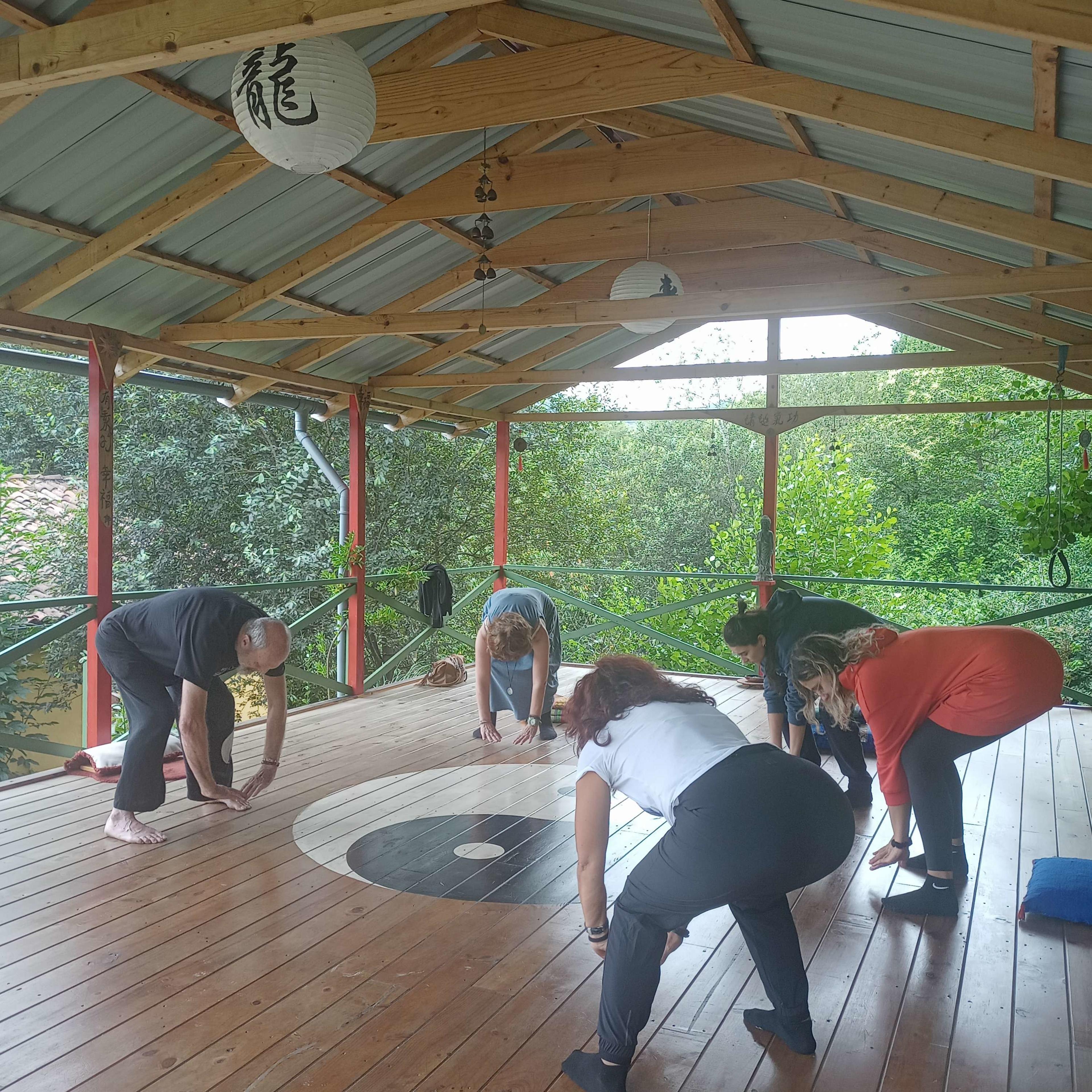
A TCM retreat is not a passive experience where things are only 'done' to you. It is an invitation to move and breathe mindfully. Practices like Qi Gong and Tai Chi are often central to the daily schedule. These slow, deliberate movements are designed to move Qi throughout the body without causing the stress or exhaustion that high-impact exercise can sometimes trigger. It is about building strength through softness.
The true value of a TCM retreat is not just how you feel while you are there, but how you feel when you return home. The goal is to provide you with a 'toolbox' of lifestyle adjustments. You learn how to recognize the signs of imbalance before they become illnesses. You gain an understanding of how sleep, food, and emotions affect your well-being. By integrating these ancient practices into your modern life, you create a sustainable path toward long-term health. It is a slow, steady transformation that respects your body’s natural pace.
A TCM retreat is a guided stay focused on Traditional Chinese Medicine principles. It combines diagnosis, acupuncture, herbal therapy, specific nutrition, and movement like Qi Gong to restore balance to your body and mind.
No, you don't need any prior knowledge. Most retreats are designed to introduce you to the concepts in a practical, easy-to-understand way. The practitioners will guide you through every step.
While even a weekend can be beneficial, most practitioners recommend a stay of 7 to 14 days. This gives your body enough time to respond to the treatments and for the nutritional changes to take effect.
Not necessarily. TCM nutrition is based on individual needs. While many retreats focus on plant-based meals, some may include small amounts of high-quality animal products if they are deemed necessary for your specific constitution.
Yes, TCM is particularly effective for stress-related issues. By regulating the nervous system through acupuncture and nourishing the 'Kidney Qi' (our energy reserves), it helps the body recover from exhaustion.
Yes. A core feature of TCM is that every person is treated as an individual. After an initial pulse and tongue diagnosis, your treatments, herbs, and dietary recommendations will be tailored specifically to you.