The Essence of a Kneipp Retreat Naturheilkunde
In our fast-paced digital world, the desire for simplicity and grounded health practices is growing. A Kneipp retreat based on traditional naturheilkunde (naturopathy) offers a path back to the basics of human well-being. This approach is not about complex machines or expensive supplements; instead, it focuses on the healing power of nature and the inherent wisdom of your own body. When you embark on such a journey, you are stepping into a tradition that has supported thousands of people in finding their physical and mental equilibrium.
Understanding the Roots of Kneipp’s Philosophy
Sebastian Kneipp, a 19th-century priest and natural healer, developed his system after curing himself of a severe illness using the cold waters of the Danube. His philosophy is built on the belief that the body possesses an incredible capacity for self-healing if provided with the right impulses. During a retreat, you learn that health is not a static state but a dynamic process. By attending to the five pillars he established, you are not just treating symptoms; you are nurturing the foundation of your life force. It is a humble, respectful approach to the human form that values prevention as much as recovery.
Why Modern Life Needs Traditional Naturopathy
Today, many of us suffer from 'diseases of civilization'—stress, lack of movement, and processed diets. The Kneipp method provides a direct counter-balance to these modern stressors. By reintroducing natural stimuli like temperature changes and herbal remedies, a Kneipp retreat wakes up the nervous system. It invites you to slow down and listen to the subtle signals your body sends. In the quietude of a retreat setting, the noise of the outside world fades, allowing you to reconnect with the rhythm of nature, which is inherently also your own rhythm.
The Five Pillars: A Comprehensive Path to Wellness
The beauty of the Kneipp system lies in its holistic nature. It doesn't look at the heart, the lungs, or the mind in isolation. Instead, it recognizes that everything is interconnected. The 'Five Pillars'—Water, Plants, Exercise, Nutrition, and Balance—work together like the strings of an instrument. If one is out of tune, the whole melody suffers. During your stay, you will explore how each pillar supports the others to create a resilient and vibrant version of yourself.
Hydrotherapy: More Than Just Cold Water
Hydrotherapy is perhaps the most famous aspect of a Kneipp retreat. It involves the targeted application of water at varying temperatures to stimulate the blood flow and the immune system. While 'water treading' (Wassertreten) is a well-known image, the practice includes over 120 different applications, such as wraps, casts, and baths. These treatments act as a soft training for your vascular system, teaching your body to react efficiently to external stimuli. It is a practice of mindfulness in motion, as you feel the crisp clarity of the water against your skin.
Water as a Source of Strength and Renewal
Water is the element of life, and in the context of a Kneipp retreat, it serves as a powerful messenger. It carries temperature and pressure to the skin, which is our largest sensory organ. This interaction triggers reactions in the internal organs through the nervous system. It is a form of communication between the environment and your inner biology. You will find that after a short cold affusion, your body responds with a warm glow, as the circulation is invigorated and the spirit is lifted.
Phytotherapy: Empowering the Body with Plants
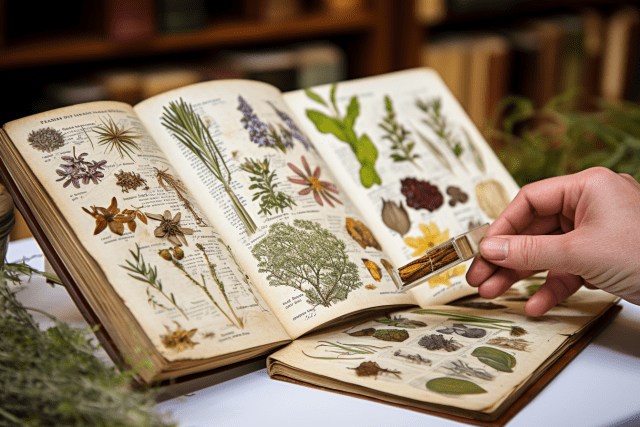
The second pillar, Phytotherapy, utilizes the concentrated power of herbs. Sebastian Kneipp was a firm believer that 'for every illness, a herb has grown.' In a retreat, you will learn how to use tea blends, tinctures, and ointments made from local plants like arnica, rosemary, and lavender. These are not 'magic cures' but supportive allies that help the body's natural functions. For example, bitter herbs can aid digestion, while lemon balm can soothe a restless mind. Learning about these plants empowers you to take charge of your health in a very practical and grounded way.
The Role of Nutrition and Herbs in Daily Life
What we consume becomes the building blocks of our cells. Therefore, a Kneipp retreat emphasizes a diet that is as natural and unprocessed as possible. The focus here is not on restriction or dieting, but on 'Lebensfreude'—the joy of living—through nourishment. It is about understanding what your body needs to function at its best, depending on the season and your personal constitution.
Balanced Nutrition: Eating for Vitality
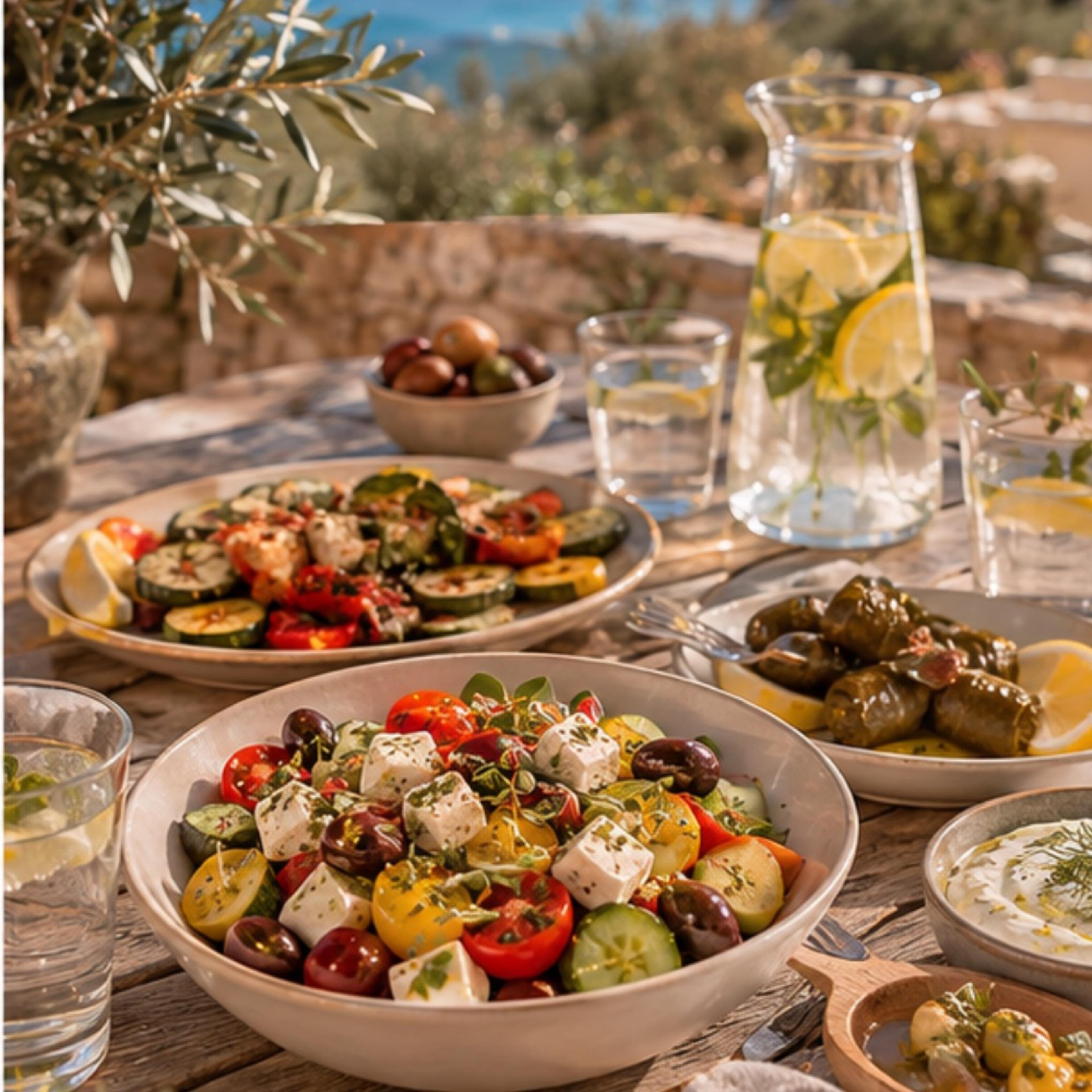
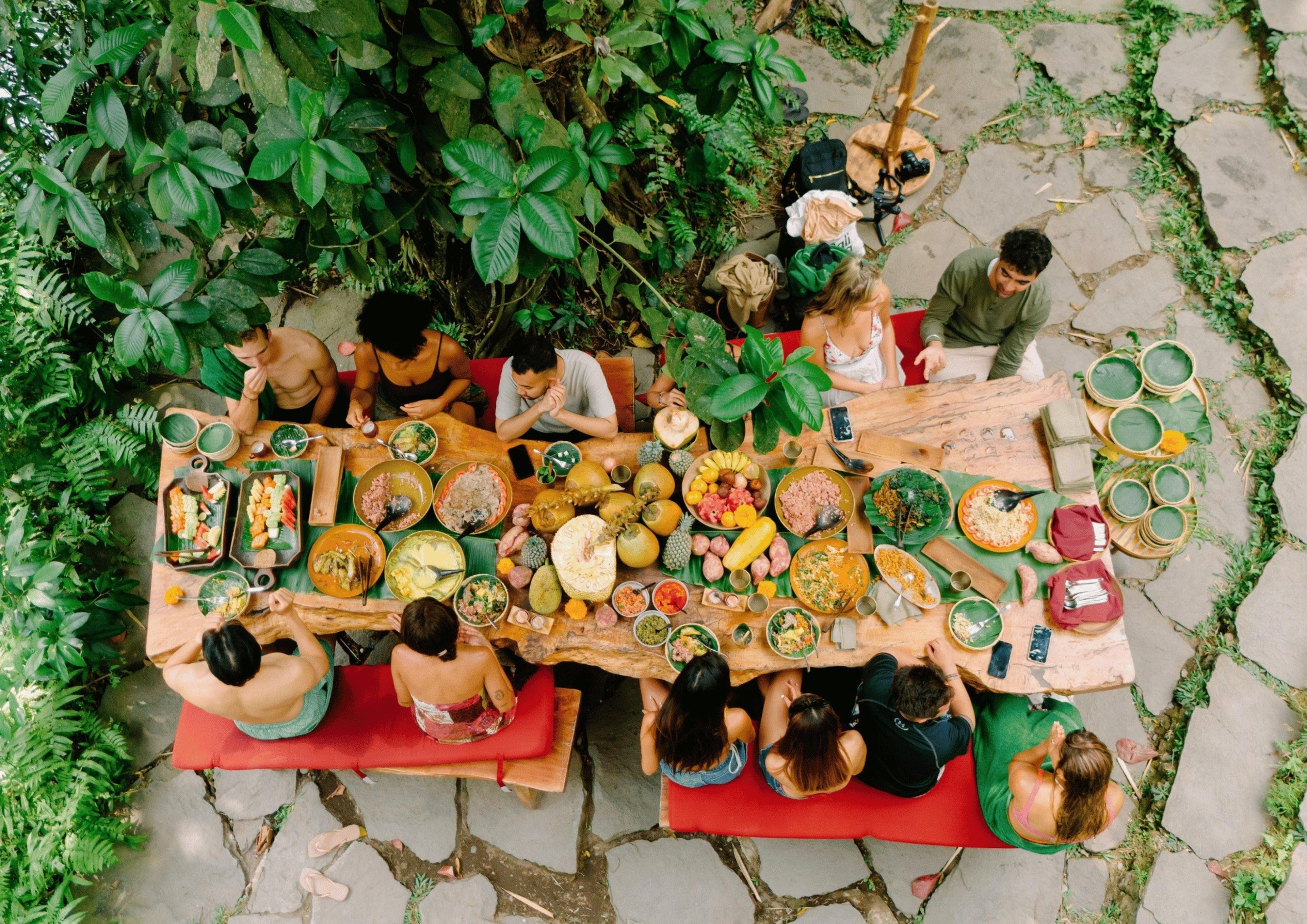
In the spirit of Kneipp, nutrition should be simple, wholesome, and mostly plant-based. During a retreat, you will often enjoy meals prepared with fresh, regional ingredients. The emphasis is on high-quality oils, whole grains, and plenty of vegetables. You learn the importance of eating mindfully and slowly, allowing your digestive system to work without stress. This pillar teaches you that how you eat is often as important as what you eat. By choosing foods that are rich in nutrients and free from artificial additives, you provide your body with the clean fuel it needs to sustain your energy throughout the day.
Inner Balance and Physical Activity
True health is not just the absence of disease; it is the presence of harmony between the body and soul. The remaining two pillars, Exercise and Order of Life, focus on this delicate balance. They remind us that we are physical beings who need to move, but also emotional beings who need structure and meaning.
Kinesiology: Finding Joy in Natural Movement
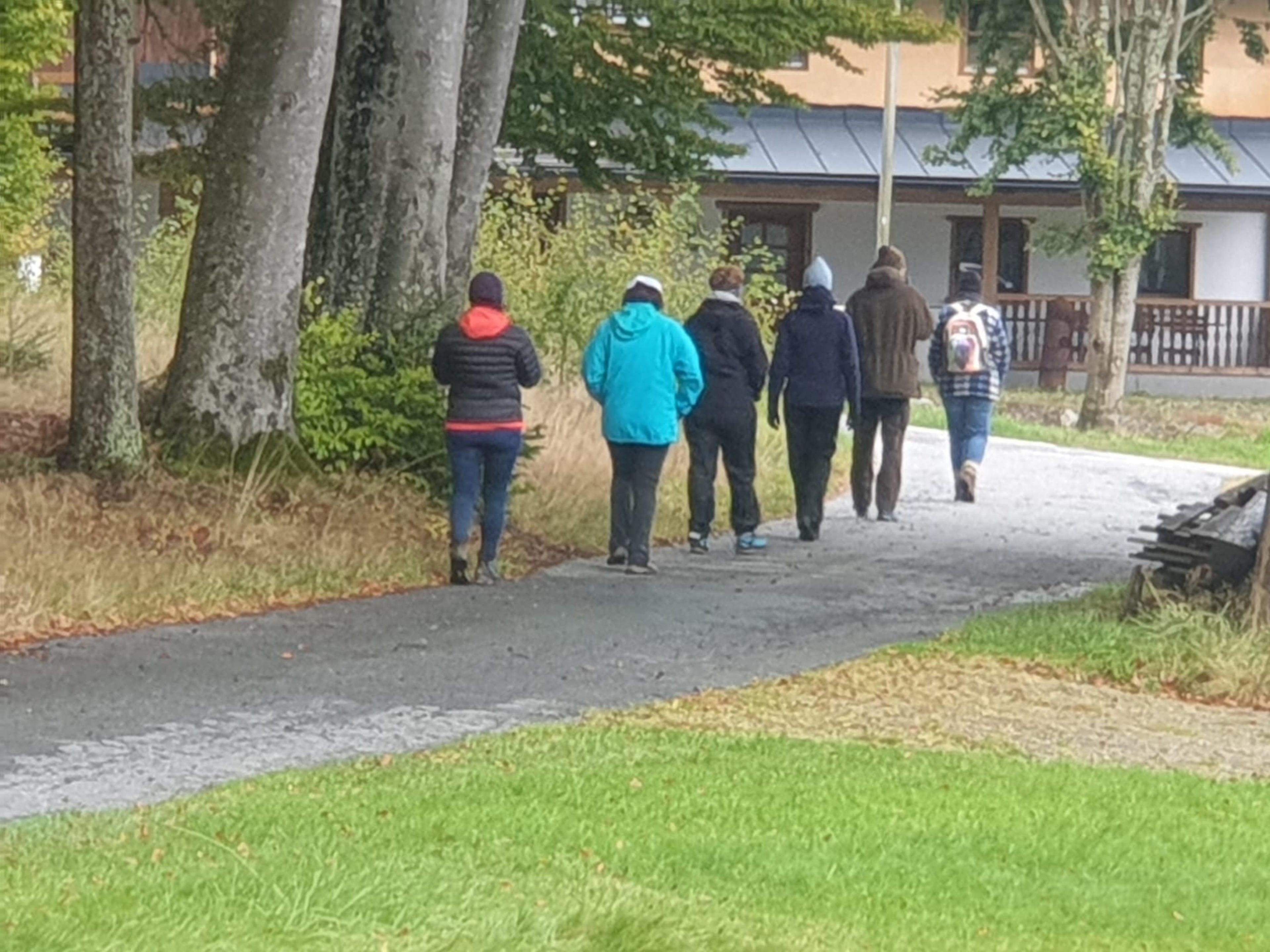
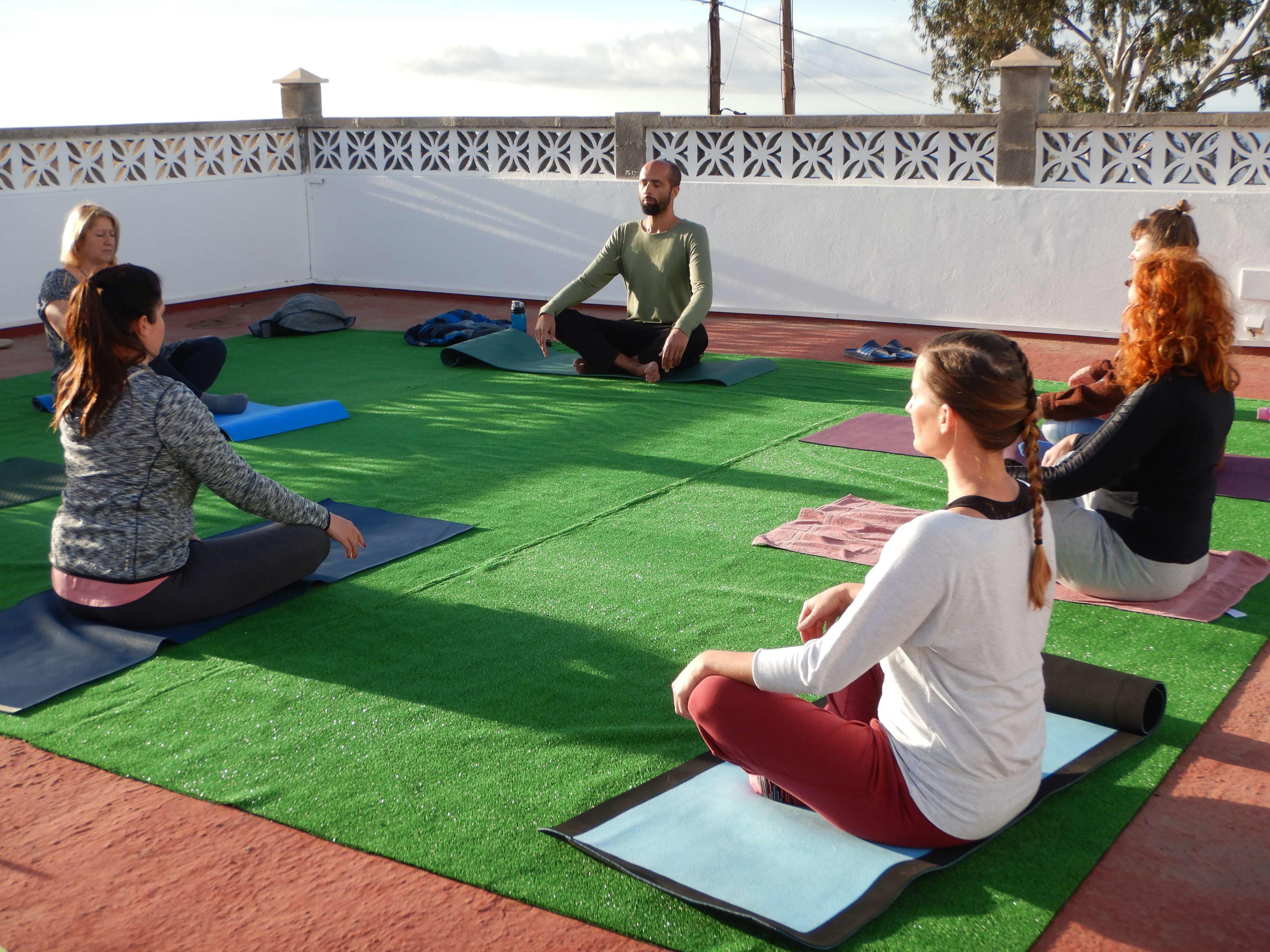
Movement in a Kneipp retreat is never about 'working out' in a competitive sense. Instead, it is about 'Kinesiology'—the joy of moving the body in ways that feel natural. This might include guided walks, gentle stretching, or swimming. The goal is to improve stamina and flexibility without exhausting the system. When you move in nature, you also engage your senses, which helps to ground you in the present moment. Regular, moderate activity strengthens the heart and improves the mood, acting as a natural antidepressant and a vital component of long-term health.
Order of Life: The Psychology of Inner Peace
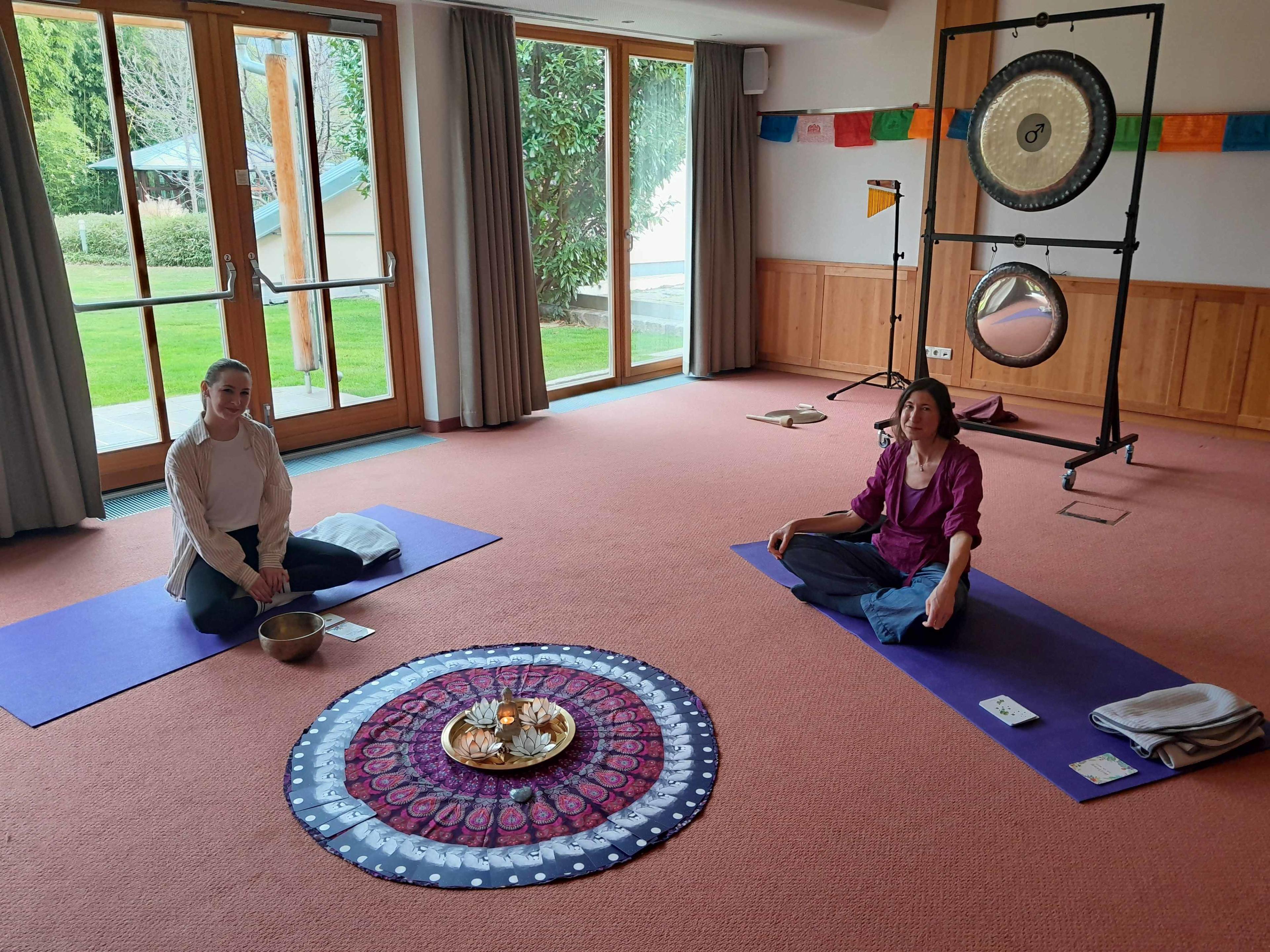
The 'Order of Life' (Lebensordnung) is perhaps the most profound pillar. It refers to the structural principle of a healthy lifestyle. Kneipp recognized that a disorganized life leads to stress and illness. This pillar encourages you to find a rhythm between tension and relaxation, between work and rest. In a retreat, you practice mindfulness and relaxation techniques that help you identify what is truly important. It is about creating a life that reflects your values and allows for moments of silence and reflection. When your inner house is in order, your physical body finds it much easier to remain healthy.
How to Integrate Kneipp Principles at Home
One of the greatest benefits of a Kneipp retreat is that it provides you with tools you can use long after you have returned home. The practices are designed to be accessible and affordable. You don't need a spa to enjoy the benefits of hydrotherapy or herbal teas; you only need a bit of knowledge and the willingness to make them part of your routine. This transition from the retreat back to daily life is where the real transformation takes place.
Practical Water Applications for Your Morning Routine
You can start your day with a 'Kneipp espresso'—a cold arm bath. Simply fill your sink with cold water and submerge your forearms until you feel a strong cold stimulus (usually about 30 seconds). This wakes up the mind more effectively and gently than caffeine. Alternatively, finishing your morning shower with a cold spray on your legs can strengthen your veins and boost your immune system over time. These small, consistent actions build a foundation of resilience. By bringing the wisdom of the retreat into your home, you ensure that the sense of calm and vitality you discovered stays with you.