Incorporate the new habits and rituals you have acquired into your everyday life.
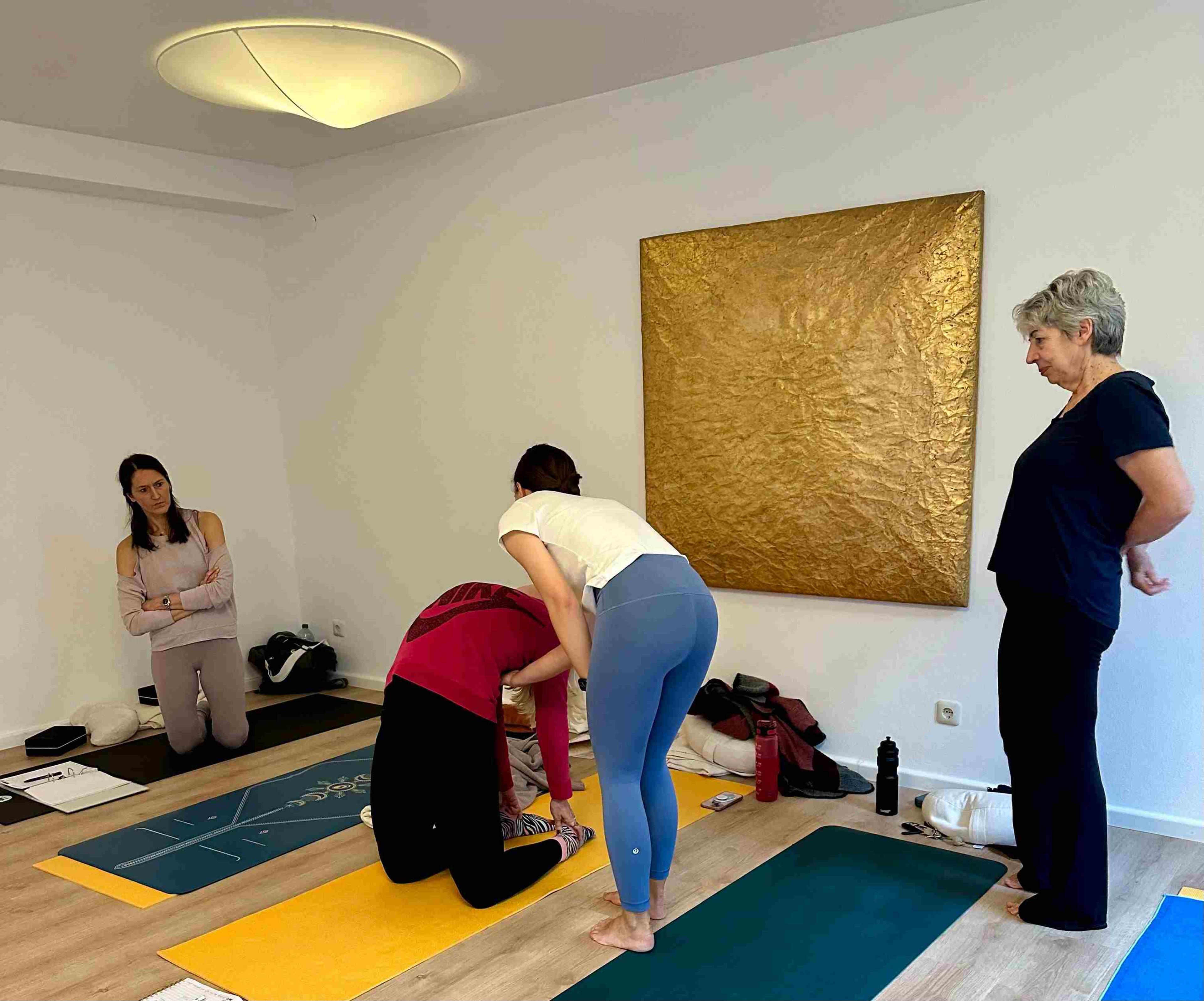
On a retreat, you often learn mindfulness exercises such as meditation, yoga, or certain conscious forms of eating and running. During the retreat, these practices are not so difficult for you to apply. But what happens after the event? The real challenge begins as soon as you return to your normal everyday life. By focusing on your daily tasks, you quickly fall back into your old routine and the valuable practices you acquired during the retreat fade into the background. It is obvious that these practices cannot be implemented in the same quantity and quality outside of a retreat. But often, just a few minutes a day is enough to make a big difference. Small rituals such as meditation, breathwork, or mindfulness exercises can be easily incorporated into your daily routine. For example, you can do them every morning and evening at the same time in a specific place.
There is a big difference between consciously enjoying your coffee or tea in the morning and sipping it while checking your emails. Allow yourself to take breaks that you consciously notice: take a deep breath, go for a short walk, or close your eyes for a moment and look inward. Such quiet relaxation phases are easy to integrate into everyday life and help you retain what you have learned.
Seek out people who have had similar experiences.
After a retreat, it can be beneficial to seek out people who have had similar experiences. You can join a community or online group and take advantage of regular meetings to exchange ideas with like-minded people. Shared conversations, meditations, or inspiring impulses will help you to remember your experiences. If you can't find a group, talk to friends or relatives about your experiences and share your new insights with them.
Physical well-being: the foundation for mental balance
Your physical condition has a major impact on how well you can maintain your positive energy. A balanced diet, exercise, and sufficient sleep are the most important factors for feeling energetic and balanced. Give your body what it needs to regenerate. Fresh, nutrient-rich foods, adequate hydration, and sufficient rest are crucial for maintaining your strength. Did you feel particularly light and energetic during the retreat? Then you should definitely maintain the eating habits that did you good.
Develop gratitude and mindfulness
One of the best ways to maintain your positive energy is through gratitude. You can focus on the positive aspects of your life by consciously noticing moments of gratitude. Set aside a few minutes each day to write down three things you are grateful for. It could be a pleasant encounter, an impressive natural phenomenon, or simply a feeling of inner peace. Mindfulness is also an excellent tool for bringing more presence and calm into your life. You can bring some of the peace and clarity of your retreat into your everyday life by eating, breathing, and acting mindfully.
Further develop the techniques you have learned
During the retreat, you may have discovered new approaches that help you, such as meditation, breathing exercises, or mindful movement. Even after the retreat, these tools can help you maintain your inner peace. Take the time to further develop these techniques. It may be helpful to expand your knowledge by taking an in-depth course, studying books on a specific topic, or using online resources. The more you engage with these practices, the greater the long-term benefits will be.
Although a retreat often represents an important turning point, the real challenge is to incorporate the experience into your everyday life. You can maintain positive energy over longer periods of time by consciously reflecting, developing small but consistent routines, taking regular breaks, and treating yourself with care. You can make lasting use of your retreat experience by regularly enriching your life with more serenity, joy, and inner balance: keep reminding yourself of what is good for you and consciously take time for yourself.