
Meditation Retreat Studies: What Science Says About Your Time Out
Discover how science evaluates meditation retreats. Learn about brain changes, stress reduction, and long-term health benefits based on recent research.
Read more
In our modern world, we often find ourselves caught in a cycle of hurry and judgment. A Metta meditation retreat offers a dedicated space to step away from these pressures. The word 'Metta' comes from the Pali language and is most often translated as 'loving-kindness' or 'unconditional friendliness.' It is a practice that focuses on developing a warm, caring heart toward ourselves and others. Unlike some forms of meditation that prioritize clearing the mind of all thoughts, Metta is an active cultivation of a specific quality of heart. When you attend a retreat, you are giving yourself the gift of time to nurture this quality in a supportive and quiet environment.
Metta is not about forced positivity or ignoring the difficult aspects of life. Instead, it is a practical approach to softening the critical inner voice that many of us carry. It begins with the realization that, like everyone else, you deserve to be happy and at peace. During a retreat, you learn to use specific phrases to anchor your intention. These phrases—such as 'May I be safe' or 'May I be happy'—serve as gentle reminders of our inherent capacity for kindness. By repeating these intentions, you slowly rewire your habitual responses, moving away from frustration and toward a more patient and understanding perspective.
While a daily ten-minute practice is valuable, a retreat provides a depth that is difficult to achieve at home amidst the distractions of work, family, and technology. When you spend several days or even a week solely focused on loving-kindness, the practice enters your subconscious more deeply. You are not just 'doing' a meditation; you are living in an atmosphere of kindness. This immersion allows for a reset of the nervous system. In the absence of daily stresses, you can observe your patterns of thought with more clarity and less judgment, creating a sustainable foundation for long-term emotional health.
A retreat is built upon a balanced structure that supports both the mind and the body. It is not an endurance test, but rather a carefully guided journey. Most retreats follow a rhythm that alternates between sitting meditation, walking meditation, and rest. This variety ensures that the body remains comfortable while the mind stays engaged. It is important to approach this structure not as a set of rigid rules, but as a supportive container that allows you to let go of the responsibility of making decisions for a few days.
The first stage of any Metta retreat usually focuses on the self. For many, this is actually the most challenging part. We are often our own harshest critics. You will be guided to offer kindness to yourself exactly as you are, including your flaws and your struggles. This isn't about self-indulgence; it is about self-respect. By acknowledging your own suffering with kindness, you build the inner strength necessary to be truly present for others. This process involves recognizing that you are worthy of care simply because you exist.

Once a foundation of self-kindness is established, the practice naturally begins to flow outward. In a Metta meditation retreat, you will gradually extend your wishes for well-being to a 'benefactor'—someone who has helped you—then to a dear friend, a neutral person, and eventually even to those with whom you have difficulties. This phased approach is practical. It allows the heart to open slowly, like a flower, rather than forcing it open. By the end of the retreat, many participants find that their circle of concern has widened significantly. You begin to see the common humanity in everyone you meet, recognizing that they, too, wish to be safe and happy. This shift in perspective is one of the most profound outcomes of the retreat experience, as it reduces the sense of isolation and increases the feeling of interconnectedness with the world around you.
Silence is a core component of most Metta meditation retreats. While it might seem intimidating at first, silence is actually a great relief. It eliminates the social pressure to perform, small talk, or project a certain image of yourself. In the quiet, you can hear your own thoughts more clearly and notice how your heart responds to the practice. This silence is often referred to as 'noble silence,' meaning it is a silence that supports internal growth and respects the journeys of those around you.
Even in a silent retreat, you occupy a space of guidance. A teacher provides daily talks and often offers one-on-one sessions where you can discuss your progress or any difficulties that arise. The teacher acts as a steady presence, offering practical advice on how to work with physical discomfort or wandering thoughts. Their role is not to be a guru, but to be a mirror and a guide, helping you navigate the internal landscape that the retreat reveals. Having access to someone with years of experience ensures that your practice remains grounded and balanced.
A typical day starts early, often with the sound of a bell. The morning is usually dedicated to sitting and walking sessions, interspersed with breakfast in silence. Afternoons might include a Dharma talk or more focused practice. Even meal times become part of the meditation; eating mindfully and with gratitude is a way to practice Metta toward the earth and the people who prepared the food. This consistent rhythm helps the mind settle into a state of calm focus that is rarely possible in our multi-tasking everyday lives.
The goal of a Metta meditation retreat is not just to have a peaceful week away, but to bring that peace back into your regular life. The benefits are often subtle but long-lasting. You might find that you react less impulsively when someone cuts you off in traffic, or that you are more patient with a difficult colleague. These small shifts are the evidence of a heart that has become more resilient and flexible through dedicated practice.
It is natural for difficult emotions like anger, grief, or boredom to arise during a retreat. When the outer noise stops, the inner noise can seem louder. A Metta retreat provides a specific toolkit for these moments. Instead of pushing the emotions away, you learn to meet them with the same kindness you have been practicing. You might say to your own anger, 'I see you, and it's okay that you are here right now.' This changed relationship with our emotions leads to emotional intelligence and a sense of inner stability that is not easily shaken by external circumstances.
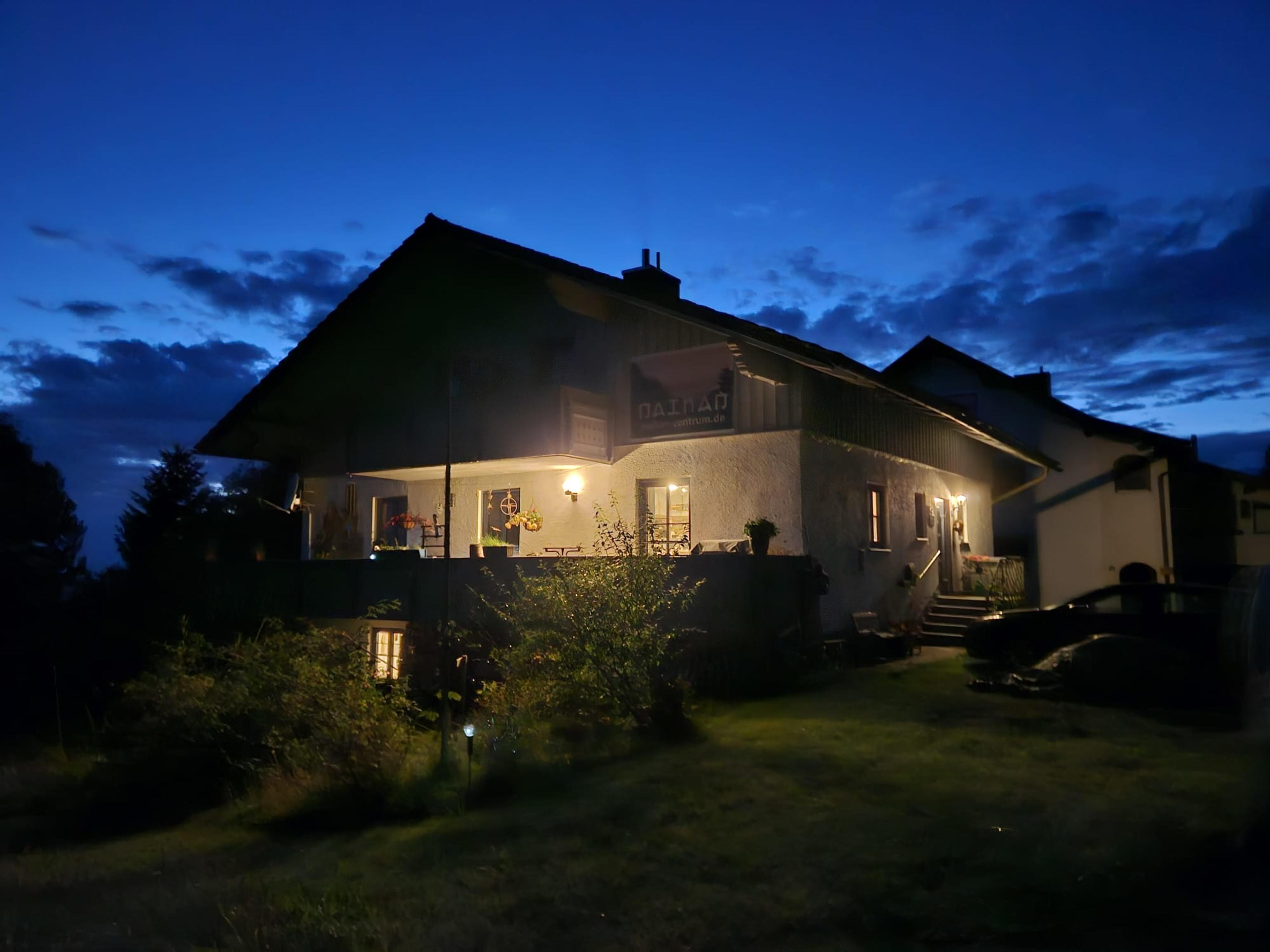
When looking for a retreat, it is helpful to consider the setting and the length of the program. For beginners, a weekend retreat is often a good starting point. For those with more experience, a ten-day or longer retreat can offer a more profound shift. Look for a center that aligns with your values and offers a pace that feels sustainable for you. The physical environment—whether it is in the mountains, the woods, or a quiet rural area—provides a natural backdrop that assists in the process of letting go.
The 're-entry' phase after a retreat is crucial. Moving from a silent, compassionate environment back into the bustle of a city or a busy household can be jarring. It is recommended to keep your schedule light for a few days after returning. Integrating the practice means finding small ways to keep the Metta alive—perhaps by holding a Metta phrase in your mind during your commute or setting a regular time to sit in quiet reflection. The retreat gives you the blueprint; the daily life is where you build the house.
A Metta meditation retreat is not a quick fix or a magical cure for life's challenges. It is a path of gentle persistence. It teaches us that kindness is a skill that can be developed, much like a muscle. As you participate in the sessions, you learn that the heart is naturally capable of great warmth, but it often gets covered by layers of stress and habit. The retreat is simply a process of uncovering what is already there. It invites you to return home to yourself with a sense of friendliness and renewed purpose.
Most Metta meditation retreats are open to all levels. While having a basic understanding of meditation is helpful, the instructions are usually very clear and the practice is accessible even for beginners. Teachers are there to support you regardless of your starting point.
Not necessarily. Retreat centers provide various options, including chairs, benches, and cushions. The emphasis is on having a posture that is alert but relaxed. You are encouraged to adjust your seat or use props to ensure your body is comfortable during the sessions.
Retreats can range from a single weekend to several weeks. For a first-time experience, a 3-day or 5-day retreat is often recommended to get a real sense of the practice without feeling overwhelmed.
Comfortable, modest clothing is usually recommended. You should also bring any personal items you need for hygiene, an open mind, and perhaps a journal. Most centers suggest leaving electronics like phones and laptops turned off to fully embrace the silence.
While Metta has its roots in Buddhist traditions, the practice of cultivating loving-kindness is universal. Most modern retreats are taught in a secular or non-dogmatic way, focusing on psychological well-being and human connection rather than religious belief.
While it is encouraged to stay for the duration to get the full benefit, you are always in control of your own experience. If you hit a significant difficulty, you can talk to the teacher or staff to find a solution that works for your well-being.