
MBSR – Mindfulness-Based Stress Reduction according to Jon Kabat-Zinn
Discover MBSR—Jon Kabat-Zinn's mindfulness program that reduces stress and strengthens inner peace. Scientifically based & deeply transformative.
Read more

In our fast-paced world, the longing for stillness is growing. You might have noticed that the term 'mindfulness' is used everywhere, yet the experiences offered can vary wildly. When we talk about the mindfulness retreat unterschied (the difference between mindfulness retreats), we are looking at how different approaches can lead to different internal results. Some retreats focus on total silence, while others emphasize psychological learning or physical movement. Understanding these nuances helps you select an experience that truly supports your current state of mind.
One of the most significant differences lies in the use of speech. In a traditional silent retreat (Vipassana or similar), participants commit to 'noble silence' for several days. This means no talking, no eye contact, and no electronic devices. The goal is to lower external stimulation so much that you can clearly see the patterns of your own mind. On the other hand, guided mindfulness programs often involve group discussions, workshops, and guided sessions where the teacher explains the mechanics of the mind. If you are a beginner, a guided program might feel safer, whereas seasoned practitioners often seek the depth of complete silence.
A very common type of retreat in the West is based on Mindfulness-Based Stress Reduction (MBSR). These retreats are secular and scientifically grounded. They don't require any religious affiliation and focus primarily on the physiological and psychological aspects of stress. The 'unterschied' here is the practical focus: you learn tools to handle difficult emotions and physical pain. These retreats are often more educational than spiritual, providing you with a 'toolkit' for your return to the office or family life.
Mindfulness is not a one-size-fits-all solution. Depending on who is leading the retreat and the philosophy behind it, the energy of the week will differ. Some focus on the heart—cultivating compassion and kindness—while others focus on the mind—cultivating clarity and focus. It is helpful to ask yourself whether you need emotional healing or mental sharpening at this point in your life.
When comparing different offerings, you will notice that some are deeply rooted in Buddhist traditions, involving chanting or bowing rituals. Others are entirely modern and feel more like a wellness workshop. The difference is in the 'why.' A spiritual retreat might aim for long-term liberation from suffering, while a stress-reduction retreat aims to help you manage your next work project without burning out. Both are valid, but they serve different needs. Knowing which one you are looking for will prevent feelings of being out of place once you arrive.

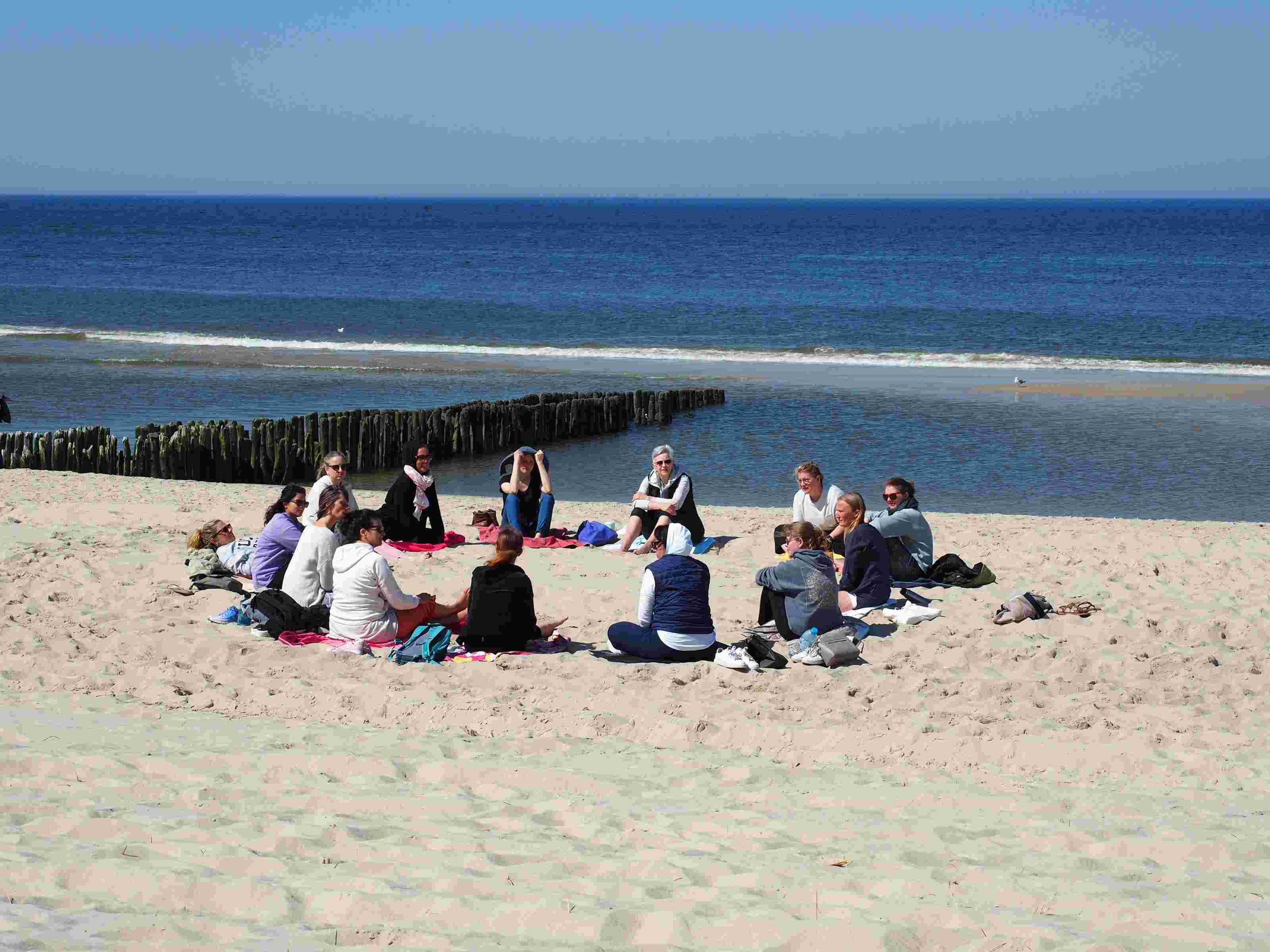
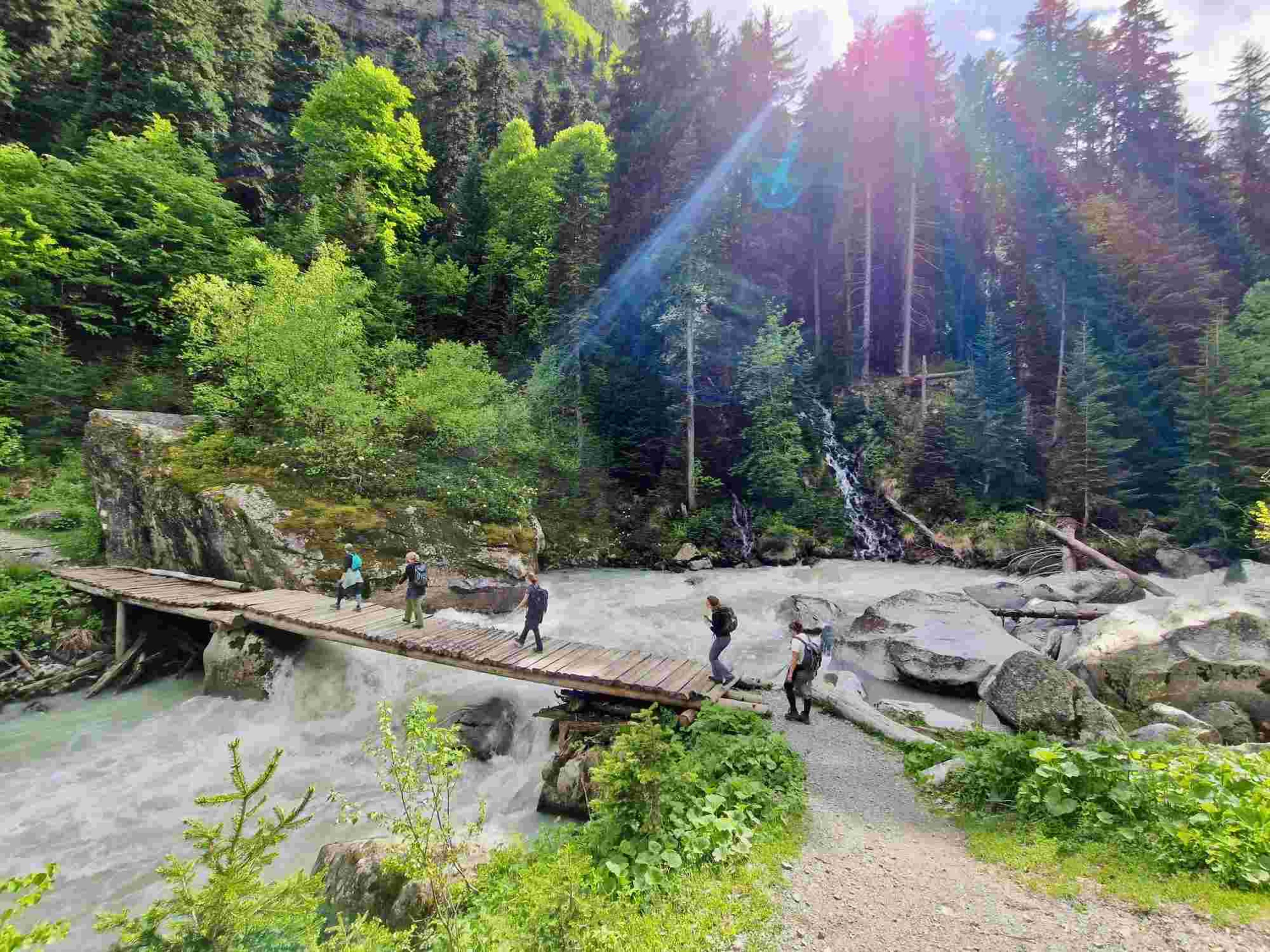
The environment you choose for your retreat plays a silent but powerful role in your progress. When exploring the mindfulness retreat unterschied, consider the setting as much as the curriculum. A retreat in the mountains might offer a sense of grandeur and perspective, helping you feel small in a healthy, grounding way. In contrast, a retreat by the sea provides a rhythmic constancy that can soothe a nervous system stuck in 'fight or flight' mode.
At its core, mindfulness is about being present where you are. However, if the physical environment is too harsh or too distracting, it can be difficult for beginners to find their inner anchor. More established retreat centers provide a 'protected space' where every detail—from the lighting to the meal times—is designed to minimize the need for decision-making. This lack of choice is actually a gift; it allows your brain to rest from the constant 'executive function' it performs at work. When you don't have to decide what to eat or when to move, your energy naturally turns inward. This is a primary reason why people return from retreats feeling more refreshed than they do from a standard vacation where they still have to manage logistics and entertainment.
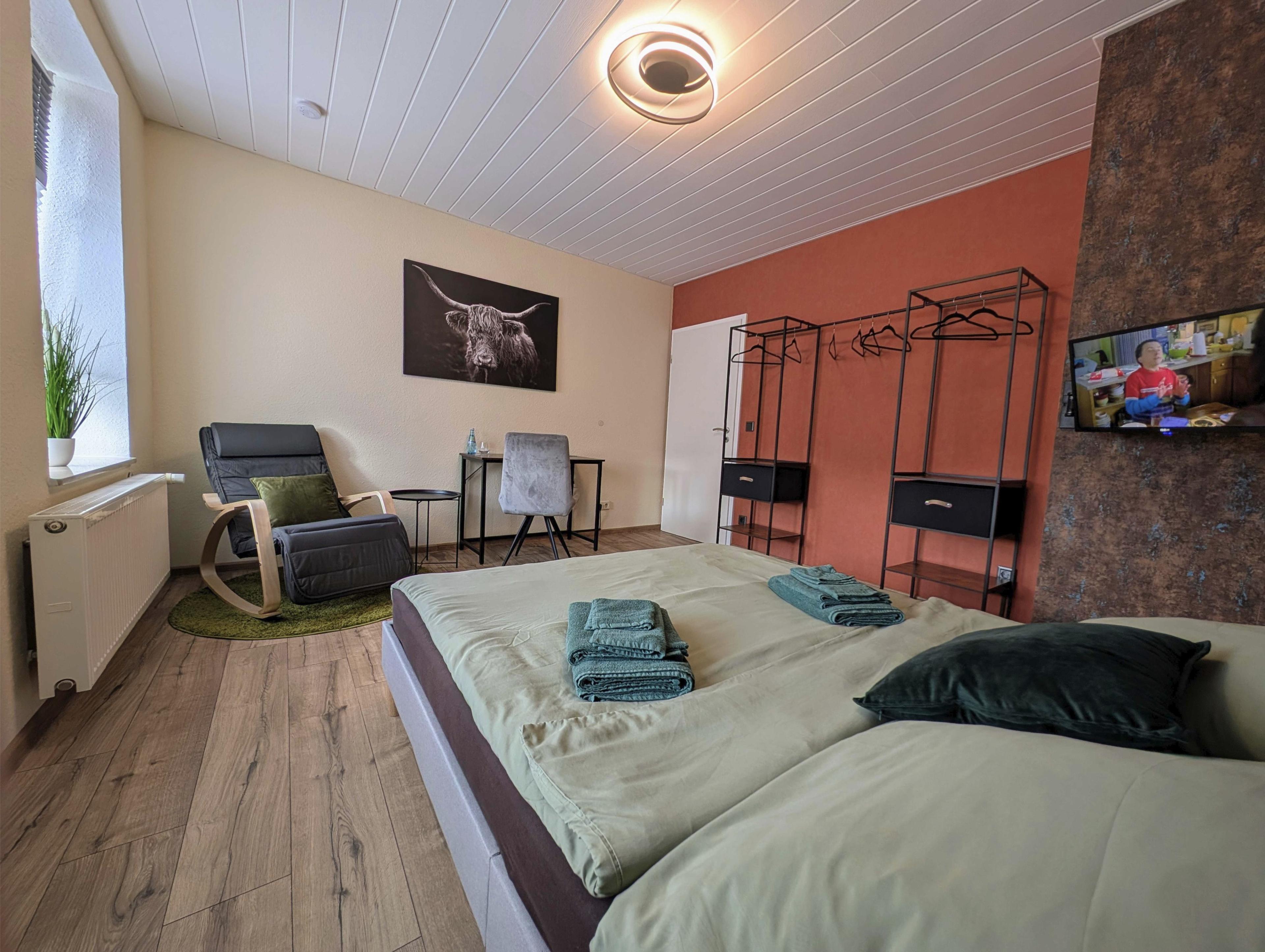
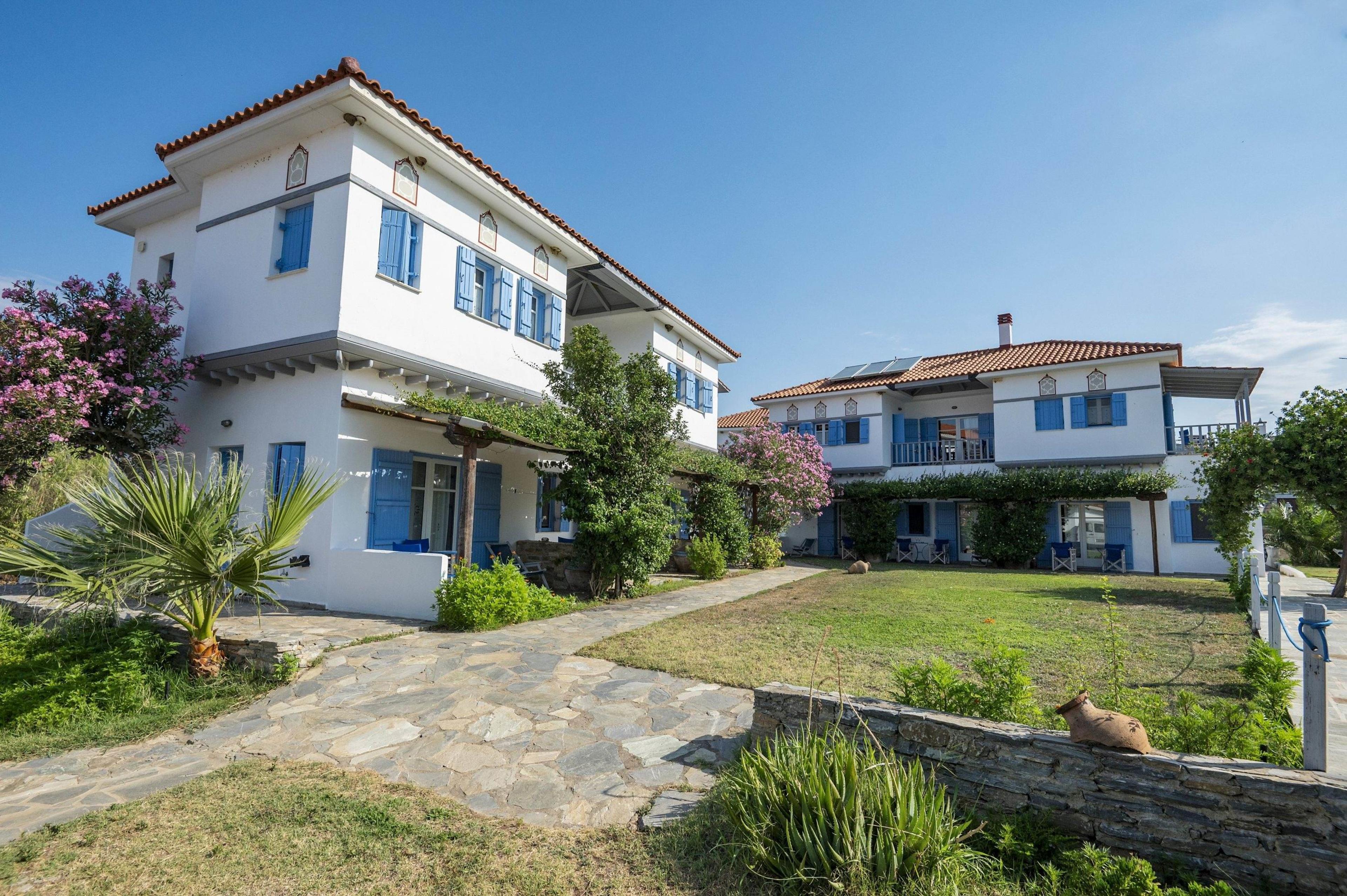
The physical space acts as a container for your experience. A well-organized retreat center understands that the 'mindfulness retreat unterschied' often comes down to the atmosphere. A minimalist setting helps quiet the mind, while a more luxurious setting might shift the focus toward comfort and pampering. Neither is inherently better, but they serve different psychological purposes. If your goal is deep introspection, you might find that fewer distractions in a simple monastery-style room are more helpful than a five-star hotel suite.
Time is a crucial factor. You will find weekend intensives and 10-day immersions. The difference in impact is substantial. A weekend can offer a 'reset,' a chance to catch your breath. However, neurological studies suggest that it takes about three to four days for the nervous system to truly settle into a meditative state. In a longer retreat, the first few days are often characterized by restlessness and 'monkey mind.' It is usually only after day four that deeper layers of quiet emerge. If you really want to see a change in your habitual thinking, a longer commitment is often more effective.
Even in silent retreats, the presence of others is felt. Some programs emphasize 'Sangha' or community, where you share your experiences in the evening. This can be incredibly validating, as you realize that others struggle with the same thoughts. Other retreats are strictly individual journeys where you move as a ghost among others. This social 'unterschied' dictates how much you will process your experience through language versus through felt sensation.
Before booking, it is essential to look at the practicalities that define the mindfulness retreat unterschied. This includes the schedule, the food, and the level of physical activity involved. You want to ensure that your body is supported so that your mind can do the work of observing without being distracted by unnecessary discomfort.
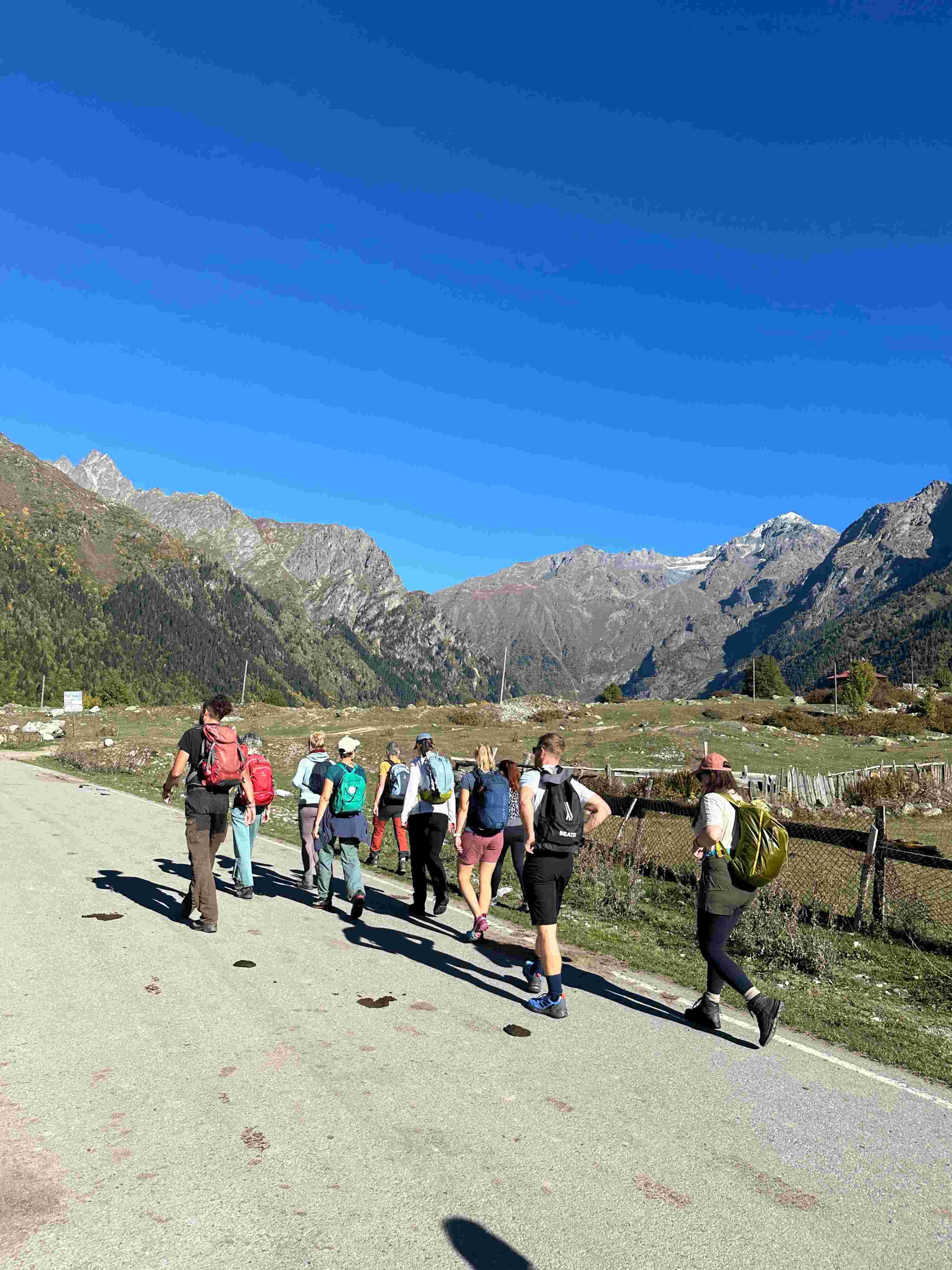
While we often associate mindfulness with sitting still, many retreats incorporate hatha yoga or walking meditation. This is a vital difference to look for. If you have a desk job and carry a lot of tension in your body, a retreat that is 100% sitting might be physically agonizing. A program that balances stillness with gentle movement helps integrate the mindfulness into your physiology. Walking meditation, in particular, is a bridge between the 'cushion' and real life, teaching you how to stay present while your body is in motion.
The culinary philosophy of a retreat center can also differ. Most offer vegetarian or vegan meals, often focusing on 'mindful eating.' This practice involves eating in silence, focusing on the texture, taste, and origin of the food. Some centers have strict meal times (like no food after noon in some monastic traditions), while others are more flexible. The difference here impacts your energy levels and how you relate to your own desires and habits. For many, the challenge of mindful eating is one of the most transformative parts of the retreat.
The teacher's background is perhaps the most critical factor in the mindfulness retreat unterschied. A teacher trained in clinical psychology will approach your distractions differently than a Zen monk would. It is important to find a 'voice' that you trust and that resonates with your current needs.
Some retreats offer one-on-one interviews with the teacher. These short meetings are invaluable for clarifying your practice and ensuring you aren't getting lost in your own thoughts. Other retreats are strictly group-led. If you are dealing with specific life challenges or heavy emotions, having access to a qualified guide for individual check-ins can make a massive difference in how safe and supported you feel during the process.
The real test of any retreat happens when you come home. This is where the difference between a 'spiritual holiday' and a 'mindfulness retreat' becomes clear. A high-quality retreat provides you with a transition plan. How do you maintain the silence when you have to go back to school runs and Zoom calls?
The best retreats don't just give you a high; they give you a habit. The difference lies in the emphasis on everyday application. Look for programs that discuss 'micro-meditations' or how to bring mindfulness to your chores, your speech, and your reactions. The goal is not to live in a cave but to bring the quality of the retreat into the middle of your life. When you understand the mindfulness retreat unterschied, you choose the experience that gives you the best chance of lasting change, rather than just a temporary escape from stress.
For beginners, the main difference is the level of guidance. Some retreats are highly structured with many explanations, while others are silent and self-led. Beginners usually benefit more from 'Guided Mindfulness' or MBSR retreats to learn the basic techniques before diving into total silence.
A short weekend (2-3 days) is a great way to start without feeling overwhelmed. However, if you want a deeper shift, 5 to 7 days is often recommended as it takes a few days for the mind to truly slow down and let go of daily worries.
While the terms are often used interchangeably, a mindfulness retreat specifically focuses on 'sati' (awareness) and staying present in every moment, including walking and eating. A meditation retreat might focus more exclusively on seated practice or specific visualization techniques.
No. Many modern mindfulness retreats are entirely secular and based on psychological research (like MBSR). Even traditional retreats are usually open to people of all faiths, focusing on the universal mechanics of the human mind rather than dogma.
Noble silence is the practice of refraining from all forms of communication. The difference it makes is profound: by not talking, you stop externalizing your thoughts and are forced to observe them. It helps conserve energy and deepens the introspective process significantly.
Yes, many retreats incorporate gentle Yoga, Qi Gong, or mindful walking. This is an important distinction for those who find sitting for long periods difficult. Checking the schedule beforehand will help you see if physical movement is part of the program.