
Retreat experience for solo travelers – A journey back to yourself
Discover why a retreat experience is more than just a vacation for solo travelers—it is a conscious journey toward inner peace, healing and self-discovery.
Read more

When you think of a retreat, you might imagine a quiet place, perhaps in nature, where you can step away from the demands of daily life. While many retreats focus on general wellness or meditation, a trauma-sensible retreat is designed with a specific understanding of how our bodies and minds process past experiences. It is not necessarily about talking through memories; rather, it is about creating an environment where your nervous system feels safe enough to rest and recalibrate.
Safety is the foundation of any trauma-sensible approach. For many of us, our bodies have learned to stay in a state of high alert as a way to protect us. In a traditional retreat setting, some practices like long periods of silence or intense breathing exercises might unintentionally trigger this survival response. A trauma-sensible retreat prioritizes 'felt safety'—the internal sense that you are secure in your environment and with the people around you. This allows the body to move out of a defensive state and into a state of growth and connection.
While relaxation is a lovely byproduct, the goal of a trauma-sensible retreat is often deeper: resilience. It is about learning to navigate the waves of your emotions without becoming overwhelmed. Instead of pushing through discomfort, you are encouraged to listen to the subtle signals of your body. These retreats provide a space where there is no pressure to 'perform' healing or reach a specific meditative state. You are met exactly where you are, with all your history and your current capacity.
Our nervous system is the silent narrator of our lives, constantly scanning the environment for cues of safety or danger. When we have experienced trauma, this scanning system can become overly sensitive. Understanding how this works is a key part of the retreat experience, as it shifts the perspective from 'what is wrong with me' to 'how is my body trying to protect me'.
A central concept in trauma-sensible work is the 'window of tolerance.' This is the zone where you can effectively process information and emotions. When you are within this window, you feel grounded and present. Trauma can narrow this window, making it easy to flip into hyper-arousal (anxiety, anger) or hypo-arousal (numbness, shutdown). During a retreat, the aim is to gently expand this window through manageable exercises, ensuring you never feel pushed beyond what your system can handle. It is a process of gentle titration—small steps that lead to lasting change.

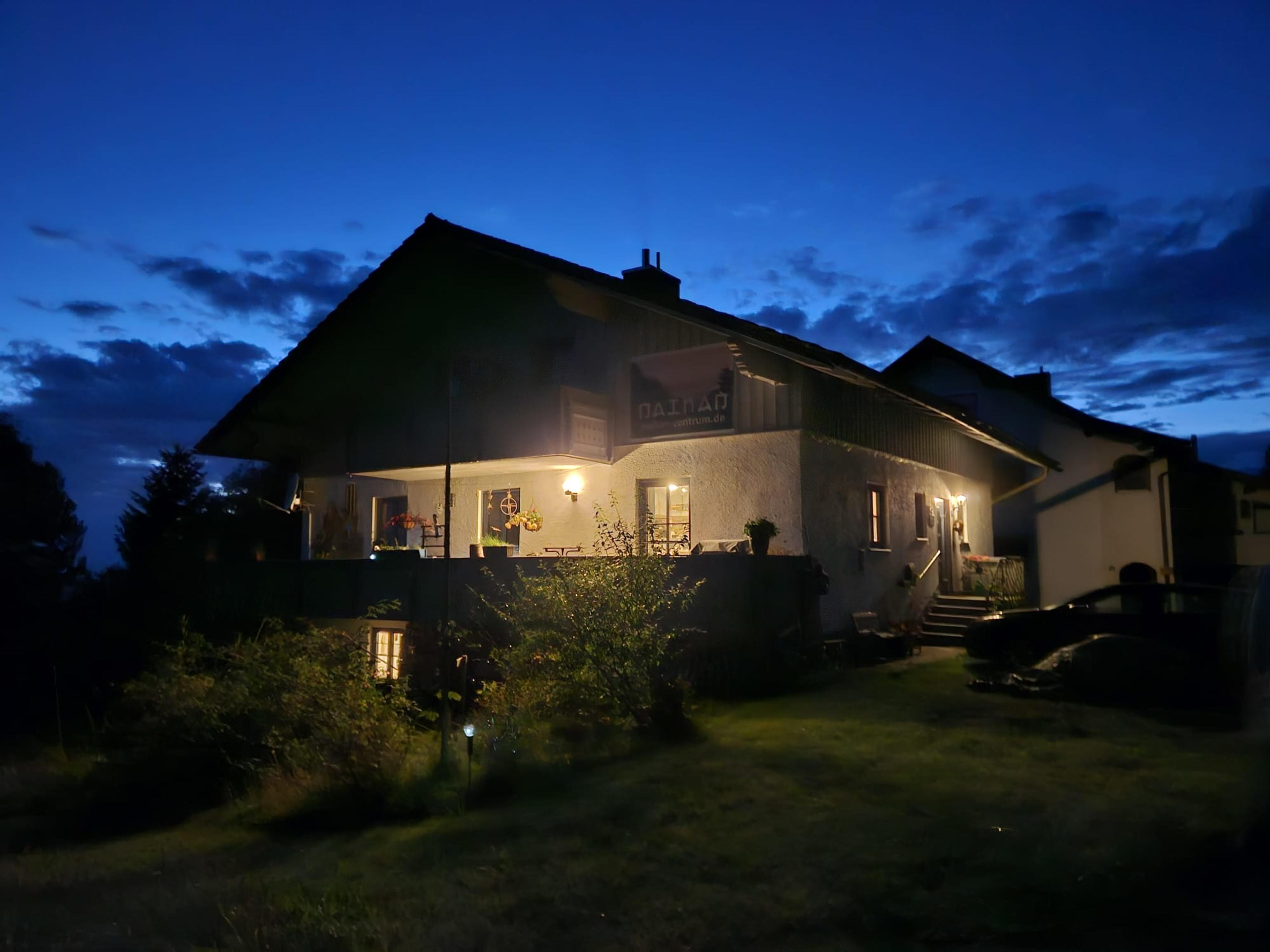
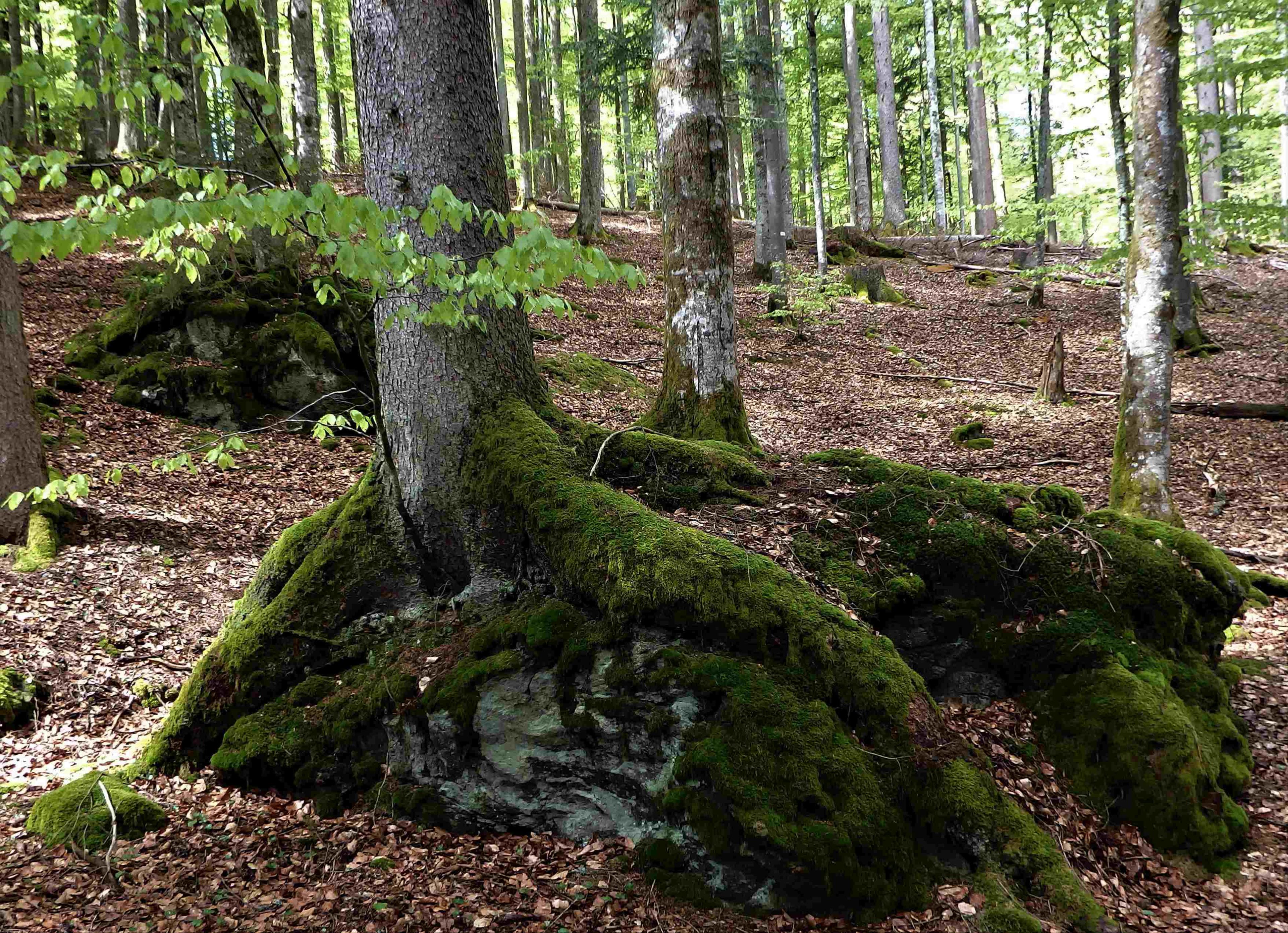
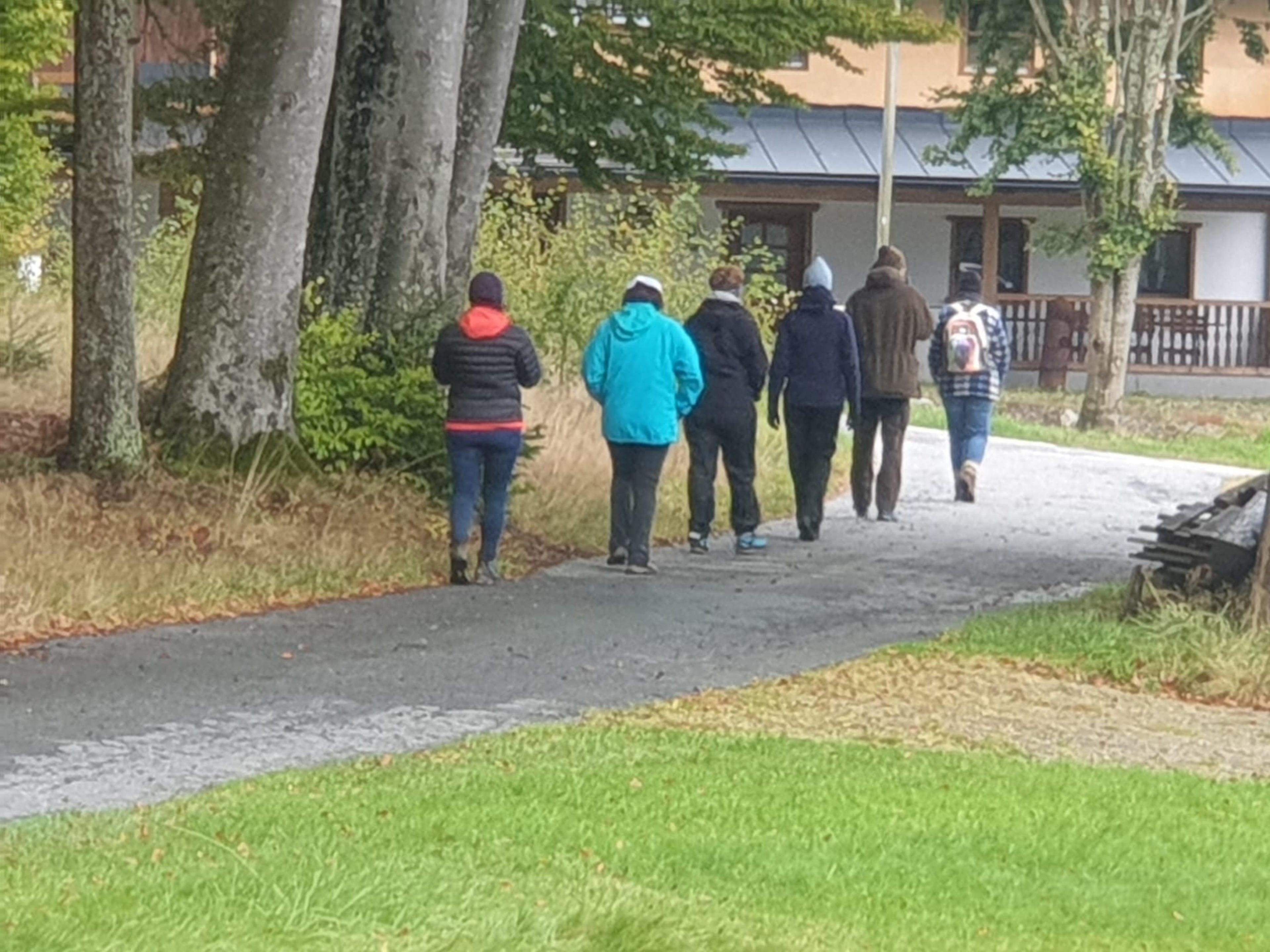
The physical environment of a trauma-sensible retreat plays a crucial role in the healing process. It is not just about beautiful aesthetics, but about how a space communicates safety to the brain. Soft lighting, clear exits, and the presence of nature all contribute to a calming atmosphere. In these spaces, you are invited to reconnect with your physical self at your own pace. Whether it is through gentle movement, mindful walking, or simply sitting in stillness, the focus remains on your comfort. This external stability helps to anchor your internal experience, allowing you to explore your thoughts and feelings without the fear of being overwhelmed. The relationship between the space and your body becomes a silent dialogue of trust, gradually reminding you that it is okay to let down your guard and simply be.
In a trauma-sensible retreat, the focus shifts from the mind to the body. Somatic safety means that your physical presence is respected and protected. This is achieved through clear structures, predictable schedules, and an emphasis on individual autonomy. You are never forced to participate in an activity that doesn't feel right for you. This respect for your boundaries is, in itself, a powerful healing tool.
We are social beings, and our nervous systems naturally respond to the presence of others. In a trauma-sensible setting, the facilitators act as anchors of calm. Their grounded presence helps to 'co-regulate' your system. When you are around people who are calm and settled, your own body starts to mirror that state. This doesn't mean you have to interact with everyone constantly; it simply means being in a shared space where the collective intention is one of peace and mutual respect. This sense of belonging, without the pressure to conform, can be incredibly restorative.
One of the most disempowering aspects of trauma is the loss of choice. Therefore, a trauma-sensible retreat restores agency at every opportunity. You are often given options for how to engage with a practice. For example, in a yoga session, you might be invited to close your eyes, but you are also told it is perfectly fine to keep them open if that makes you feel safer. By making these small choices, you are practicing the act of listening to your own needs and acting upon them, which is a fundamental building block of self-trust.
A retreat shouldn't just be an isolated experience; it should provide you with a toolkit for your daily life. The practices offered are usually simple and accessible, designed to be used when you feel your stress levels rising in the 'real world'. These tools help you ground yourself in the present moment, reminding your body that the immediate danger has passed.
You might learn how to use your senses to return to the 'here and now'. This could involve noticing the weight of your feet on the floor, the texture of an object in your hand, or the sounds in the distance. These somatic cues act as 'anchors'. By practicing these during the retreat, they become more available to you when you return home to your usual environment. The goal is to develop a friendly relationship with your body, learning to recognize its signals before they become a crisis.
Understanding where you end and others begin is essential for emotional health. A trauma-sensible retreat often includes gentle explorations of boundaries. This isn't about building walls, but about understanding your 'container'. Through guided reflections or gentle movement, you learn to identify what feels like a 'yes' in your body and what feels like a 'no'. This clarity allows you to engage with the world more authentically and protects your energy from being drained by external demands.
Choosing a retreat is a personal decision that requires careful thought. It is important to look for facilitators who have specific training in trauma-informed care or somatic practices. They should be able to explain their approach clearly and answer any questions you have about safety and support. A true trauma-sensible retreat will always prioritize your well-being over any specific technique or ideology.
When researching a retreat, consider asking: What is the facilitator's background in trauma work? How do they handle moments of overwhelm among participants? Is there a clear structure and schedule? What kind of individual support is available? A transparent and responsive facilitator will be happy to provide this information, as they understand that clarity is a prerequisite for safety.
The true value of a trauma-sensible retreat is not found in the days spent away, but in the weeks and months that follow. Integration is the process of weaving the insights and felt experiences of the retreat into the fabric of your daily life. It is about moving from an extraordinary experience back into the ordinary, with a slightly different perspective and a more regulated nervous system.
Healing is not a destination, but a continuous process of returning to yourself. A good retreat provides you with sustainable practices that don't require hours of free time. It might be a two-minute breathing exercise, a specific way of sitting, or a mindful way of drinking your morning tea. These small, consistent actions are what build long-term resilience. The retreat serves as a catalyst, but the daily commitment to your own nervous system is what creates lasting change. You leave not as a 'fixed' person, but as someone more attuned to their own rhythm and more capable of holding their own experience with kindness.
A trauma-sensible retreat focuses specifically on nervous system regulation and felt safety. It avoids practices that might be triggering, such as forced long silences or intense breathwork, and emphasizes choice, agency, and somatic awareness.
No, you do not. A trauma-sensible retreat is not a group therapy session. The focus is on the present moment and your body's current state of regulation. You are welcome to share as much or as little as you feel comfortable with.
Safety is the highest priority. Facilitators are trained to recognize signs of overwhelm and will provide tools to help you stay within your window of tolerance. You are always encouraged to take breaks and move at your own pace.
Activities typically include gentle somatic movement, mindful walking, grounding exercises, restorative yoga, and periods of rest. All activities are optional and can be adapted to your individual needs.
Look for specific certifications in trauma-informed coaching, Somatic Experiencing, or related fields. They should use clear, non-pressuring language and be open to discussing their safety protocols with you before you sign up.
Yes, trauma-sensible retreats are often very beneficial for those with C-PTSD as they focus on long-term regulation and safety. However, it is always recommended to discuss your attendance with your current therapist or healthcare provider first.
Discover why a retreat experience is more than just a vacation for solo travelers—it is a conscious journey toward inner peace, healing and self-discovery.

Ein Retreat kann der Moment sein, in dem du erkennst: „Meine Krise war kein Ende – sie war der Beginn meines eigentlichen Weges.“