
Spa, Retreat or Wellness: Understanding the Differences for Your Well-being
Discover the subtle but important differences between a spa, a wellness holiday, and a retreat to find the perfect path for your recovery.
Read more

In our fast-paced world, the concept of recovery often gets reduced to a few hours of sleep or a quick weekend away. However, true wellness retreat erholung goes much deeper than that. It is a conscious decision to step away from the noise of daily life and allow your nervous system to return to its natural state of balance. When you choose a retreat, you are not just booking a room; you are creating a dedicated space for your physical and mental systems to repair themselves. This process requires time, patience, and a supportive environment that prioritizes quiet over constant stimulation.
Biological rest is more than the absence of work. It is the active process of cellular repair and hormonal regulation. During a dedicated retreat, your body moves out of the 'fight or flight' mode—the sympathetic nervous system—and into the 'rest and digest' mode, known as the parasympathetic nervous system. This transition allows your heart rate to level out and your digestive system to function optimally. Erholung, in this sense, is a physiological necessity, not a luxury. By understanding that your body needs this downtime to remain functional and healthy, you can approach your retreat with a sense of purpose and respect for your own biology.
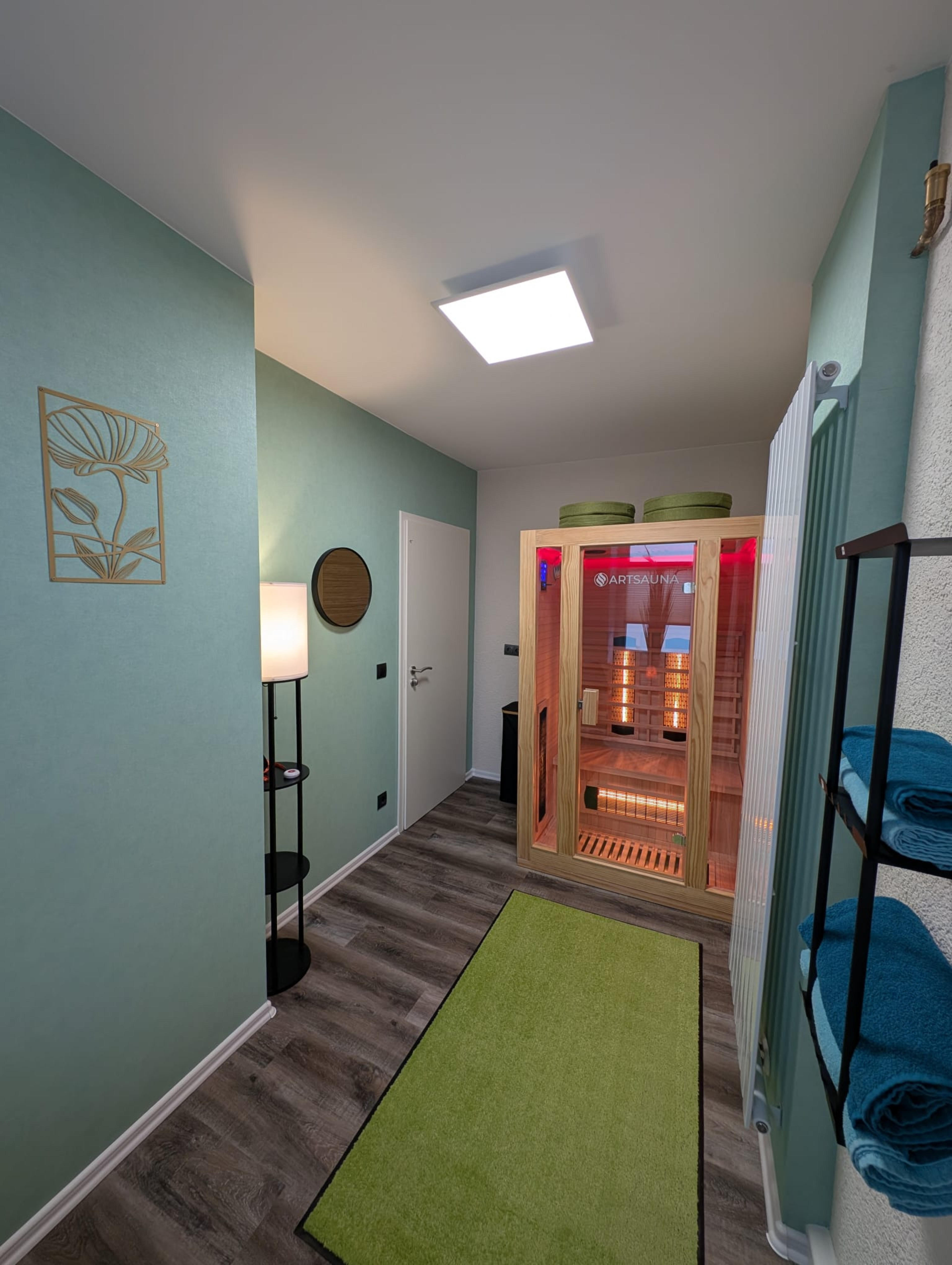
Your surroundings play a critical role in how quickly you can achieve a state of erholung. A wellness retreat is specifically designed to eliminate external stressors like loud noises, bright artificial lights, and the constant pull of digital notifications. When you are surrounded by soft colors, natural materials, and quiet landscapes, your brain receives signals that it is safe to let go of its defensive posture. This environmental shift is the foundation of recovery. It allows you to breathe more deeply and focus on the present moment, which is often impossible when you are at home or in an office setting.
A significant part of erholung involves how we move our bodies. While high-intensity exercise has its place, a wellness retreat usually focuses on mindful movement. This type of activity is not about performance or burning calories; it is about reconnecting with your physical self. It involves listening to the subtle signals your muscles and joints send you, allowing you to move in a way that nourishes rather than depletes your energy reserves. This approach helps to release chronic tension held in the shoulders, neck, and lower back, which are common areas where stress accumulates.
Yoga within a retreat setting is often focused on restoration. Gentle poses held for longer periods help to stretch the fascia and improve flexibility without overtaxing the heart. As you move through these sequences, you are encouraged to synchronize your breath with each movement. This connection helps to steady the mind and provides a sense of grounding. Even if you have never practiced yoga before, the focus on 'erholung' means the practice is accessible and supportive, emphasizing comfort and ease over complex postures. It is a time to explore what your body can do when it is given the chance to move without pressure.
Walking in nature is one of the most effective ways to facilitate erholung. The Japanese concept of 'forest bathing' or 'Shinrin-yoku' highlights how simply being among trees can lower cortisol levels and boost the immune system. During a retreat, nature walks are often guided or encouraged as a form of moving meditation. The uneven ground of a forest path engages different muscles than a flat pavement, while the colors and scents of the outdoors stimulate the senses in a gentle, healing way. It is a rhythmic, low-impact activity that clear the head and refreshes the spirit, making it a cornerstone of any recovery-focused stay.

The atmosphere of a wellness retreat is carefully curated to support your journey toward erholung. Every detail, from the scent of essential oils in the hallway to the quality of the linens on your bed, is designed to minimize sensory overload. In this space, you are invited to shed the roles and responsibilities you carry in your everyday life. You are not a manager, a parent, or a provider here; you are simply a person in need of rest. This shift in identity is a powerful catalyst for deep recovery. When you allow yourself to be cared for by your environment, you open up the possibility for lasting change. The quietude of the surroundings acts as a mirror, reflecting your inner state and helping you identify where you are holding onto tension. By embracing this stillness, you begin to understand that true strength comes from a place of replenished energy. A retreat isn't an escape from reality, but a return to a more balanced version of it, where you can gather the resources needed to face life with renewed clarity and calm.
True erholung is not only physical; it is profoundly mental. Our minds are often cluttered with lists, worries, and the constant stream of information from the internet. A wellness retreat provides the 'white space' necessary for your thoughts to settle. Just as a jar of muddy water becomes clear when left still, your mind can find clarity when given the gift of silence. This mental decluttering is essential for emotional balance. It allows you to process experiences and emotions that you may have pushed aside during your busy daily routine, leading to a sense of lightness and renewed perspective.
One of the most effective ways to achieve mental erholung is through a digital detox. During a retreat, you are often encouraged or required to put away your phone and laptop. This break from the digital world interrupts the dopamine loops created by social media and constant notifications. Without the urge to check your screen, your attention span begins to lengthen. You start to notice the texture of your food, the sound of the wind, and the nuances of your own thoughts. While it may feel uncomfortable at first, this disconnection is vital for retraining your brain to focus and find peace in the present moment.
The breath is a bridge between the body and the mind. During your retreat, you will likely learn various breathing techniques designed to induce relaxation. Simple practices, such as diaphragmatic breathing or the 'box breathing' method, can be used to instantly calm the nervous system. These tools are invaluable because they are portable; once you learn them at a retreat, you can take them home with you. By focusing on the breath, you provide your mind with a single point of focus, which helps to silence the 'inner chatter' and promotes a deep state of erholung that can be accessed whenever you feel overwhelmed by stress.
What we consume has a direct impact on our ability to recover. A wellness retreat often focuses on 'clean' nutrition—foods that are whole, seasonal, and minimally processed. This isn't about restriction or dieting; it's about providing your body with the high-quality fuel it needs to repair tissue and balance hormones. When you eat foods that are easy to digest and rich in nutrients, you avoid the energy crashes and inflammation common with a modern diet. This nutritional support is a key pillar of long-term erholung, helping you feel lighter and more energetic from the inside out.
Hydration is often overlooked, yet it is fundamental to how we feel. Water is necessary for every chemical reaction in the body, including those that manage stress and energy production. At a retreat, you will find an emphasis on drinking pure water, herbal teas, and infusions. Proper hydration helps to flush out toxins and keeps your skin and joints healthy. It also prevents the fatigue that often mimics hunger or stress. By making hydration a mindful practice rather than a chore, you support your body’s natural detoxification processes, contributing significantly to your overall sense of recovery and vitality.
How you eat is just as important as what you eat. Mindful eating involves slowing down and fully experiencing the flavors, textures, and aromas of your food. In a retreat setting, meals are often eaten in silence or in a quiet, relaxed atmosphere. This encourages you to chew thoroughly and listen to your body’s hunger and fullness cues. Mindful eating improves digestion and allows you to derive more satisfaction from your meals. It transforms a routine necessity into an act of self-care, further enhancing the erholung experience and teaching you a sustainable habit that can be applied long after the retreat has ended.
The true value of wellness retreat erholung is measured by how it changes your life once you return home. A retreat should serve as a laboratory where you test new ways of living and being. The goal is to take the lessons learned—whether it's a new breathing technique, a different way of eating, or the importance of silence—and weave them into the fabric of your daily existence. This integration ensures that the sense of peace you found isn't just a fleeting memory, but a permanent part of your lifestyle. It’s about building a bridge between the tranquility of the retreat and the demands of home.
Sustainability in wellness means choosing practices that you can actually maintain. You don't need to live in a forest to experience erholung; you simply need to carve out small pockets of time for yourself. Maybe it's a ten-minute morning stretch, or a commitment to turn off all screens an hour before bed. By focusing on small, manageable changes, you prevent the 'all or nothing' mentality that often leads to burnout. A retreat provides the blueprint, but you are the builder of your daily routine. Prioritizing rest on a regular basis is the most effective way to prevent the need for an emergency 'escape' later on.
The primary goal is to provide a comprehensive recovery experience for both the body and mind. This involves lowering stress hormones, restoring physical energy, and gaining mental clarity through a structured environment and mindful practices.
While even a weekend can be beneficial, most experts recommend at least 5 to 7 days. This time allows your nervous system to fully transition out of 'fight or flight' mode and gives you enough space to establish new, healthy patterns.
No, most wellness retreats are designed to be inclusive for all levels. The focus is on erholung (recovery) and personal well-being, so activities are usually gentle and easy to follow, even for absolute beginners.
Focus on comfort. Pack loose-fitting clothing, comfortable walking shoes, a reusable water bottle, and perhaps a journal for reflections. It is often recommended to leave most electronic devices at home or in your luggage.
While a retreat provides an ideal environment, you can implement 'mini-retreats' at home by scheduling periods of digital detox, practicing mindful movement, and ensuring you have a quiet, dedicated space for rest.
Most retreats place a high value on nutrition because it is a pillar of recovery. However, the focus is usually on nourishment and enjoyment rather than strict rules or deprivation.
Transition slowly. Try to keep your first day back free of major commitments. Implement one or two small habits you learned at the retreat immediately to maintain the sense of erholung in your daily routine.