
Thermal Retreat Therme: Your Path to Genuine Relaxation and Health
Discover how a thermal retreat at a therme can help you find balance. Learn about the healing benefits of warm water and quiet spaces for your well-being.
Read more

In our modern, fast-paced world, the longing for a break is a common feeling. You might feel the need to step away from your daily responsibilities, but when you look at the options, you encounter various terms: Spa, Wellness, and Retreat. While they all promise a form of recovery, they serve different purposes and offer different depths of experience. Understanding these nuances helps you choose the environment that truly nourishes you at this moment.
Historically, the idea of taking time for oneself has evolved. What started as simple visits to thermal baths has transformed into a sophisticated industry. Today, we distinguish between passive consumption of luxury and active participation in our own health. Grounding yourself in the knowledge of why these services exist allows you to navigate the offerings with more clarity. It is not just about the price or the location, but about what happens within you during that time.
Before booking any stay, it is helpful to ask yourself: What am I looking for? Am I physically exhausted and just need a comfortable bed and a massage? Or am I at a crossroads in my life, seeking new perspectives? Perhaps I simply want to improve my fitness and diet with professional help. By defining your goal—be it short-term recovery, long-term health, or deep psychological work—you can better choose between a spa day, a wellness week, or an intensive retreat.
The term 'Spa' is often used as a catch-all phrase, but it has a specific focus. Traditionally, it refers to 'Sanus Per Aquam'—health through water. When you visit a spa, the center of the experience is usually the treatment and the physical environment. It is about the immediate sensation of relaxation on the skin and in the muscles.
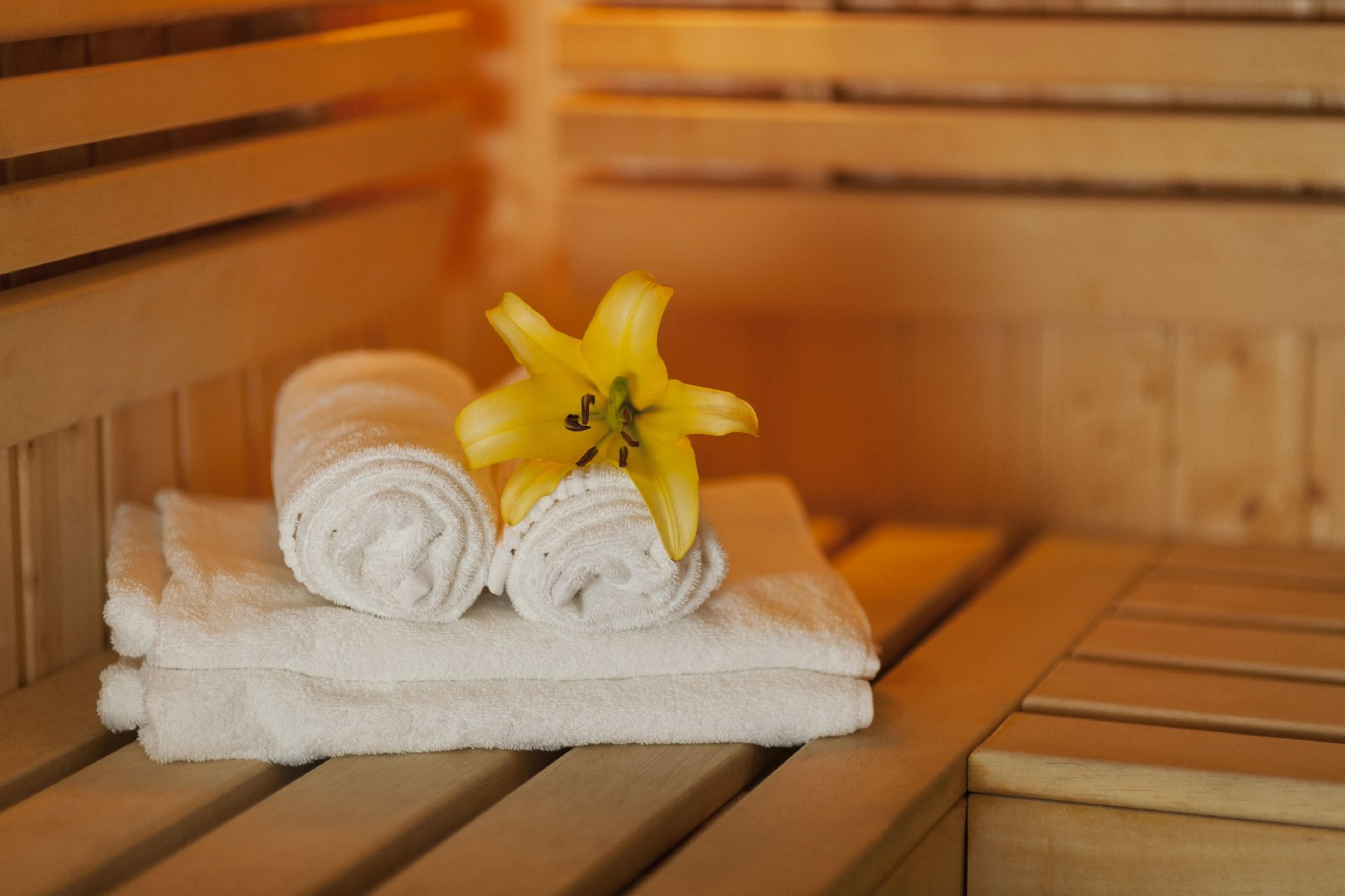
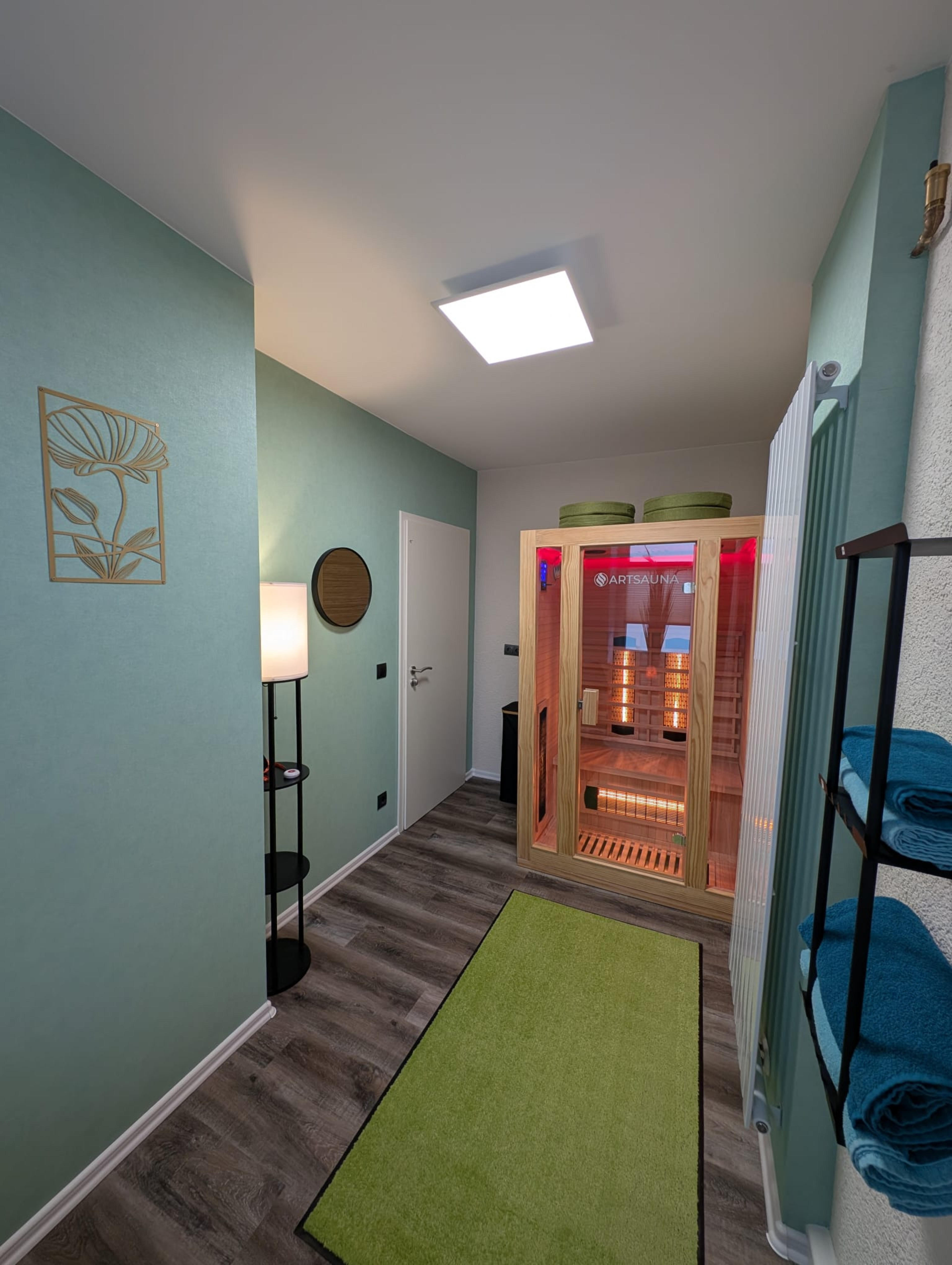
A classic spa environment focuses on luxury and sensory comfort. You will find saunas, steam rooms, and various types of pools. The services are usually menu-based, allowing you to choose individual treatments like massages, facials, or body scrubs. It is a place where you are often 'pampered.' The interaction is professional and service-oriented, designed to make you feel comfortable and cared for in the moment. It is an excellent choice for a day trip or a weekend where the primary goal is to decompress and enjoy tactile pleasures.
Hydrotherapy remains a pillar of the spa experience. From Kneipp circuits to saltwater pools, the use of water at different temperatures and mineral compositions works on your nervous system. These treatments help to lower cortisol levels and improve circulation. While these effects are beneficial, they are often temporary. A spa visit is like hitting the pause button; it gives you a breather, but it usually doesn't aim to change your lifestyle habits or dive into the underlying causes of your stress.

When comparing these three concepts, it's helpful to visualize them as levels of engagement. A spa is often about 'receiving'—you lie down and let a therapist work on your muscles. Wellness is about 'learning and doing'—you might attend a yoga class or eat a specifically prepared meal. A retreat is about 'being and transforming'—it involves a commitment to look inward.
In a wellness setting, you have more autonomy. You can choose to sleep in or join a morning hike. The atmosphere is supportive and healthy, yet it doesn't demand a specific emotional breakthrough. Many people find comfort in wellness hotels because they provide a safe middle ground. You get the professional treatments found in a spa, alongside the infrastructure for a healthier lifestyle, such as gyms and organic buffets. Choosing the right path involves honest self-reflection about how much energy you want to invest in your recovery. Sometimes, the best thing you can do is simply rest; other times, you need the structure and guidance that only a retreat can provide.
Wellness is a broader term that encompasses more than just physical relaxation. It is a proactive approach to health that integrates the body, mind, and spirit. If you choose a wellness holiday, you are looking for an environment that supports a healthy lifestyle over several days or weeks. It is less about a single treatment and more about a sustainable rhythm of living.
A wellness-oriented stay often includes access to fitness facilities, group classes, and outdoor activities. The focus here is on movement that feels good and nourishes the body rather than purely performance-oriented training. You might find yourself taking a walk in nature, joining a gentle Pilates session, or learning how to improve your posture. The goal is to give you tools that you can ideally take back into your everyday life to maintain a higher level of vitality.
Another cornerstone of wellness is nutrition. Unlike a standard holiday where food might be heavy and indulgent, a wellness retreat or hotel prioritizes balanced, nutrient-dense meals. This doesn't mean deprivation, but rather a focus on how food affects your energy levels and mood. By experiencing how good a balanced diet can feel, your relationship with your body can change. Wellness is about creating a 'buffer' of health that helps you stay resilient against the stresses of your normal routine.
The word 'retreat' literally means to withdraw. This is the most intensive of the three options. A retreat is not a holiday in the traditional sense; it is a dedicated period of time for inner work, often guided by a teacher or a specific theme. It requires a willingness to step out of your comfort zone and often involves a set schedule that all participants follow together.
While spas and wellness centers focus on comfort, a retreat focuses on growth. The intention is often to gain clarity on a specific life situation or to deepen a practice like meditation or yoga. In a retreat, the external distractions are minimized—sometimes including digital detoxes or periods of silence. This lack of distraction allows the 'noise' of your daily life to subside, making it possible to hear your own thoughts and feelings more clearly. It is a space for reflection and honest self-assessment.
In a retreat, you are usually not alone in your journey. There is a facilitator, coach, or teacher who provides a framework for the experience. This could involve workshops, group sharing, or supervised exercises that help you process emotions or learn new mental techniques. The structure provides a container where you can feel safe to explore deeper layers of yourself. Because of this focus, you often leave a retreat feeling not just 'relaxed,' but changed in some fundamental way, with new insights and a renewed sense of purpose.
To summarize the differences, we can look at three main factors: the length of time, what you focus on, and how much you have to participate. A spa visit is usually short (hours to a couple of days) and focuses on the body. Wellness is mid-term (a few days to two weeks) and focuses on a healthy lifestyle. A retreat can vary in length but focuses on intensive mental or spiritual transformation.
Choosing the right experience depends on your current capacity. If you are deeply exhausted, a highly structured retreat might be too demanding. In that case, the quiet and care of a spa or a gentle wellness holiday is better. If you feel physically fine but mentally stuck, a retreat could provide the breakthrough you need. Trust your intuition and listen to what your body and mind are asking for. There is no 'better' or 'worse' choice, only the choice that serves your well-being best at this moment.
Yes, many retreat centers have spa facilities. However, in a retreat, the spa treatments are secondary to the primary goal of inner work and transformation.
Absolutely. Wellness programs are designed to meet you where you are. They provide a supportive environment to try new healthy habits without pressure.
While weekend retreats exist, many find that at least 5 to 7 days are needed to truly 'arrive' and allow the mind to settle into a deeper state of reflection.
Not necessarily. Many retreats are focused on practical psychology, stress management, or physical practices like yoga without needing a specific belief system.
For prevention, wellness and retreats are often more effective than spas, as they address the habits and mindsets that lead to burnout in the first place.
Usually, yes. Spas often have an on-site cafe, while wellness hotels and retreats typically include specific meal plans that align with their health philosophy.