
Yoga Festivals 2026 - Your event calendar for mindful togetherness
Welcome to the world of yoga festivals – mindful events and places where community, healing and joy of life come together.
Read more

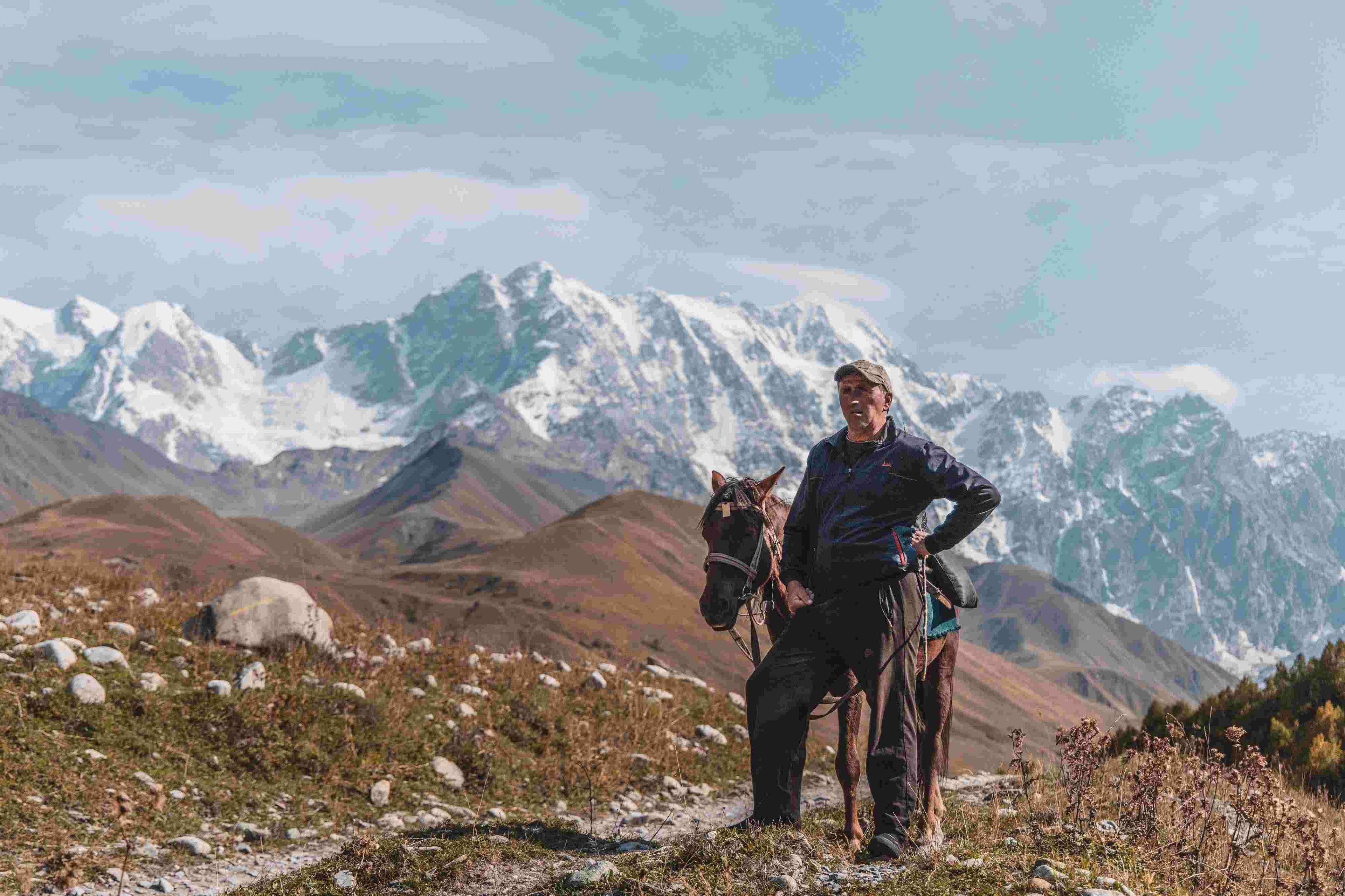
When you decide to go on a yoga retreat in the mountains, you are choosing more than just a vacation. You are choosing a conscious break from the noise of the city and the demands of modern life. In the mountains, the perspective changes. Looking up at the peaks reminds us of the permanence of nature, while looking down into the valleys helps us see our daily problems from a healthy distance. This geographical shift often leads to an internal shift, allowing for more clarity and groundedness.
In an alpine setting, the elements are palpable. You feel the wind on your skin, the warmth of the sun through thin mountain air, and the solid rock beneath your feet. Yoga is essentially about union, and there is no easier place to feel united with the world than in the untouched wilderness. During your retreat, you might find yourself practicing on a wooden deck as the morning mist rises from the valley. This connection to the earth helps you to stay present in your body and mindful of your surroundings.
One of the most profound aspects of a yoga retreat in the mountains is the quality of silence. Away from traffic and technology, the quiet is not empty; it is full of subtle sounds like the rustle of pine needles or distant cowbells. This natural silence supports the contemplative side of yoga. It makes it easier to turn your attention inward and listen to your own breath. For many participants, this silence is the most restorative part of the entire experience, providing a mental reset that is hard to find elsewhere.
The landscape itself acts as a teacher during a mountain yoga retreat. The mountains require patience and respect—qualities that are also central to a sustainable yoga practice. Whether you are a beginner or an experienced practitioner, the environment encourages a slow and steady approach. The vastness of the horizon invites your mind to expand, while the physical challenge of the terrain keeps you rooted in the present moment.
Pranayama, or the study of breath, takes on a new dimension in the mountains. The air at higher altitudes is often crisper and free from urban pollutants. Breathing deeply in this environment invigorates the nervous system and improves oxygen circulation. When you practice breathing techniques in the fresh mountain air, you might notice a sense of lightness and increased energy. This clarity of breath often translates into a clarity of thought, making your meditation practice deeper and more focused.

Living in the mountains during a retreat means adapting to a different rhythm. The day usually begins with the first light hitting the peaks, a time often referred to as the 'golden hour.' Engaging in a morning yoga session during this time helps to wake up the body gently. You might spend your afternoons hiking or simply resting by a mountain stream. This balance between activity and stillness is what makes the mountain experience so complete. It is not just about the time spent on the yoga mat; it is about how you carry that mindfulness into your walks, your meals, and your conversations. The rugged beauty of the landscape serves as a constant reminder to stay humble and grateful. You will find that the simple acts of eating, sleeping, and moving become more meaningful when performed in harmony with nature's pace. A yoga retreat in the mountains is an invitation to simplify your life for a few days and focus on what truly matters: your health, your breath, and your connection to the world around you.
The physical benefits of practicing yoga in a mountain environment are numerous. Beyond the obvious perks of fresh air, the altitude itself can have a positive effect on your cardiovascular system. When the body adapts to slightly lower oxygen levels, it becomes more efficient at transporting oxygen. Combined with the physical asanas of yoga, this can lead to improved stamina and a stronger heart. Furthermore, the mountain climate often encourages a better sleep cycle, which is crucial for physical recovery and hormonal balance.
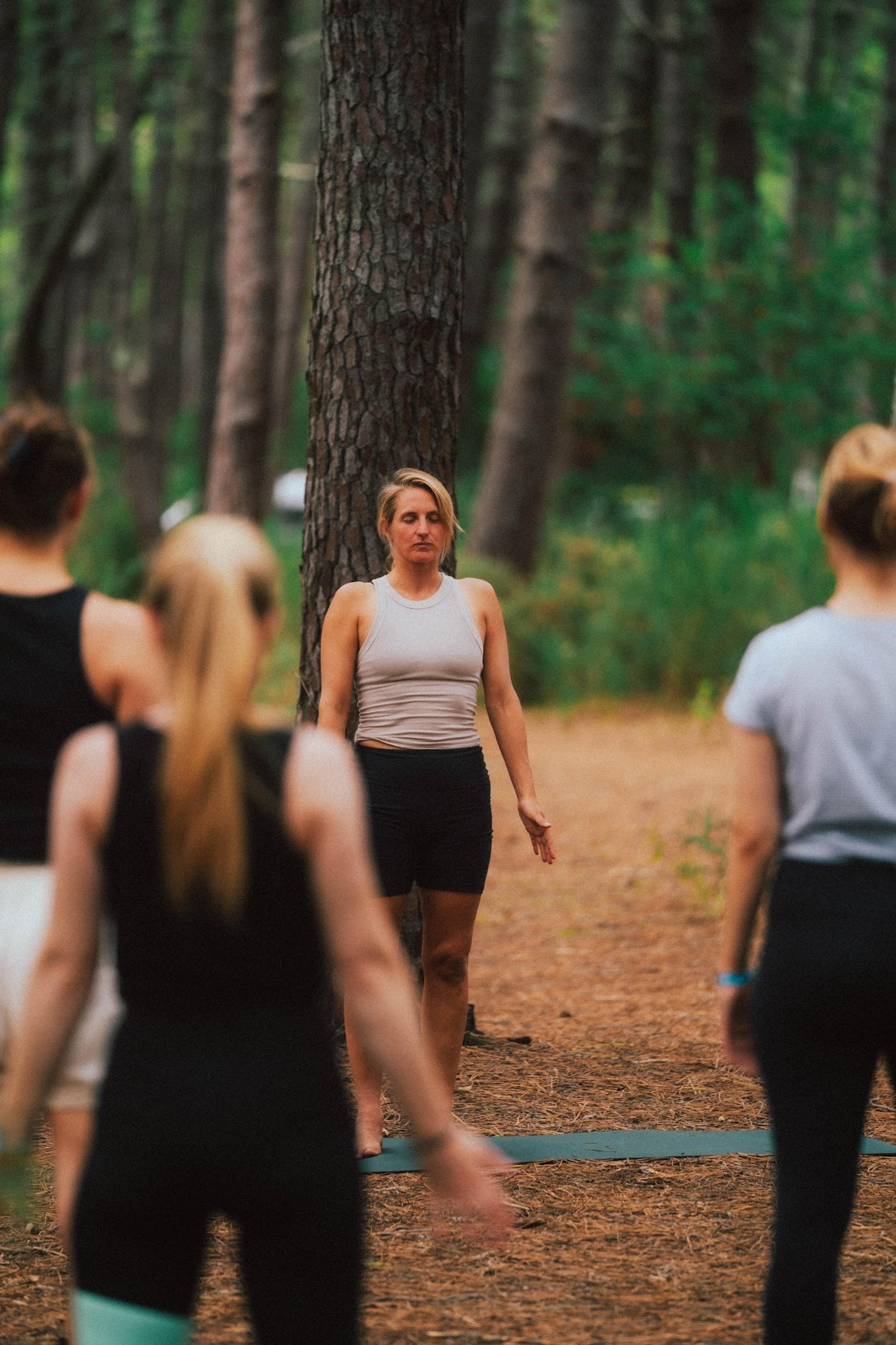
In many mountain retreats, yoga is not confined to a studio. Practicing outdoors on slightly uneven grass or stone platforms challenges your proprioception—your body's ability to sense its position in space. This naturally strengthens the stabilizer muscles in your ankles, knees, and core. Even a simple standing pose like Tadasana (Mountain Pose) becomes more meaningful when you are consciously balancing on the earth. This physical grounding translates into a sense of emotional stability that you can take home with you.
To get the most out of your yoga retreat in the mountains, a little preparation goes a long way. Because mountain weather can be unpredictable, it is important to think about your gear and your physical readiness. You don't need to be an elite athlete, but being prepared for the elements will allow you to relax into the experience without distractions. The goal is to feel comfortable and safe so that your mind can focus on the practice.
Layering is the golden rule for any mountain trip. Even in the summer, temperatures can drop significantly once the sun goes down or if a cloud passes over. Pack breathable base layers, a warm fleece, and a waterproof jacket. For your yoga practice, choose leggings or trousers that offer flexibility but also some warmth. Don't forget sturdy walking shoes or hiking boots, as many retreats incorporate mindful walking into the schedule. A reusable water bottle and sun protection are also essential, as the sun's rays are stronger at higher elevations.
Physical activity and mountain air tend to increase the appetite. Most quality retreats in the mountains focus on 'slow food'—dishes made from local, seasonal, and often organic ingredients. This type of nutrition supports the detoxifying effects of yoga. Eating food that grows in the same region where you are practicing helps your body harmonize with the local environment. Rich in nutrients and free from heavy processing, these meals provide the clean energy needed for both physical movement and mental concentration.
There are many different types of mountain retreats, ranging from rustic huts to luxury wellness hotels. Finding the one that fits your personality and goals is key to a successful experience. Ask yourself what you are looking for: Is it total seclusion, or do you enjoy the community of a larger group? Do you want a rigorous physical schedule, or a more gentle approach with plenty of time for reading and reflection?
When selecting a retreat, check the description of the yoga classes. Some retreats are designed for advanced practitioners and focus on complex poses, while others are very welcoming to beginners. In the mountains, 'level' can also refer to the intensity of the hikes included in the program. If you are not used to hiking, look for a retreat that offers gentle walks rather than steep climbs. The most important thing is that the program feels supportive rather than overwhelming, allowing you to progress at your own pace.
The true value of a yoga retreat in the mountains is revealed when you return home. The challenge is to keep the sense of peace and clarity alive amidst the busyness of everyday life. You don't need a mountain peak to practice mindfulness, but you can use the memories of the retreat as a mental anchor. Whenever you feel stressed, you can visualize the vastness of the alpine landscape and return to the steady rhythm of your breath.
One practical technique you can take home is mindful walking, often practiced during retreats as a form of 'forest bathing' (Shinrin-yoku). This involves walking slowly and engaging all your senses—noticing the colors of the leaves, the scent of the earth, and the feeling of the ground under your feet. This practice can be done in a local park or even on your way to work. It serves as a brief 'mini-retreat' that reconnects you to the calm state of mind you cultivated in the mountains.
Yes, many retreats are specifically designed for beginners. The focus is often on foundational poses and mindfulness rather than advanced acrobatics. The mountain environment itself is very welcoming to those starting their journey, as it encourages a slow and steady pace.
Most retreats are held at moderate altitudes that are safe for most people. However, it is important to stay well-hydrated and avoid overexertion on your first day. Mention any concerns to your instructor so they can adjust the intensity of the practice for you.
A basic level of fitness is helpful, especially if the retreat includes hiking. However, many programs are flexible and allow you to choose how much you want to do. The goal is wellness, not competition, so you can always listen to your body and take rest when needed.
Natural, breathable fabrics are best. It is important to dress in layers (the 'onion principle') because the temperature can change quickly. Make sure your clothes allow for a full range of motion while keeping you warm during meditation or relaxation periods.
Many retreats offer vegetarian or vegan meals because they align with the yogic principle of 'ahimsa' (non-violence) and are easier for the body to digest during intensive practice. However, this varies by location, so it is best to check the specific menu options beforehand.
Absolutely. Many people attend yoga retreats solo to focus on their personal growth. It is a very safe and supportive environment where you can choose to be alone in reflection or connect with like-minded people during group activities and meals.
Welcome to the world of yoga festivals – mindful events and places where community, healing and joy of life come together.
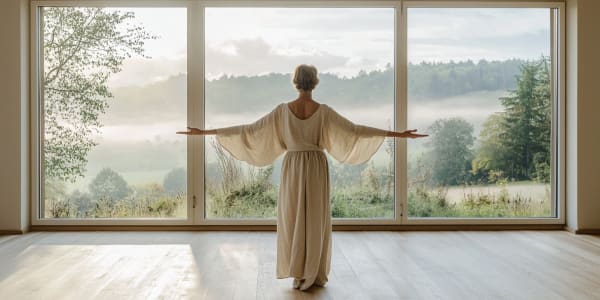
Discover how a Kundalini Yoga retreat can help you reconnect with your body and mind through conscious movement, breathwork, and peaceful reflection.