
Spa, Retreat or Wellness: Understanding the Differences for Your Well-being
Discover the subtle but important differences between a spa, a wellness holiday, and a retreat to find the perfect path for your recovery.
Read more

In our fast-paced world, finding a moment of genuine stillness can feel like a challenge. A thermal retreat therme offers you a dedicated space to slow down, breathe, and reconnect with yourself. It is more than just a spa visit; it is a conscious decision to step away from daily responsibilities and listen to what your body and mind truly need. By immersing yourself in the warm, mineral-rich waters, you allow the external noise to fade away, creating room for inner clarity and physical recovery.
When you enter a thermal retreat, the first thing you may notice is the change in pace. Everything moves a little slower. You are no longer governed by deadlines or notifications. Instead, you follow the natural flow of your breath and the soothing warmth of the water. This shift helps you find your inner rhythm, which is often lost in the bustle of everyday life. Taking the time to simply be, without any specific goal in mind, is the foundation of true relaxation and long-term health.
A significant part of a successful thermal retreat at a therme is the absence of digital distractions. By leaving your phone in the locker, you break the cycle of constant availability. This digital detox allows your nervous system to calm down. Without the blue light of screens and the pressure of social media, your brain can enter a state of deep rest. You begin to observe your surroundings—the steam rising from the pools, the soft light in the relaxation rooms, and the gentle sound of water—which grounds you in the present moment.
Thermal water is a gift from nature, enriched over centuries with minerals and trace elements deep within the earth. During a thermal retreat, your skin absorbs these minerals, which can have a profound effect on your physical health. Whether it is sulfur, magnesium, or calcium, each mineral plays a role in supporting your body's natural functions. This is why many people return to thermal baths regularly; they offer a natural, non-invasive way to maintain vitality and address minor physical discomforts.

Understanding Mineral Composition is key to appreciating a thermal retreat therme. When you soak in thermal water, your body experiences a process called 'remineralization.' Magnesium helps to support nerve function and can soothe restless legs, while calcium is vital for bone health. Sulfur, often found in traditional thermal springs, is known for its anti-inflammatory properties and its ability to soothe skin conditions. By choosing a retreat that features specific mineral profiles, you can tailor the experience to your specific health needs. It is not just about the warmth; it is about the chemical synergy between the earth's minerals and your own physiology. This natural interaction supports the immune system and promotes a sense of overall physical lightness that lasts long after you have left the water. Taking the time to understand what is in the water allows you to value each minute spent in the pool as an investment in your long-term health and resilience.
The heat of the water during a thermal retreat therme is carefully regulated to provide maximum relief for your musculoskeletal system. When your body is submerged in warm water, your blood vessels dilate, improving circulation. This increased blood flow brings more oxygen and nutrients to tired muscles, helping them to repair and relax. For those of you who spend long hours sitting at a desk or engaging in intense physical labor, this warmth is an essential tool for preventing chronic tension and stiffness.
Starting your day at a thermal retreat with intention can set the tone for the hours to follow. Instead of rushing to the most popular pool, consider starting with a quiet walk or some gentle stretching in the fresh air. Begin your water experience in a pool with a moderate temperature to gently wake up your circulation. By approaching the morning with mindfulness, you teach your body that today is about care, not performance. This gentle start helps reduce cortisol levels and prepares you for a day of deep restoration.
To get the most out of your thermal retreat therme, it is helpful to have a flexible plan. While you should avoid a rigid schedule, having a general flow for your day ensures you don't feel overwhelmed by the choices available. A balanced day might include alternating between warm water soaks, periods of resting in a lounge chair, and perhaps a gentle walk in the surrounding nature. The goal is to create a rhythm that feels supportive and nourishing, rather than another list of tasks to complete.
As the day at the therme comes to a close, your focus should shift toward preparing for a restful night's sleep. The transition from the warm environment of the pools back to the outside world should be handled with care. Consider a final soak in a slightly cooler pool to stabilize your body temperature. After dressing, spend twenty minutes in a quiet relaxation area, wrapped in a warm robe, allowing your body to integrate the benefits of the day. This practice ensures that the relaxation you've achieved isn't lost the moment you step out the door.
Beyond the physical advantages, a thermal retreat therme offers significant psychological relief. The weightlessness felt in the water translates to a feeling of mental lightness. Hydrotherapy has been used for centuries to treat symptoms of stress and mild anxiety. The repetitive, gentle movement of water against the skin has a grounding effect, helping to quiet a racing mind. This mental space is where true reflection can happen, away from the demands of work and social expectations.
A true retreat shouldn't end when you leave the therme. One of the most valuable aspects of your time away is learning which habits you can take home with you. This might be the practice of taking ten minutes each morning for quiet reflection, or the realization that you need one evening a week without any digital devices. By observing how good you feel during your retreat, you can become more motivated to integrate small, manageable wellness practices into your daily life, ensuring that the calm you found continues to support you in the weeks ahead.
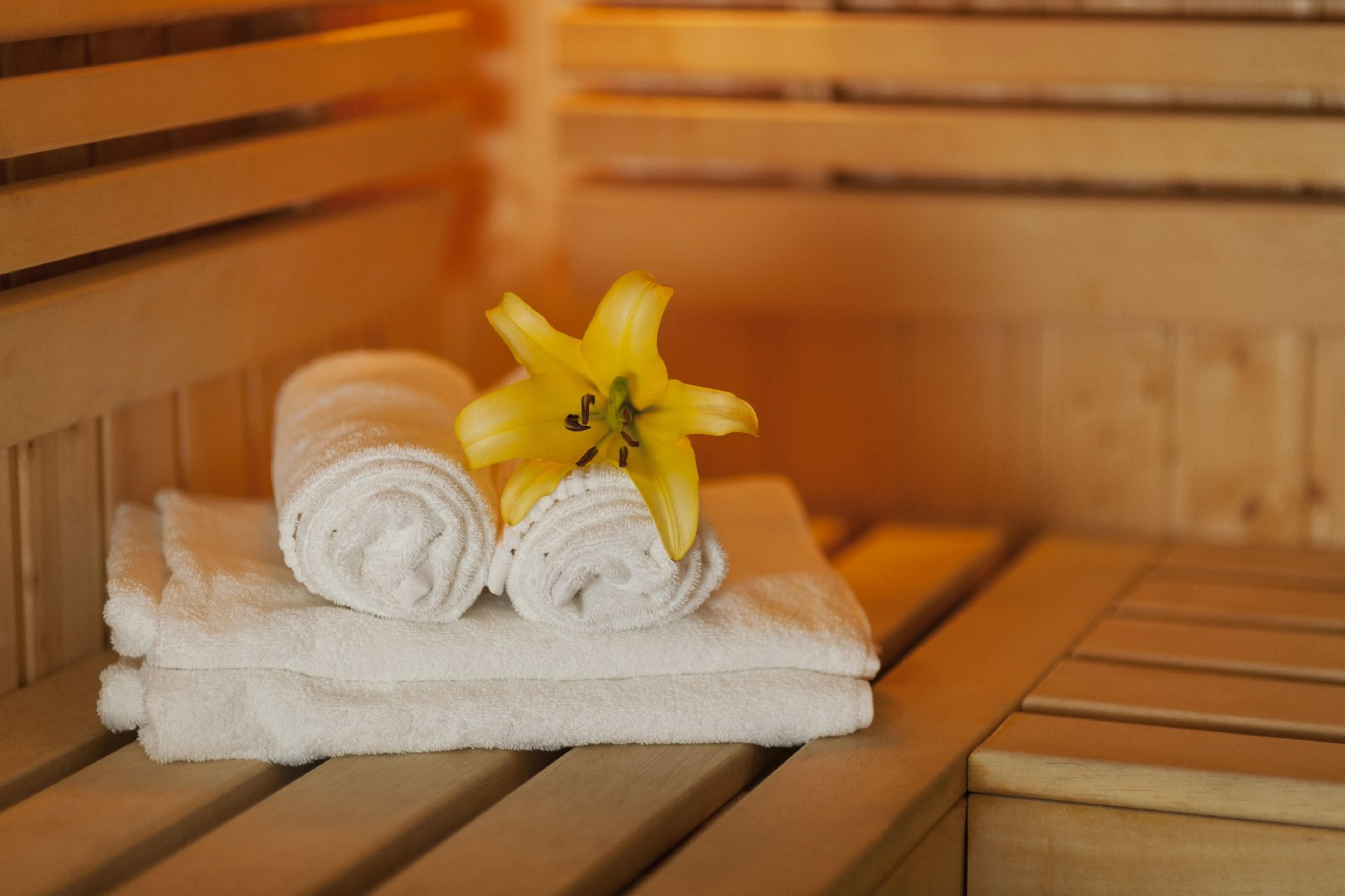
If you are new to the concept of a thermal retreat therme, a little preparation goes a long way in ensuring your comfort. Bringing two towels and a comfortable bathrobe is a simple but effective way to stay warm between sessions. It is also important to stay hydrated; while being in the water is hydrating for the skin, the heat can cause your body to lose fluids. Drinking plenty of fresh water throughout the day will prevent headaches and keep your energy levels steady.
While many thermal retreats are designed for quiet, some areas can be busier than others. To maintain your sense of calm, look for 'silent zones' or 'adults-only' sections if they are available. If you find yourself in a crowded area, try to focus your attention inward. Close your eyes and concentrate on the sensation of the water or the rhythm of your breathing. By practicing this internal focus, you can maintain your sense of retreat regardless of how many people are around you. It is a valuable skill that serves you well both in the therme and in the outside world.
In our society, silence is often overlooked, yet it is a powerful healer. During a thermal retreat therme, silence allows your brain to process information and emotions that are often pushed aside. Many thermal facilities encourage a quiet atmosphere, particularly in the saunas and relaxation rooms. Embracing this silence, rather than trying to fill it with conversation or music, can lead to deep insights and a profound sense of peace. It is in the quiet moments that we often find the answers we have been looking for.
While even a few hours can be beneficial, a stay of 2 to 3 days is ideal for allowing your nervous system to fully reset and for your body to absorb the mineral benefits of the water.
Most people can enjoy thermal water, but if you have heart conditions, high blood pressure, or are pregnant, you should consult with your doctor before visiting a thermal retreat.
Thermal retreats are enjoyable year-round. In winter, the contrast between the cold air and warm water is invigorating, while in summer, the pools provide a relaxing way to cool down and de-stress.
Absolutely. Visiting alone can often enhance the retreat experience, as it allows you to follow your own needs and schedule without needing to compromise with others.
Most areas require standard swimwear. In relaxation zones, a comfortable bathrobe is standard. Some specialized sauna areas may have specific 'no-clothing' rules, so it is best to check the facility's guidelines.
It is recommended to spend 15-20 minutes in the hot thermal pools at a time, followed by a rest period of at least the same duration to allow your circulation to stabilize.