The Essence of an Ayurveda Retreat Panchakarma
In our fast-paced world, it is easy to lose touch with your natural rhythm. You might feel a sense of persistent fatigue, digestive discomfort, or simply a mental fog that won't lift. This is where an Ayurveda retreat centered around Panchakarma offers a profound opportunity to pause. The term Panchakarma comes from Sanskrit, where 'Pancha' means five and 'Karma' means actions. It is a traditional cleansing process designed to remove accumulated toxins and restore the delicate balance of your Doshas—Vata, Pitta, and Kapha.
What Is Panchakarma Exactly?
At its core, Panchakarma is more than just a detox. It is a biological reset. Unlike modern juice cleanses that often only touch the surface, these five actions work on a cellular level. By participating in a dedicated retreat, you allow your body the necessary time to mobilize fat-soluble toxins that have settled in your tissues over years. Through systematic oil treatments, heat therapies, and specific dietary adjustments, these impurities are guided toward your digestive tract to be gently eliminated.
Why Choose a Professional Retreat Setting?
While you can incorporate small Ayurvedic habits at home, a full Panchakarma requires a protected space. In a retreat environment, you are removed from the daily stressors that contribute to your imbalance. You are guided by experienced practitioners who tailor every treatment to your unique constitution. This professional oversight ensures that the cleansing process is safe, effective, and supportive of your nervous system, allowing you to go much deeper into the healing process than you ever could alone.
Understanding the Five Actions of Panchakarma
The traditional pillars of this therapy are designed to address different channels of the body. Each action serves a specific purpose in harmonizing your internal environment. It is important to remember that not every person needs all five treatments; a qualified Ayurvedic physician will determine which paths are right for you based on your current state of health and your long-term goals.
Vamana: The Therapeutic Cleansing
Vamana focuses primarily on the upper respiratory and digestive systems. It is aimed at balancing the Kapha Dosha, which can accumulate as mucus or congestion. Through a controlled process, the body is encouraged to release heavy, stagnant energy. This often results in a feeling of lightness in the chest and a significant increase in mental clarity, as the 'heaviness' of the Kapha influence is subsided.
Virechana: Releasing Internal Heat
Virechana is a purification therapy focused on the Pitta Dosha and the small intestine. If you experience inflammatory conditions, skin issues, or excessive acidity, this treatment is particularly beneficial. It involves the use of specialized herbs to clear the liver and gallbladder. By cooling the internal fire, you may find that not only does your digestion improve, but your emotional state becomes calmer and less prone to irritability.
Preparing Your Body and Mind for the Journey
The success of your Panchakarma doesn't start on the first day of the retreat; it starts in the weeks leading up to it. Preparation, known as Purvakarma, is essential because it softens the toxins (Ama) and prepares them for movement. If you jump into a deep cleanse from a state of high stress and poor diet, the process can be jarring for your system. Gentle preparation ensures a smooth transition.
The Internal Preparation Phase
In the days before your arrival, you might be asked to simplify your diet. Reducing caffeine, alcohol, and processed sugars allows your liver to breathe. In many cases, you will begin taking small amounts of ghee (clarified butter) or specific oils. This internal oleation lubricates your channels, making it easier for toxins to slide toward the exit points. It is a slow, methodical process that honors the body’s pace.
The Importance of Rest Throughout
One of the hardest things for many of us is to do nothing. However, during an Ayurveda retreat Panchakarma, rest is considered a primary 'treatment.' When your body is busy detoxifying, it has less energy for external activities. You will be encouraged to sleep when you feel tired, to limit screen time, and to avoid loud environments. This radical rest allows your energy to be redirected inward, where the most important work is happening.
The Three Phases of a Panchakarma Retreat
A structured retreat is typically divided into three distinct stages: the preparation (Purvakarma), the main treatments (Pradhanakarma), and the rejuvenation (Paschatkarma). Understanding this flow helps you navigate the ups and downs of the experience. Each phase is necessary to ensure that the body is not just emptied of toxins, but refilled with vitality.
Basti: Supporting the Root
Basti is often considered the most important of all Ayurvedic treatments because it manages the Vata Dosha. Vata is responsible for movement and the nervous system. Through gentle herbal enemas, Basti cleanses the colon and nourishes the deeper tissues. Since the colon is the primary seat of Vata, balancing this area can help with issues ranging from joint pain and constipation to anxiety and insomnia. It provides a grounded, stable foundation for your health.
Nasya: Clarity for the Senses
The nose is seen as the gateway to the brain and consciousness. Nasya involves the administration of medicated oils through the nostrils. This treatment is excellent for clearing the sinuses, improving sleep quality, and calming the mind. Many guests find that Nasya helps release 'mental toxins'—the repetitive thoughts or worries that keep us stuck. It clears the path for intuition and better sensory perception.
The Role of Nutrition During Your Detox
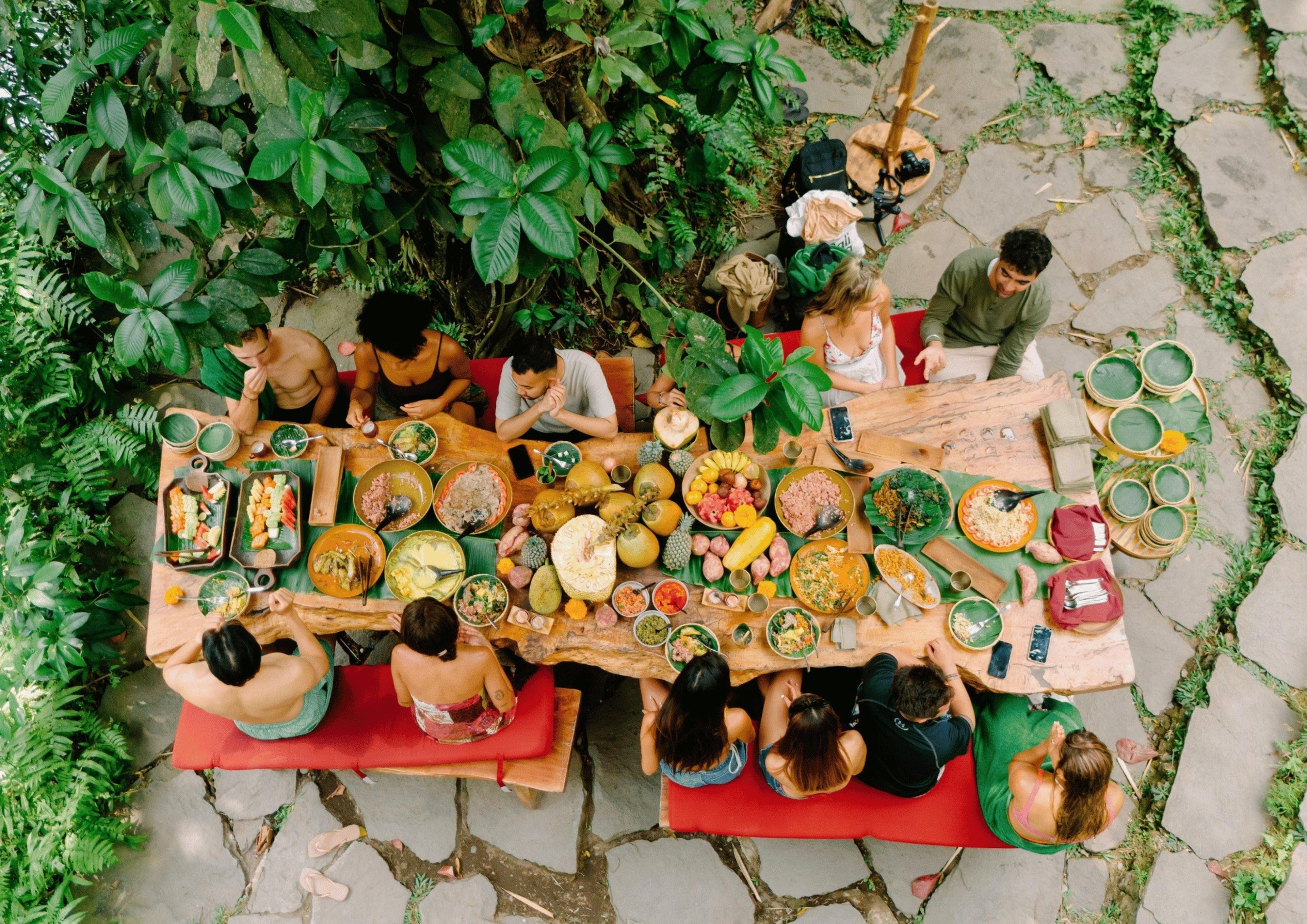
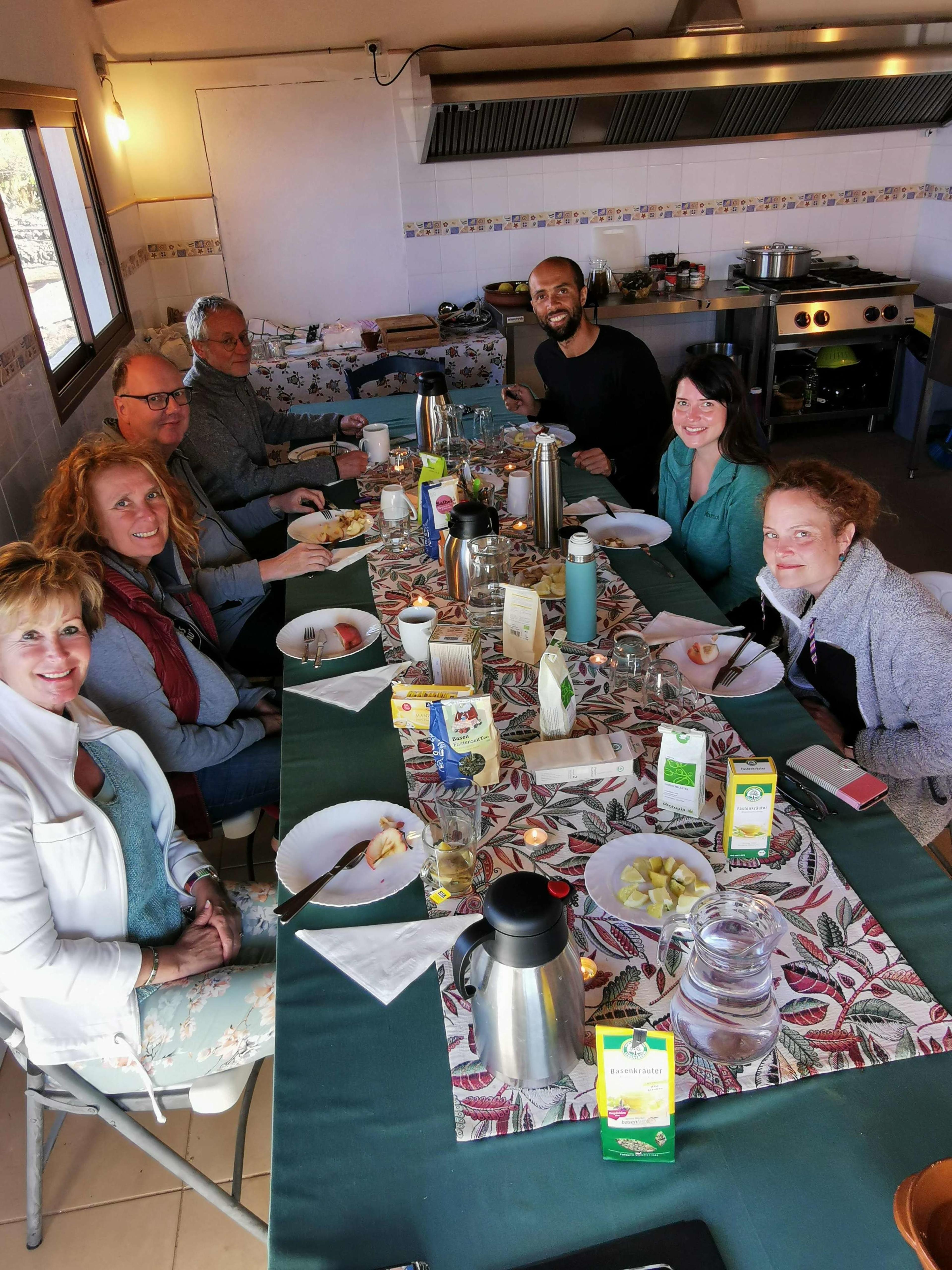
Nutrition during a Panchakarma retreat is quite different from a standard diet. It is not about deprivation, but about digestibility. The goal is to give your digestive fire (Agni) a rest so it can focus on burning through impurities. The food is typically warm, liquid or semi-solid, and flavored with carminative spices like cumin, ginger, and turmeric.
Warm Foods and Their Healing Properties
During the retreat, you will likely eat a lot of Kitchari—a simple, nourishing dish made of mung beans and basmati rice. It is considered a complete protein but is incredibly easy to break down. By eating warm, cooked foods, you support your body’s thermoregulation. Cold or raw foods require too much energy to digest, which would distract from the detoxification process. These meals are designed to soothe the gut lining and provide steady, sustained energy.
The Power of Herbal Supplements
Alongside the food, you will receive specific herbal tea blends and supplements. These are not 'magic pills' but botanical supports designed to stimulate specific organs. Triphala may be used to support the bowel, while Ashwagandha might be given to strengthen the adrenal system. These herbs work in synergy with the treatments and the diet to create a comprehensive healing effect that permeates every layer of your being.
Sustaining the Benefits in Your Daily Life
The true measure of a successful Ayurveda retreat Panchakarma is how you feel three months after you return home. The final phase, Paschatkarma, involves slowly reintroducing more complex foods and activities. This is a delicate time where your 'Agni' is like a small candle flame that needs to be carefully shielded and fed so it can grow into a strong, steady fire.
Gentle Movement and Yoga Support
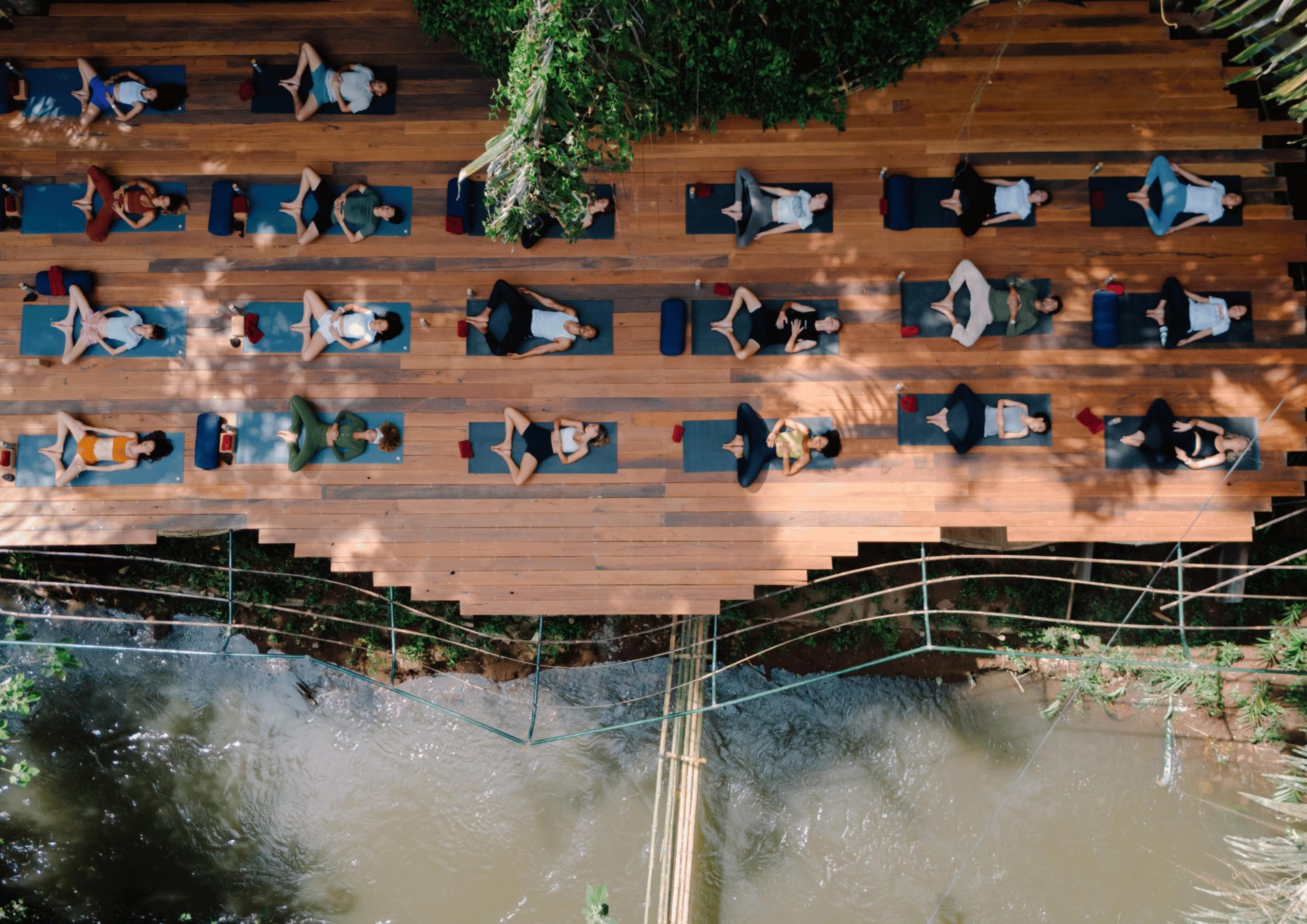
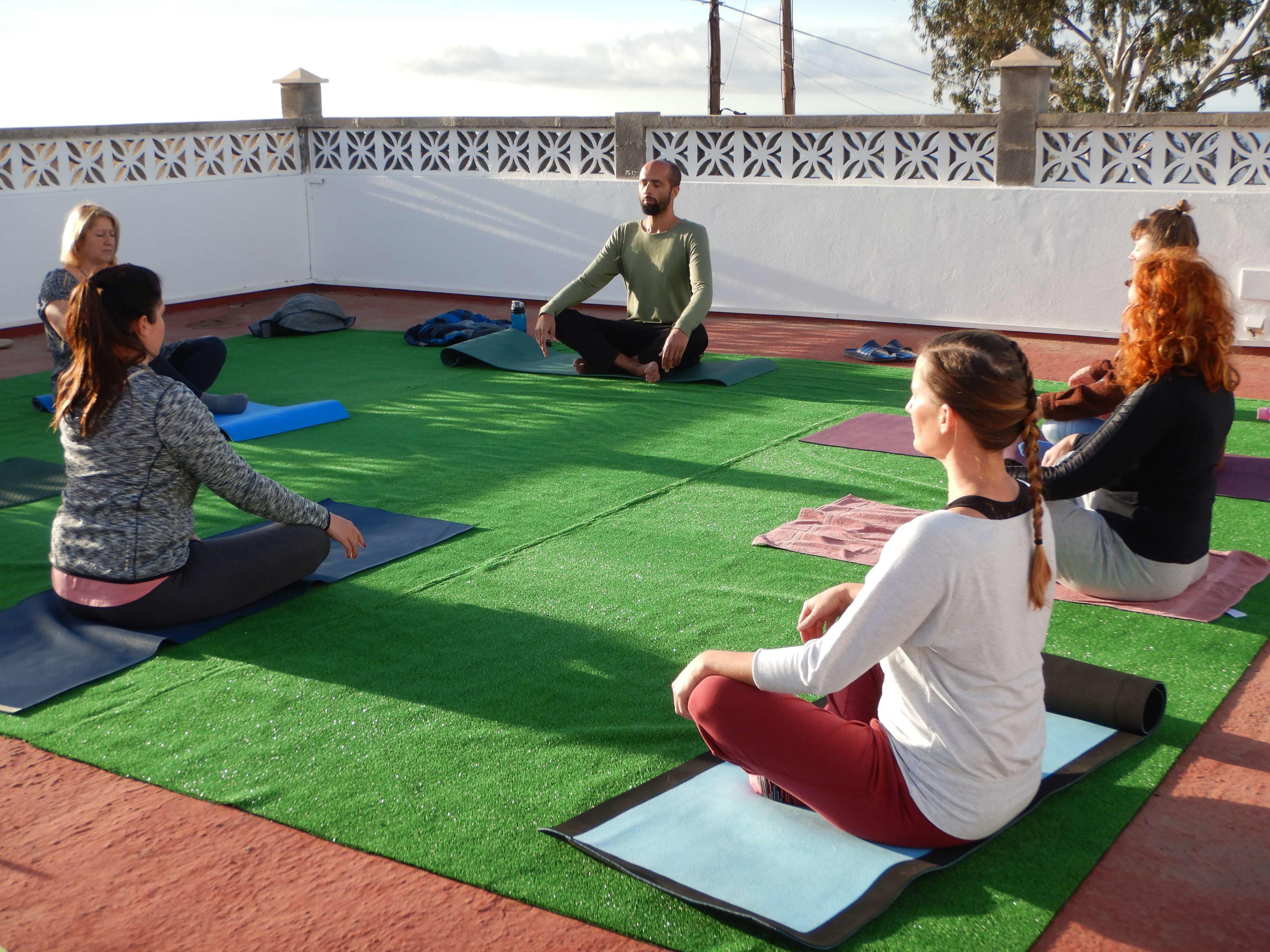
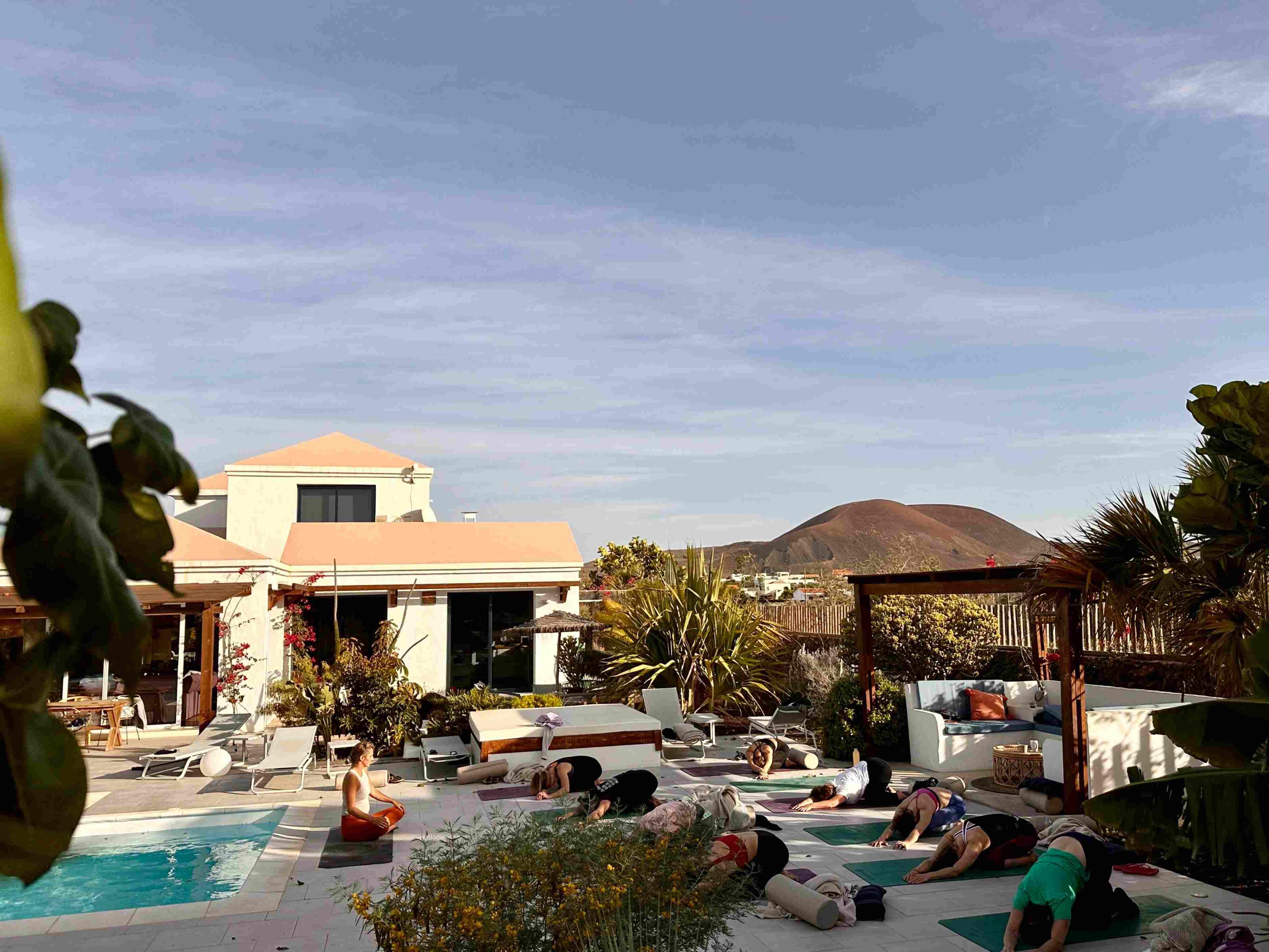
While intense exercise is avoided during the retreat, gentle movement is encouraged as you transition back. Restorative yoga, pranayama (breathing exercises), and walking in nature help to circulate your newly purified blood without overtaxing your system. These practices also help you stay connected to the sense of calm you cultivated during the retreat, making it easier to handle the demands of your regular life without immediately falling back into old patterns.
Raktamokshana: Balancing the Blood
In certain traditional settings and for specific conditions, Raktamokshana or bloodletting may be discussed, though in modern Western retreats, this is often substituted with specific herbs and lifestyle changes that purify the blood. The goal is to remove heat-born toxins that affect the skin and circulatory system. By keeping the blood 'cool' and clean, you promote long-term vitality and prevent many chronic ailments associated with inflammation.