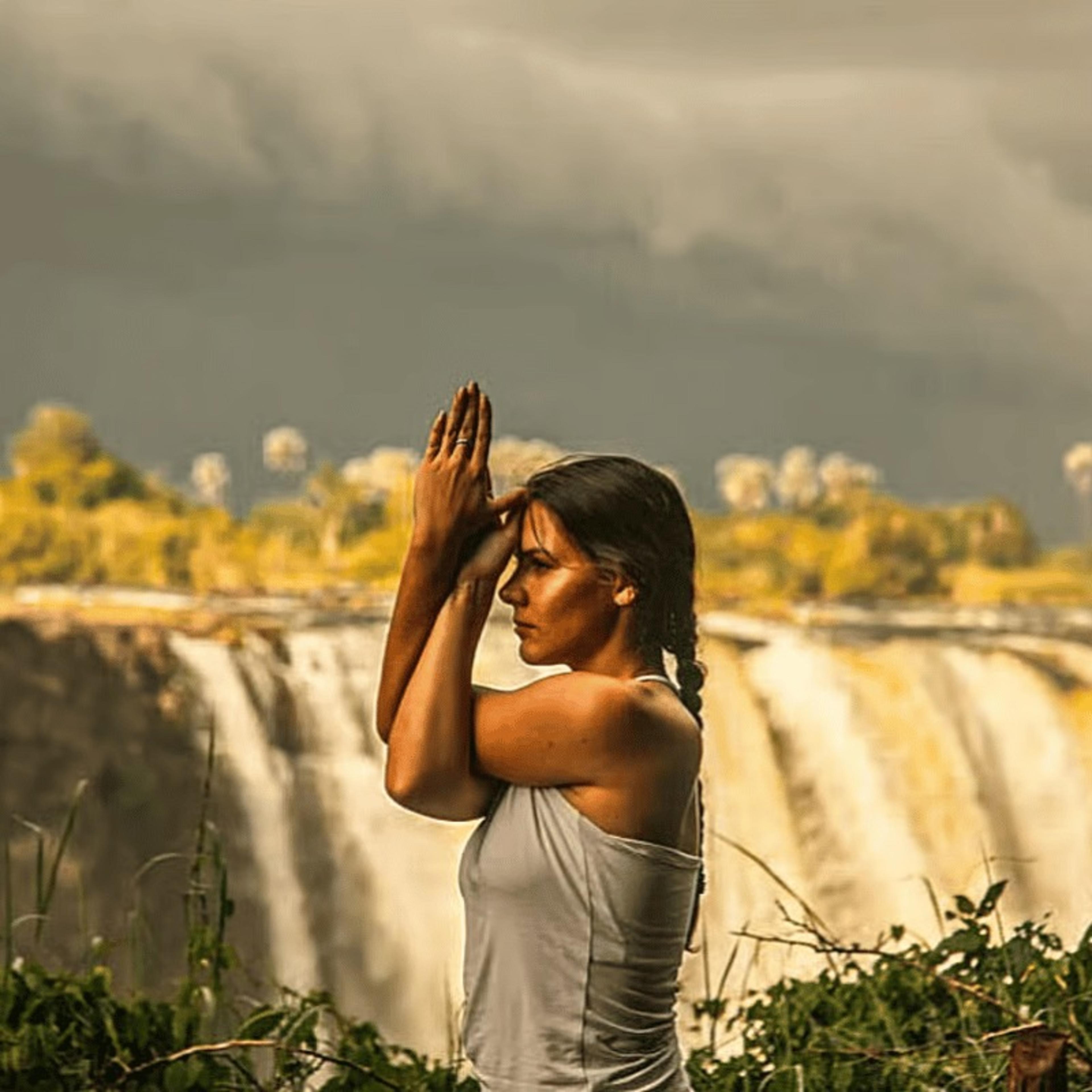
What is Retreat Burnout?
You might have experienced it before: you book a retreat to escape the stress of daily life, hoping to return refreshed and renewed. However, instead of feeling energized, you come home feeling more depleted than before. This phenomenon is often referred to as retreat burnout. It happens when the very activities meant to provide rest become another source of pressure and obligation. You find yourself rushing from a morning yoga session to a silent meditation, then to a workshop, and finally to a group sharing circle, leaving no space for your system to actually process the experiences.
The Paradox of Mandatory Relaxation
When relaxation becomes a task on a to-do list, it loses its healing power. In many modern retreat settings, there is a subtle pressure to 'make the most' of the time and money invested. This can lead to a state of hyper-vigilance where you are constantly checking the clock to ensure you don't miss the next healing modality. Instead of listening to what your body needs in the moment—which might be a nap or a quiet walk—you follow a rigid schedule that mirrors the productivity-driven life you were trying to escape.
The Risk of Over-Scheduling Your Silence
Silence and stillness are powerful tools, but they can be overwhelming if pushed too hard. Retreat burnout often stems from an itinerary that is too packed. If every hour is filled with deep emotional work or intense physical practice, the nervous system doesn't have the opportunity to return to a baseline of safety. It stays in a state of high arousal, disguised as spiritual growth or personal development.
Expectation vs. Reality in Wellness
We often enter a retreat with high expectations. We want a breakthrough, a profound realization, or a total physical transformation. When these results don't manifest immediately, frustration sets in. You might try harder, meditate longer, or push yourself further into poses, thinking that more effort equals more peace. In reality, inner peace is often found in the margins—in the unplanned moments between the sessions where you simply breathe without an agenda.
How to Identify the Signs of Fatigue
Understanding when you are reaching a point of burnout is crucial. It isn't always a sudden collapse; often, it starts with small signals. You might notice a sense of resentment toward the schedule or the facilitators. You may feel physically heavy, experience headaches, or find that your mind is racing even more than usual despite the quiet environment. Acknowledging these signs early can help you pivot before the fatigue becomes deep-seated.
Physical Symptoms of Emotional Overload
Our bodies often speak louder than our minds. When you are doing too much 'inner work,' your nervous system can become overstimulated. This might manifest as disrupted sleep, digestive issues, or a general feeling of being 'wired but tired.' These are clear indicators that your system needs less input and more integration time. It is a sign to stop seeking and start simply being.
The Role of Social Exhaustion
Many retreats involve group dynamics that can be draining for sensitive individuals. The constant interaction, group meals, and shared living spaces can contribute significantly to retreat burnout. Even if the people are kind and supportive, the lack of true privacy can prevent you from fully relaxing. Recognizing your need for social boundaries is a vital part of protecting your energy during any wellness program.
The Pressure to Heal Quickly
We live in a culture that values speed and efficiency. Unfortunately, this mindset often bleeds into our spiritual and emotional lives. We want to 'fix' ourselves in a weekend. This pressure creates a tense atmosphere where true healing—which is often slow and non-linear—cannot take place. When we force growth, we often end up exhausted.
Quality Over Quantity in Practice
One hour of mindful, slow movement is often more beneficial than five hours of intense exercise performed with a distracted or stressed mind. The same applies to meditation. If you are sitting in pain and frustration for hours, you aren't cultivating peace; you are practicing endurance. Learning to value the quality of your presence over the quantity of hours spent on a cushion is a key step in avoiding the burnout cycle.
Creating a Sustainable Path to Inner Peace
To avoid retreat burnout, we must change how we approach these experiences. It starts with choosing programs that prioritize free time and flexibility. A good retreat should feel like an invitation, not a requirement. It should offer you the tools to listen to your intuition rather than imposing a strict external structure on your internal process.
Gentle Movement Instead of Rigorous Schedules
If you feel tired, perhaps a vigorous Vinyasa class isn't what you need. A gentle restorative practice or a slow walk in nature might serve you better. By choosing movement that nourishes your nervous system rather than challenging it, you build resilience rather than depletion. This gentle approach fosters a sense of trust between your mind and your body.
Integration: The Missing Piece of the Puzzle
The most important part of any retreat happens after it ends. Many people jump straight back into a 60-hour work week or a chaotic family schedule the day after returning. This sudden shift often causes a 're-entry crash,' which is a major component of retreat burnout. Integration is the process of slowly weaving the insights and calm you found into your daily life.
The Transition Back to Daily Life
Ideally, you should leave a buffer day between the retreat and returning to work. Use this time to do nothing. Don't check your emails immediately. Let the experiences settle. If you felt a sense of peace during a walk at the retreat, try to find a place in your neighborhood where you can walk for ten minutes in a similar way. Integration doesn't mean changing your entire life; it means bringing small, sustainable qualities of the retreat into your existing routine.
Building a Supportive Routine at Home
The best 'retreat' is one that empowers you to care for yourself every day. Instead of relying on a yearly intensive event to save you from burnout, focus on building small pockets of stillness into your weekly schedule. This prevents the 'peak and valley' cycle where you burn out, go to a retreat, feel slightly better, and then burn out again. Consistency and gentleness are the keys to long-term well-being.