
Basenfasten Retreat: A Gentle Path to Balance and Vitality
Experience how a Basenfasten retreat can help you reset your body and find inner peace through alkaline nutrition and mindful living.
Read more

Entering a saftfasten retreat is an invitation to pause. It is a conscious choice to step away from the complexities of modern dietary habits and the constant noise of daily life. During this time, you replace solid meals with high-quality, cold-pressed vegetable and fruit juices. This process is not about deprivation, but rather about providing your digestive system with a much-needed break while still receiving essential vitamins and minerals. When you arrive at a retreat, you are often greeted by a calm environment designed to support your journey, allowing you to focus entirely on your well-being without the distractions of grocery shopping or meal preparation.
In a saftfasten retreat, the quality of the juice is paramount. Unlike pasteurized store-bought options, the juices provided are usually freshly pressed to preserve enzymes and nutrients. These juices serve as a gentle source of energy that doesn’t require heavy lifting from your digestive organs. By consuming these liquids, your body can redirect energy that would normally be used for digestion toward cellular repair and internal balance. It is a way of nourishing yourself that feels light yet sustaining, helping you maintain a steady level of energy throughout the day without the typical 'slumps' associated with heavy meals.
While the physical aspect of fasting is significant, the mental shift is equally important. When we stop focusing on what to eat next, our minds often become clearer. A retreat provides the structure to explore this clarity. You might find that your thoughts become more organized, and your ability to focus improves. This headspace allows you to reflect on your relationship with food and other habits. It is a time for quiet contemplation, perhaps accompanied by journaling or simply sitting in silence, watching the natural world around you. This mental decompression is a cornerstone of the retreat experience, offering a sense of peace that is hard to find in a busy schedule.
Many people turn to a saftfasten retreat to address feelings of sluggishness or to simply feel more 'at home' in their bodies. The benefits of liquid fasting are multifaceted, affecting both your physiology and your psychological state. Physically, many participants report a feeling of lightness and improved skin clarity. Since the body isn't processing complex fats and proteins, inflammation markers often decrease, and the natural detoxification pathways of the liver and kidneys are supported. It is a period of internal house-cleaning that leaves many feeling refreshed from the inside out.
During a fast, the body undergoes a shift in how it manages energy. By reducing the caloric intake and simplifying the nutrients, you encourage your metabolism to become more flexible. This doesn't mean your metabolism 'slows down' in a negative way; rather, it learns to operate more efficiently. A retreat setting ensures that you are doing this safely, providing enough nutrients to keep you safe and active while still achieving the goals of the fast. This metabolic 'reset' can be a wonderful starting point for those looking to change their long-term eating habits or break through a plateau of persistent fatigue.

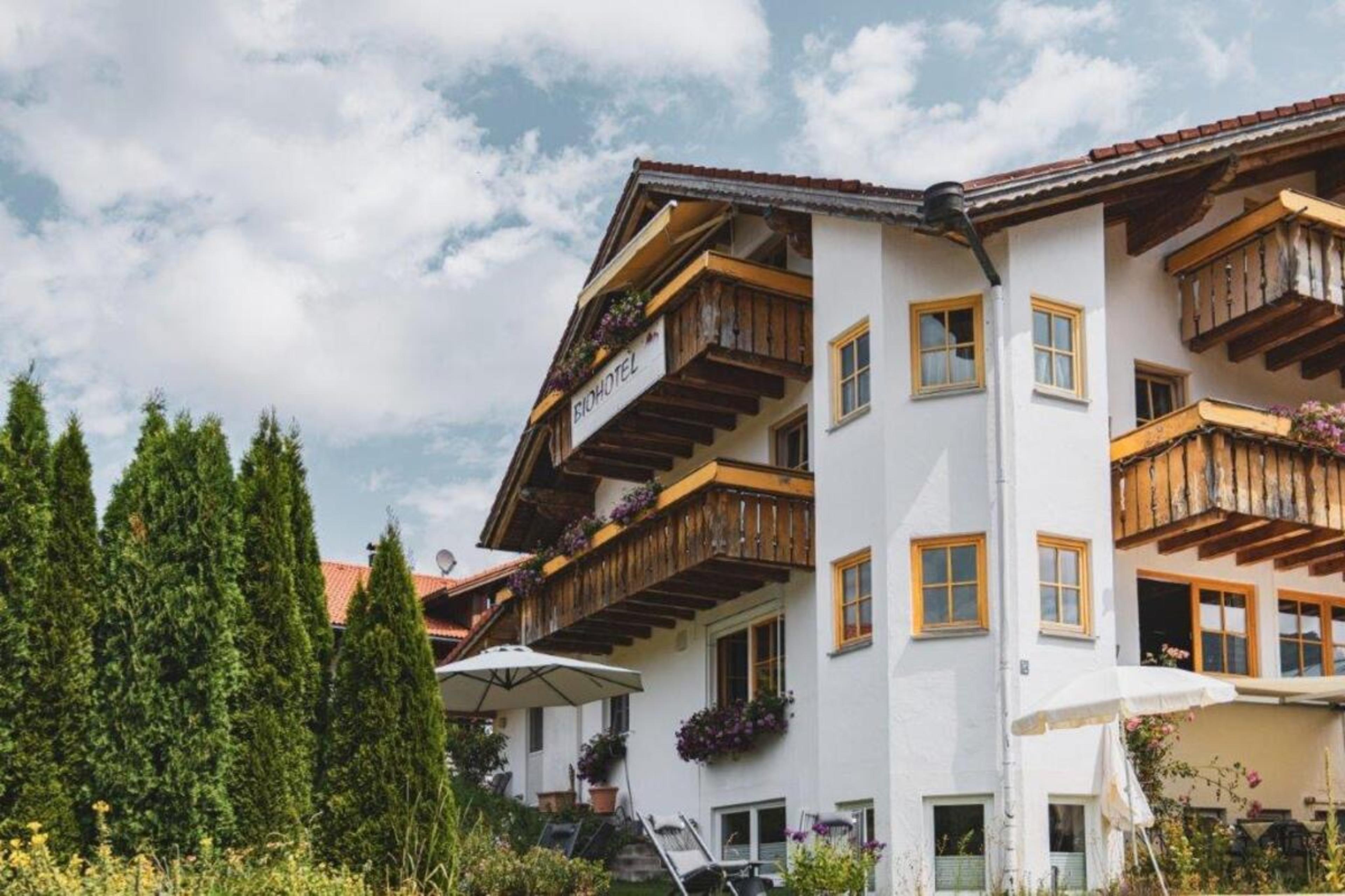
The environment of a retreat plays a vital role in your success. Imagine waking up to the soft light of dawn, knowing that your only responsibility for the day is to care for yourself. A saftfasten retreat usually takes place in a quiet, natural setting—perhaps near a forest, the sea, or in the rolling countryside. This connection to nature serves as a mirror for the internal process of fasting. Just as nature has its seasons of rest and regrowth, your body uses this time to shed what is no longer needed and prepare for a new phase of vitality. In this space, you are encouraged to move slowly, breathe deeply, and reconnect with the physical sensations of your body that are often ignored in the rush of everyday life. The presence of professional guidance and a community of like-minded individuals provides a safety net, making it easier to navigate the occasional challenges of fasting, such as mild headaches or fluctuations in mood, which are natural parts of the adjustment process.
The success of a saftfasten retreat often depends on how you prepare in the days leading up to it. Jumping straight from a diet of processed foods and caffeine into a juice fast can be a shock to the system. That is why most retreats recommend a period of 'Entlastung' or relief days. During this time, you gradually simplify your meals, focusing on whole plants and hydrating well. This preparation makes the transition into liquid fasting much smoother and minimizes potential side effects, ensuring that you can enjoy the retreat from the very first moment you arrive.
These preparation days are crucial for weaning the body off stimulants like coffee, sugar, and alcohol. If you reduce these substances slowly over three to four days before the retreat, you are much less likely to experience the 'caffeine headaches' that sometimes plague the start of a fast. You'll also start the hydration process early, which is vital for the detoxification process. By eating light meals like steamed vegetables or simple salads, you signal to your digestive system that it can begin to slow down. This psychological and physical 'winding down' is a respectful way to treat your body before asking it to undergo the deeper work of a fast.
In a saftfasten retreat, time often seems to expand. Without the structure of three cooked meals a day, you find you have more hours to fill with meaningful activity—or restorative rest. Most retreats follow a gentle rhythm that balances structure with freedom. A typical day might begin with a warm glass of lemon water or a herbal tea, followed by a light morning movement session. These rituals help to ground you and set a positive tone for the day ahead, creating a sense of safety and predictability that allows the nervous system to relax.
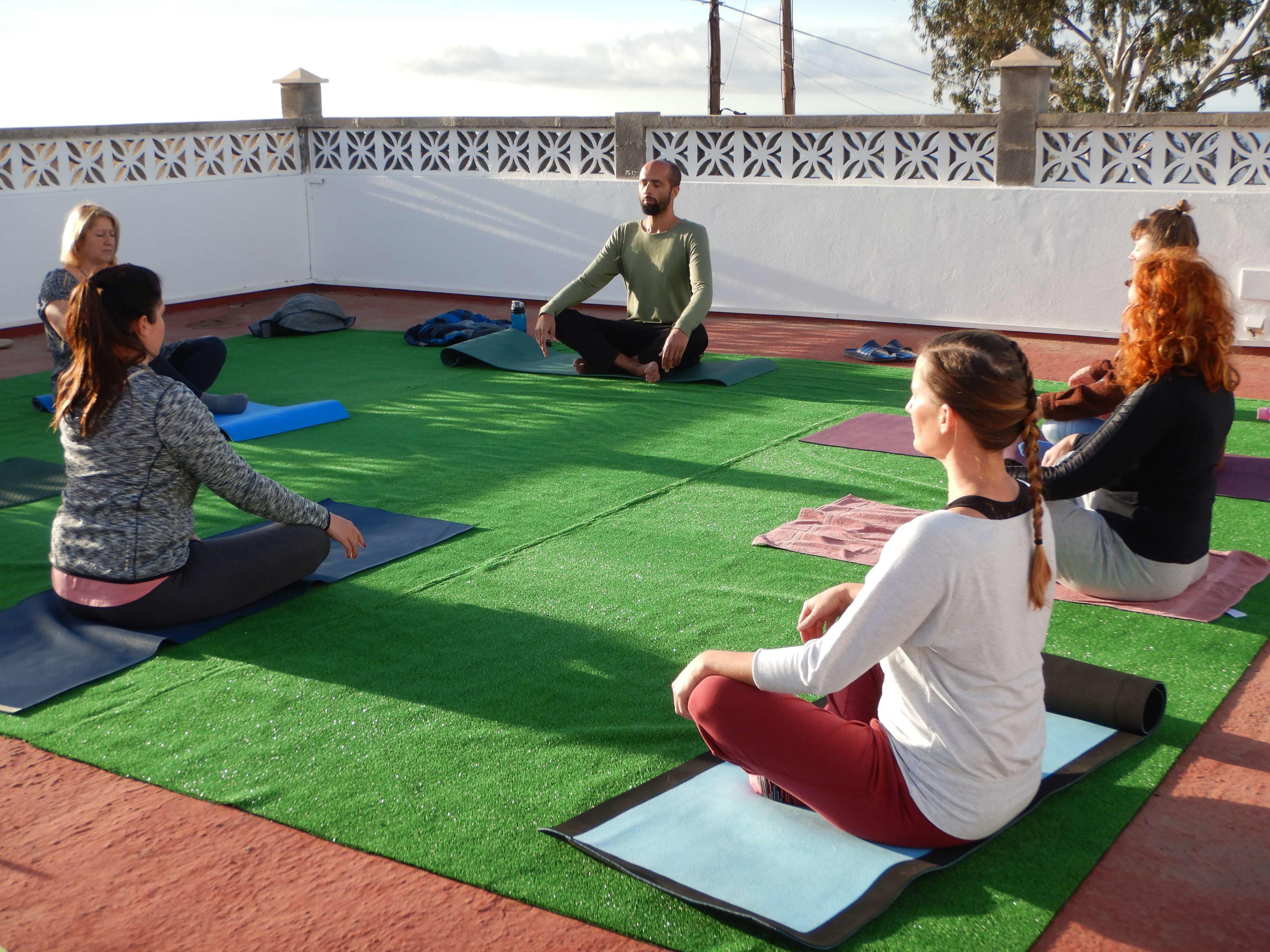
While intense exercise is usually avoided during a juice fast, gentle movement is highly encouraged. Walking in nature is perhaps the most compatible activity for fasting. It stimulates the lymphatic system, which helps transport waste products out of the body, and the fresh air provides plenty of oxygen to your cells. Many retreats offer guided walks or gentle yoga sessions. These activities are designed to keep the blood flowing and the joints mobile without overtaxing your energy reserves. You might find that your senses become more acute during these walks; the scent of the trees or the sound of birdsong may feel more vivid than usual.
One of the most critical phases of a saftfasten retreat is the 'break-fast' or 'Aufbautage'. After several days of liquid nutrition, your digestive system is in a delicate state. Reintroducing solid foods must be done with care and intention. Most retreats include a guided transition where you might start with a simple apple or a light soup. This process is about more than just digestion; it's about carry-over. You want to take the mindfulness and clarity you gained during the retreat back into your home kitchen, ensuring that the benefits of the fast last long after you've checked out.
A retreat isn't just a short-term fix; it's a learning experience. Use the time to observe how your body reacts to different juices and the absence of certain triggers like refined sugar. Many participants find that after a retreat, their taste buds are reset. Foods that once seemed bland may now taste incredibly vibrant and sweet. This is the perfect opportunity to establish new, sustainable habits. Perhaps you decide to incorporate one green juice a day into your routine, or you commit to a 'digital detox' evening once a week. The retreat provides the foundation, but the life you build afterward is where the true transformation resides.
Fasting at home is certainly possible, but it comes with challenges. The temptations of the pantry, the stress of work, and the lack of professional supervision can make it difficult to stay focused. A saftfasten retreat offers a 'protected space' where the outside world is kept at a distance. You are surrounded by people who understand the process and professionals who can answer your questions. This collective energy makes the process feel lighter and more achievable. You aren't just 'not eating'; you are participating in a holistic healing experience that addresses your physical, emotional, and mental needs in a way that is rarely possible in the hussle of home life.
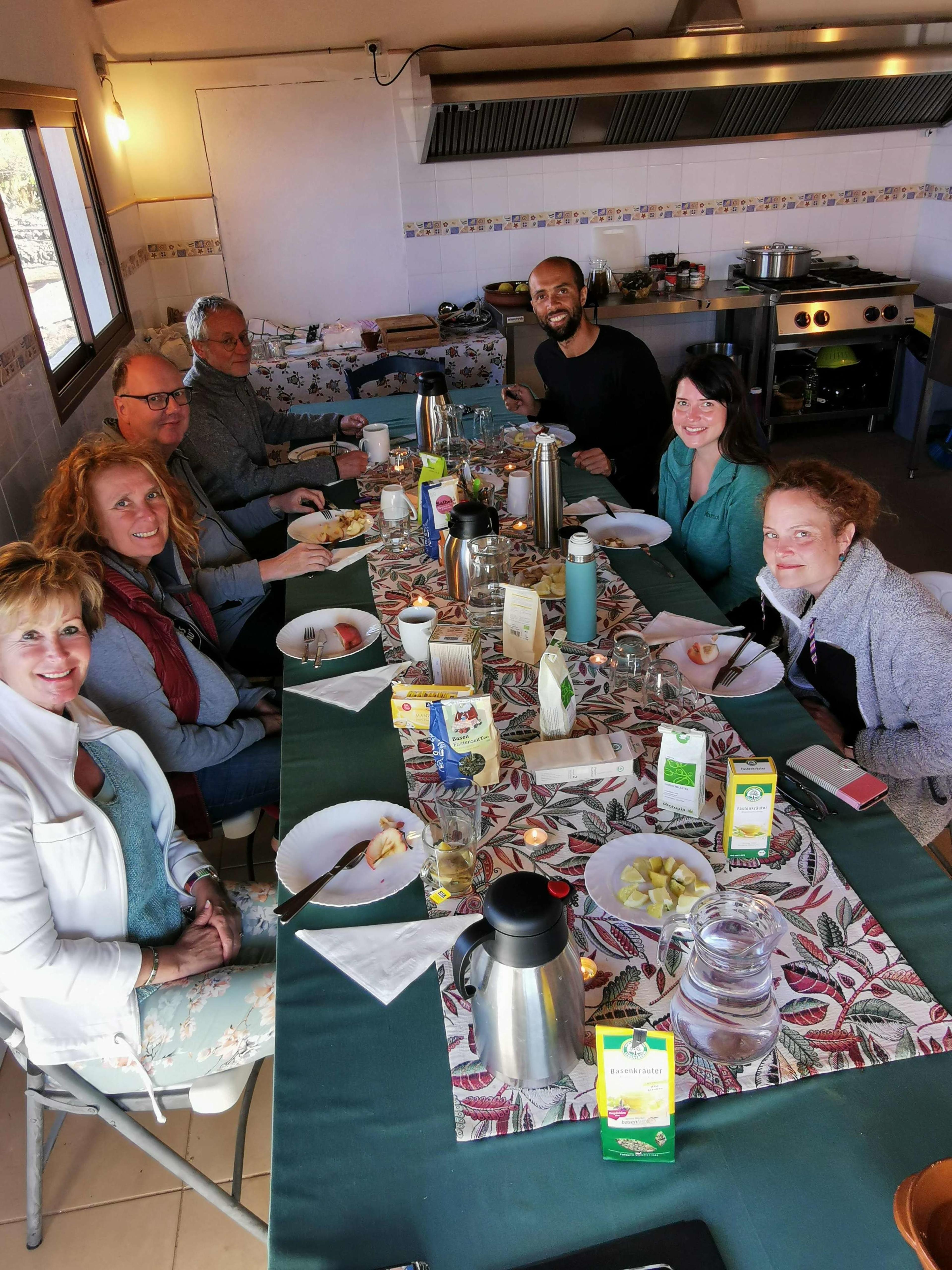
There is a unique bond that forms when people undergo a fast together. Sharing your experiences during evening tea or during a nature walk can be incredibly validating. You might find that others are experiencing similar shifts in energy or similar realizations about their lifestyle. This sense of community provides emotional support and motivation. It reminds you that you are not alone in your journey toward health. Whether you are a seasoned faster or this is your first time, the group dynamic and the expert guidance of the retreat leaders ensure that you feel seen, supported, and safe throughout the entire process.
It is natural to feel some hunger during the first day or two as your body adjusts. However, because you are receiving nutrient-rich juices, this physical hunger usually fades quickly, replaced by a sense of lightness and clarity.
Most retreats range from 5 to 10 days. This allows enough time for the body to transition into a fasting state and for the participant to experience the mental benefits of the process.
Yes, retreats are excellent for beginners. You will receive professional guidance, a structured schedule, and a safe environment, which makes the first experience much easier than trying it alone.
Comfortable, layered clothing for indoor activities and outdoor walks is essential. You might also want to bring a journal, a warm water bottle for liver wraps, and books that inspire reflection.
Some people experience mild headaches, fatigue, or mood swings during the first 48 hours as the body detoxifies. These are usually temporary and are well-managed by the retreat staff through hydration and rest.
Generally, coffee is avoided during a juice fast to give the nervous system and liver a complete rest. Most retreats offer a variety of herbal teas as a soothing alternative.
Experience how a Basenfasten retreat can help you reset your body and find inner peace through alkaline nutrition and mindful living.

This fasting app creates personalized fasting plans with recipes, daily structure and carefully coordinated exercises – suitable for everyday use and mindful.
What types of fasting are there, which duration suits you best, and when does fasting make sense? Tips for avoiding the yoyo effect and achieving lasting health