Understanding the Need for a Vata Dosha Retreat
In the fast-paced world we inhabit, it is easy to lose your footing. In Ayurveda, this sense of being ungrounded is often linked to an excess of Vata dosha. Vata is characterized by the elements of air and space. When it is in balance, you feel creative, energetic, and light. However, when it accumulates too much, it can manifest as anxiety, digestive issues, or a scattered mind. A dedicated Vata dosha retreat offers you a curated space to slow down and reconnect with the earth element, providing the stability that your system craves.
Signs of Vata Imbalance
You might notice that your mind feels like it is racing, or perhaps you struggle with falling asleep despite feeling exhausted. These are classic signs that your Vata energy is peaking. Physical symptoms often include dry skin, cold hands and feet, and bloating. When you choose to attend a retreat specifically designed for this dosha, you are acknowledging that your body needs a different rhythm. It is not just about a vacation; it is about a therapeutic shift into a state of containment and warmth. By identifying these signs early, you can take proactive steps to prevent deeper burnout.
The Power of Stillness
During a Vata-focused retreat, the emphasis is placed on minimizing movement and maximizing presence. Unlike active fitness retreats, the goal here is to soothe the nervous system. This involves gentle movements, long periods of quiet, and an environment that feels safe and enclosed. Stillness allows the agitated air element to settle. When you stop moving, your mind eventually follows. This process helps you to rediscover a sense of internal home, where you are no longer buffeted by every external change or stressor.
How Modern Life Impacts Your Vata Balance
Our current lifestyle is, in many ways, an 'excess Vata' environment. Constant travel, frequent changes in schedule, and the consumption of dry, processed foods all contribute to an internal sense of fragmentation. If you find yourself constantly checking your phone or jumping from one task to another without finishing the first, you are experiencing the erratic nature of air. A retreat serves as a necessary intervention to break these patterns and introduce a more rhythmic way of being.
Digital Detox and the Nervous System
The constant stream of information from digital devices is particularly taxing for those with a Vata constitution. The light from screens and the rapid-fire nature of social media keep the brain in a state of high alert. At a Vata dosha retreat, a digital detox is often a central component. By putting away your phone, you allow your sensory organs to rest. This rest is vital for repairing the nervous system and reducing the 'noise' that often leads to mental fatigue and decision paralysis.
Core Elements of a Grounding Retreat Experience
A true Vata dosha retreat is built on the foundations of consistency and gentleness. Every activity, from the time you wake up to the evening rituals, is designed to reduce the erratic nature of the air element. You will find that the schedule is predictable, which is incredibly healing for a nervous system that is used to chaos. This predictability allows you to stop planning and simply exist in the present moment, knowing that your needs are being cared for.
Sensory Overload and Recovery
Vata types are often highly sensitive to noise, bright lights, and strong smells. A retreat provides a 'sensory diet' that limits these inputs. Instead of high-intensity music or crowded spaces, you will experience the sounds of nature and the gentle hum of a quiet household. This reduction in sensory input allows your mind to stop processing and start reflecting. It creates a vacuum where clarity can emerge naturally, without being forced by intellectual effort.
Warmth as a Healing Tool
Warmth is perhaps the most important antidote to Vata. This applies to the climate, the water you wash with, and the food you eat. In a retreat setting, you might find yourself enjoying warm herbal baths or sitting by a fireplace. This external heat helps to liquefy congestion in the body and relax tight muscles. When the body is warm, the circulation improves, and the mind feels less anxious. It is a simple yet profound way to restore balance to a system that feels 'frozen' or stiff.
Nutrition for Vata: Warming the Body from Within
Dietary choices are a cornerstone of any Ayurvedic intervention. For Vata, the focus is on foods that are heavy, warm, and oily. This is the opposite of the light, cold, and dry snacks that many of us grab on the go. During a retreat, the meals are prepared to act as medicine, grounding your energy and nourishing your tissues at a deep level.
The Importance of Oil Treatments
While not a food you eat at the table, 'Snehana' or oil application is a form of nutrition for the skin and nervous system. Abhyanga, the Ayurvedic warm oil massage, is a staple of a Vata retreat. The oil seeps through the skin layers, providing lubrication to the joints and a protective barrier for the nerves. This treatment is often described as feeling like a 'hug' for the entire body, offering a sense of containment that many Vata-heavy individuals lack in their daily lives.
Spices and Digestion
Vata digestion, or 'Vishama Agni', is often irregular. To combat this, retreat meals incorporate carminative spices like ginger, cumin, and fennel. These spices do not just add flavor; they help to kindle the digestive fire without overheating it. By eating warm, cooked meals at regular intervals, you teach your body to expect nourishment, which reduces the physiological stress of hunger and blood sugar fluctuations. This regularity is one of the most effective ways to stabilize your mood and energy levels.
Daily Routines to Anchor Your Energy
Structure is the secret to managing Vata long-term. In Ayurveda, this is known as Dinacharya. A retreat introduces you to a rhythm that you can ideally carry home with you. By aligning your personal habits with the natural cycles of the sun, you anchor your energy in a way that prevents it from being blown away by the winds of change.
Creating Lasting Habits
The goal of a retreat is not just to feel better for a week, but to learn how to live differently. You will practice waking up at a similar time each day, performing self-massage, and engaging in calming breathwork (Pranayama). These habits act as an anchor. When your life gets busy again, these small rituals provide a touchstone of calm. They remind you that you have the power to regulate your own nervous system through simple, repetitive actions.
Finding the Right Environment for Your Recovery
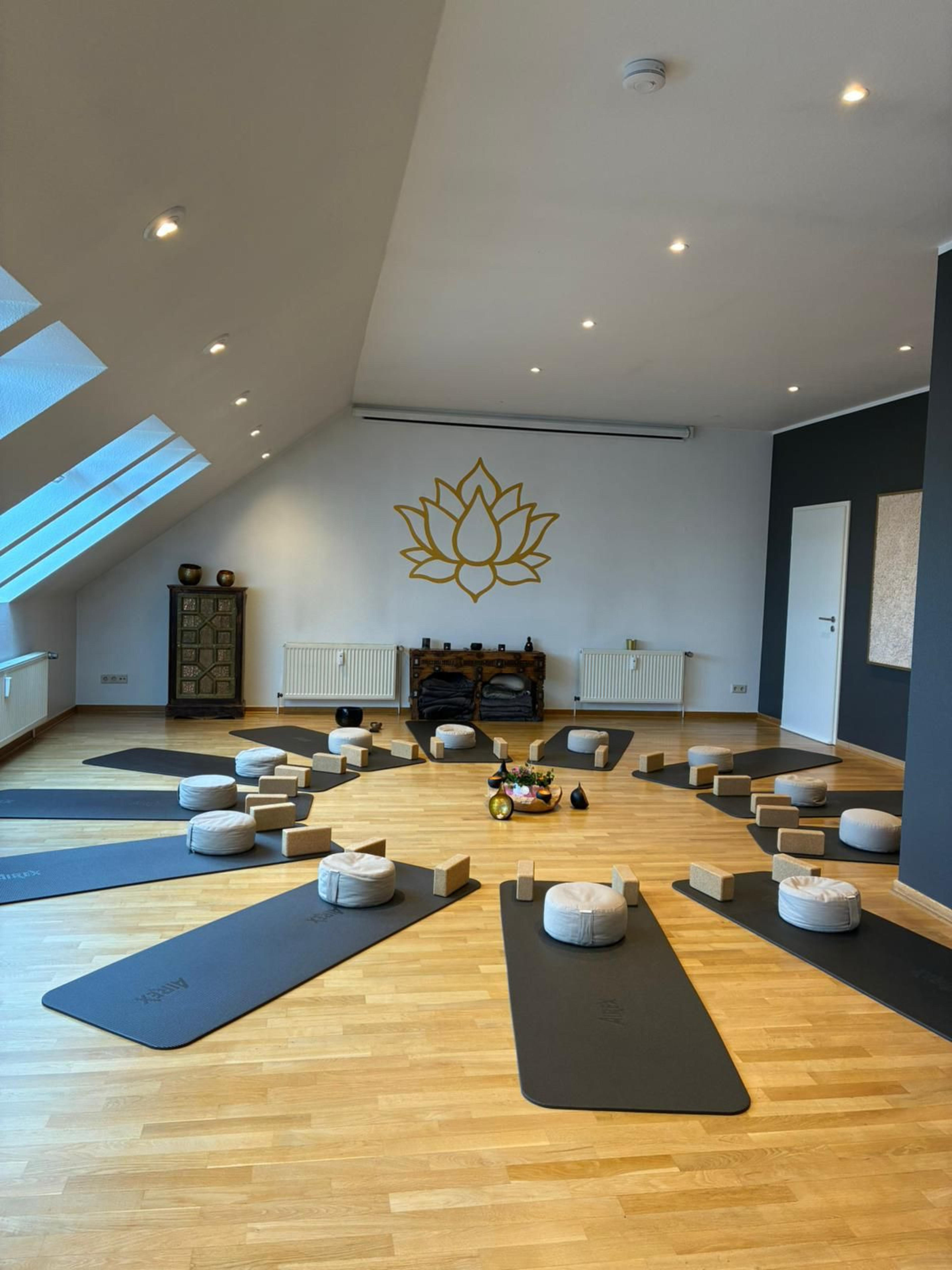
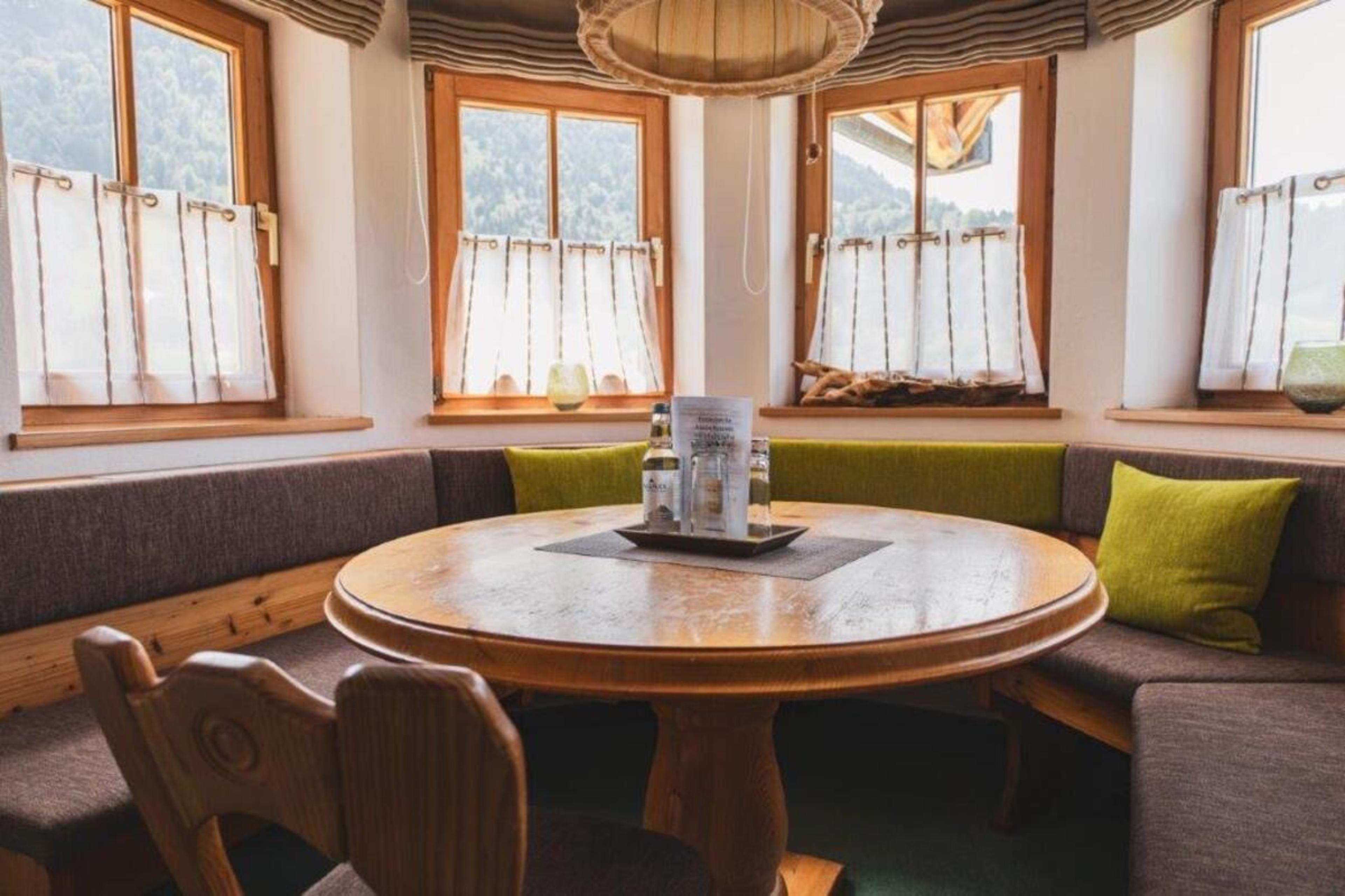
Choosing a retreat location is a personal journey. For Vata, look for places that prioritize comfort and quiet over luxury or excitement. The staff should understand the specific needs of a Vata constitution—namely the need for warmth, punctuality with meals, and a non-judgmental atmosphere. When you find the right space, you will feel an immediate 'sigh' of relief from your body as it recognizes an environment where it can finally rest and rebuild its reserves.