
Learning to fast properly
What types of fasting are there, which duration suits you best, and when does fasting make sense? Tips for avoiding the yoyo effect and achieving lasting health
Read more
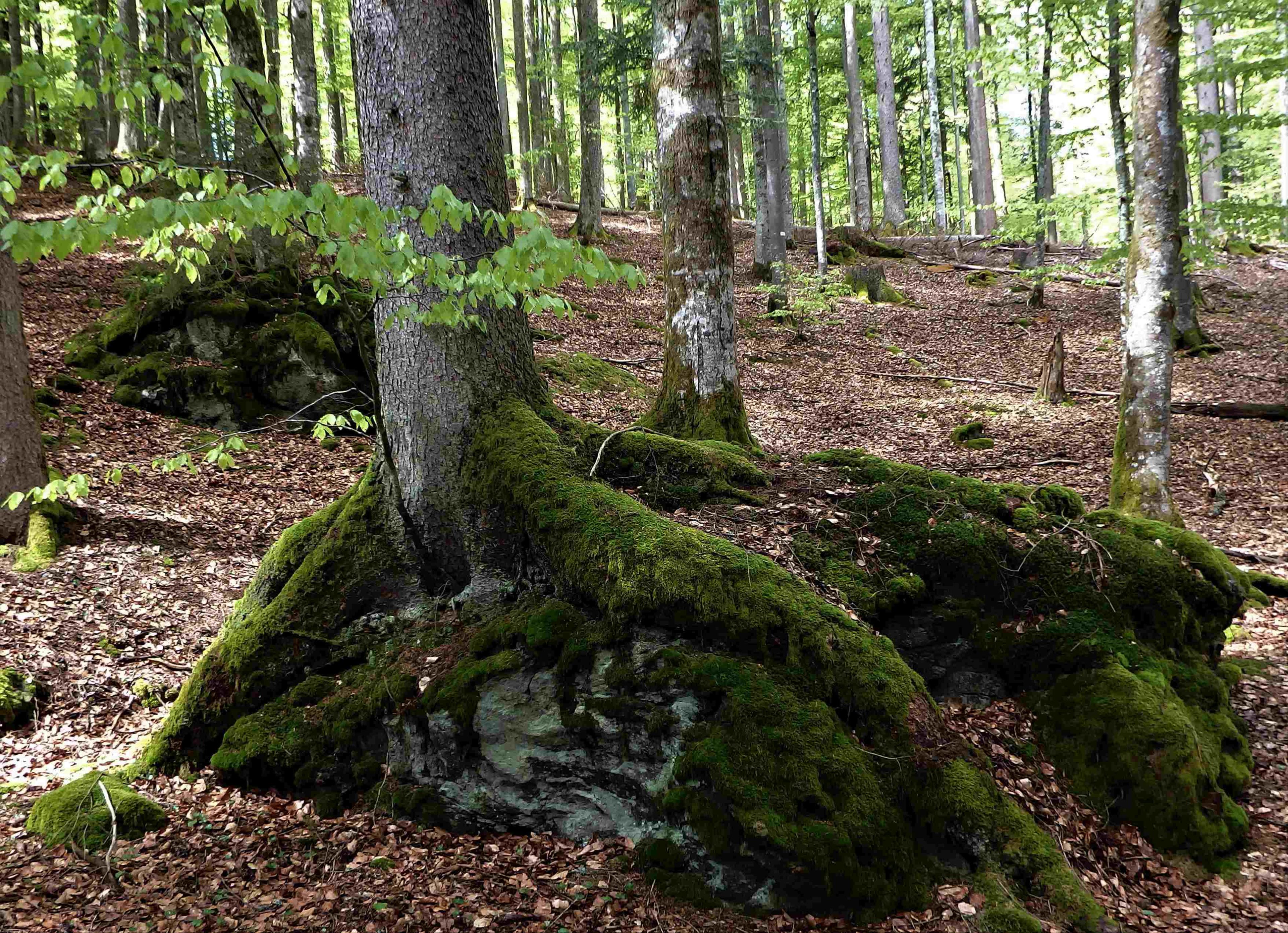
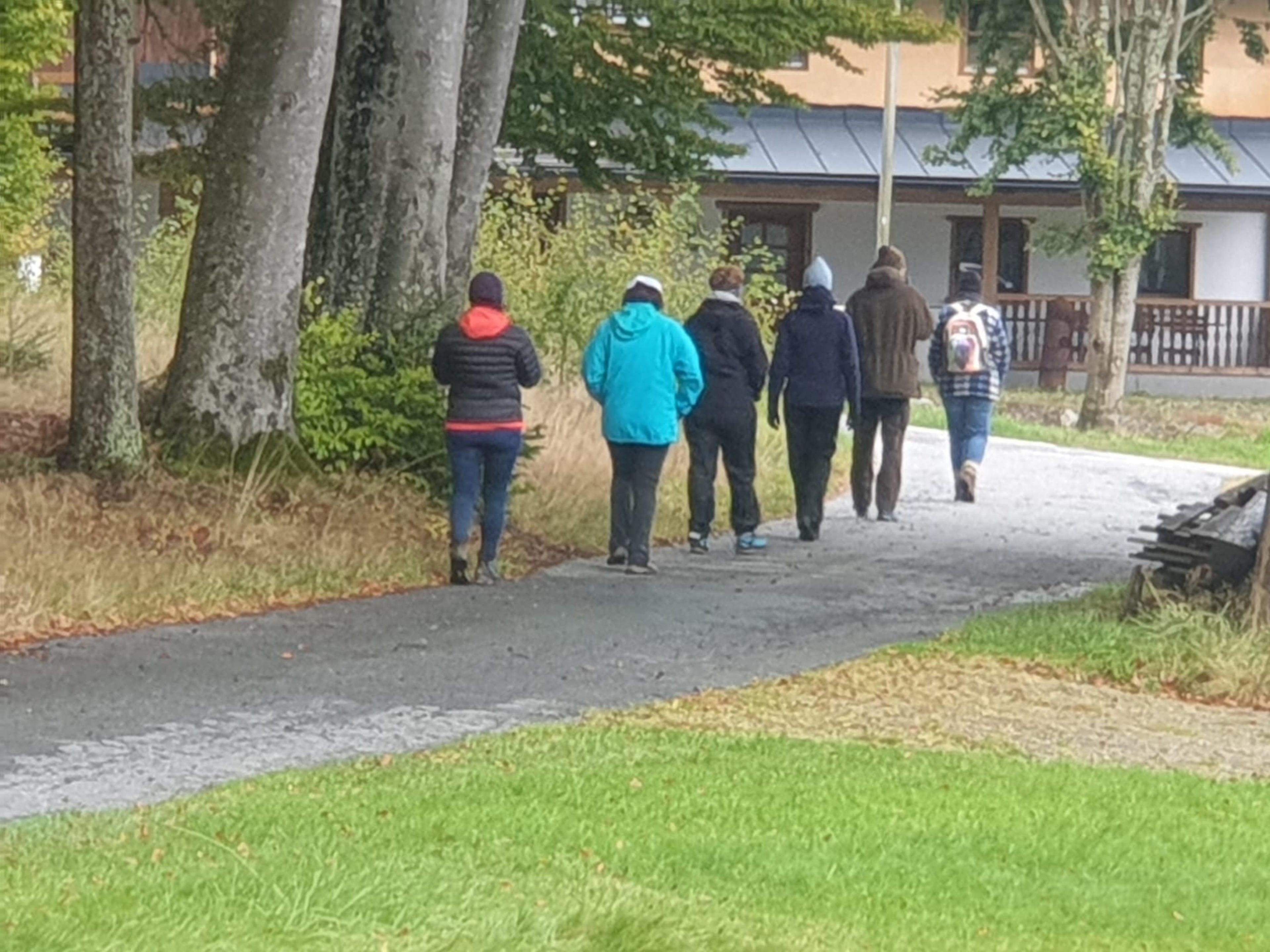
Sometimes the deepest healing does not happen during meditation or on a yoga mat, but during a quiet walk on a lonely forest path. Fasting hiking combines two ancient practices: conscious abstinence and mindful movement. Together, they open a door to inner clarity, relief, and spiritual awakening. Anyone who has ever spent several days fasting while walking through nature knows that it is less of a physical experiment and more of a return to the essence. Walking dissolves old thoughts, and silence creates space for what really matters.
Fasting hiking means bringing the body into harmony through movement and conscious abstinence from food. Originally, fasting was understood in almost all spiritual traditions as a path to purification and self-knowledge – from Jesus' 40 days in the desert to the Ayurvedic karma detox rituals of India. Hiking complements this process in a natural way: it stimulates the circulation, supports the breakdown of old energies, and connects us directly with the earth. As the body lets go, the mind clears and the heart opens. Many modern retreats now combine forms of fasting such as juice fasting, Buchinger fasting, or alkaline fasting with daily hikes. The focus is not on performance, but on conscious experience: step by step, breath by breath.
Fasting is much more than just abstaining from food. It is an act of becoming conscious. When the body needs less energy for digestion, our attention turns inward—to our emotions, patterns, and hidden desires. Many people experience moments of deep silence or intuitive insights during fasting. Walking connects heaven and earth, breath and consciousness, inside and outside. The body becomes a temple in which the soul can breathe. Many spiritual schools say, “Fasting is the prayer of the body.” Conscious abstinence creates emptiness—not as a deficiency, but as a sacred space. A space in which new clarity and connectedness can unfold.
Fasting hiking is not a competition. It is an invitation to rediscover your own rhythm. You can practice it alone in your own environment—or as part of an accompanied retreat, where medical care, herbal tea, yoga, and silent hikes are combined.
Simple steps to prepare: 1. Choose your time period carefully—5–7 days is ideal. 2. Gradually reduce your meals a few days beforehand (avoid sugar, alcohol, coffee). 3. Drink plenty of water and herbal tea – especially during the hikes. 4. Allow yourself time to rest – fasting is also a mental detox. 5. Write down your experiences – the inner journey is often deeply moving.
Mini exercise for mindfulness while walking: As you walk, focus your attention on your breathing. Feel how the earth carries you. Every step is an invitation to become lighter – in body, mind, and spirit.

After a fasting retreat, many people report a deep sense of clarity and lightness—both physically and emotionally. Old patterns that remain hidden in everyday life emerge and are allowed to dissolve. The sense of taste becomes more refined, thinking clearer, intuition more vivid. It has been scientifically proven that fasting activates processes of autophagy – the self-cleaning of cells. From a spiritual perspective, it opens the heart: we learn to be content with less, to feel nourished – not by material things, but by consciousness. Question for reflection: Which habits truly nourish you – and which are just fillers for a void that needs to be addressed?
After a fasting hiking program, the transition is crucial. Consciously eating your first meals—perhaps an apple, chewed slowly, with gratitude—can be a deeply spiritual experience. Many people adopt new rituals from this time: - Morning silence instead of cell phones - Mindful eating – with gratitude - Regular exercise in nature - ‘Mini fasts’ in everyday life – digital breaks, social media detox, reduction to the essentials This makes fasting hiking more than just a cure – it becomes a way of life: mindful, free, and deeply connected to all living things.
Fasting and hiking lead us to a point where we realize that we need less to feel more. In this simplicity lies a quiet fulfillment—an awareness that rests beyond hunger and satiety. Perhaps that is the true meaning of fasting: not only to cleanse the body, but also to open the heart—to life itself.
What types of fasting are there, which duration suits you best, and when does fasting make sense? Tips for avoiding the yoyo effect and achieving lasting health
Experience deep healing and transformation in a shamanic retreat—a journey to your inner truth and vitality. Healing means remembering who you really are.
Discover why a retreat experience is more than just a vacation for solo travelers—it is a conscious journey toward inner peace, healing and self-discovery.