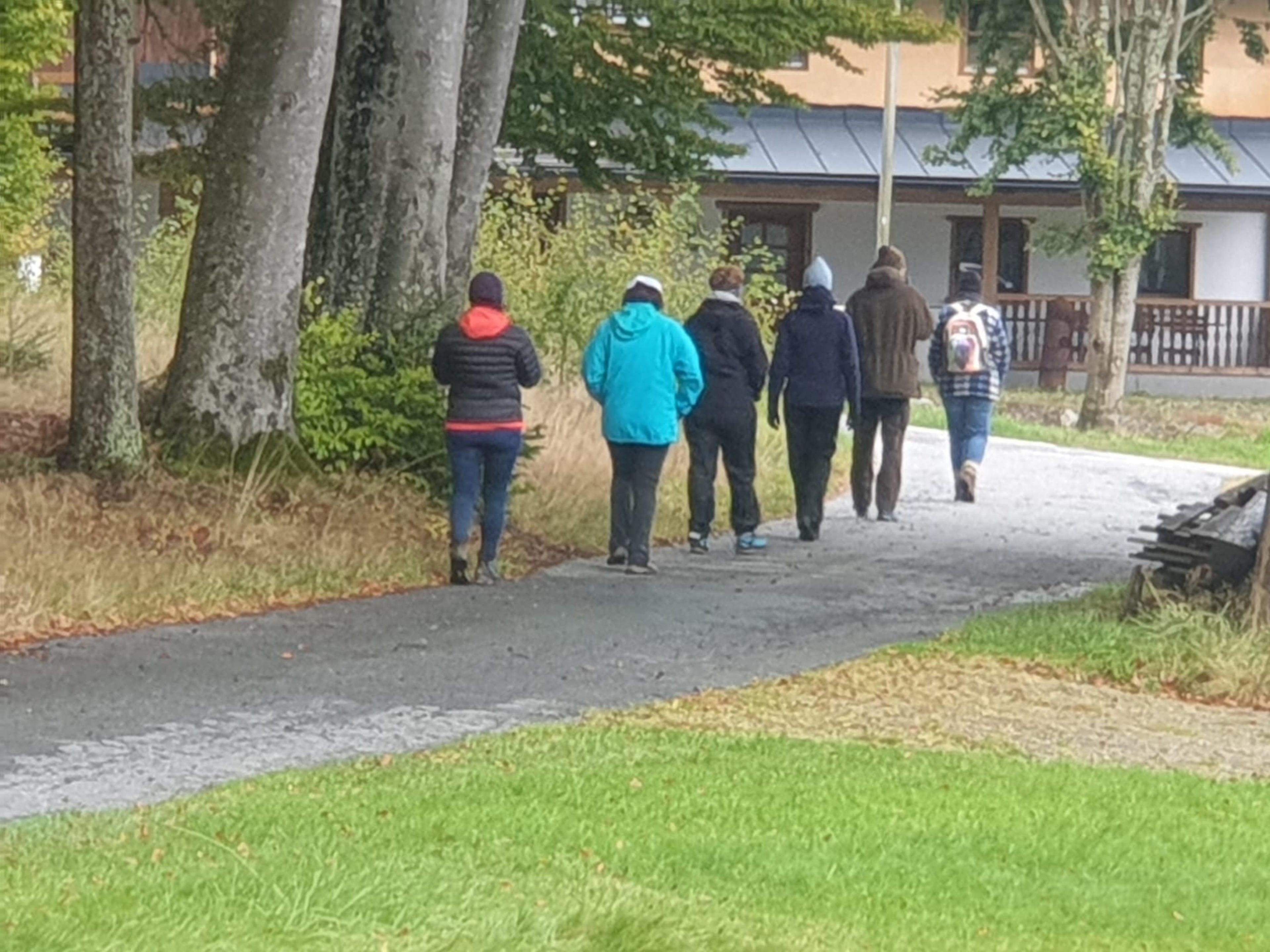

Fasting hiking – combining exercise and abstinence
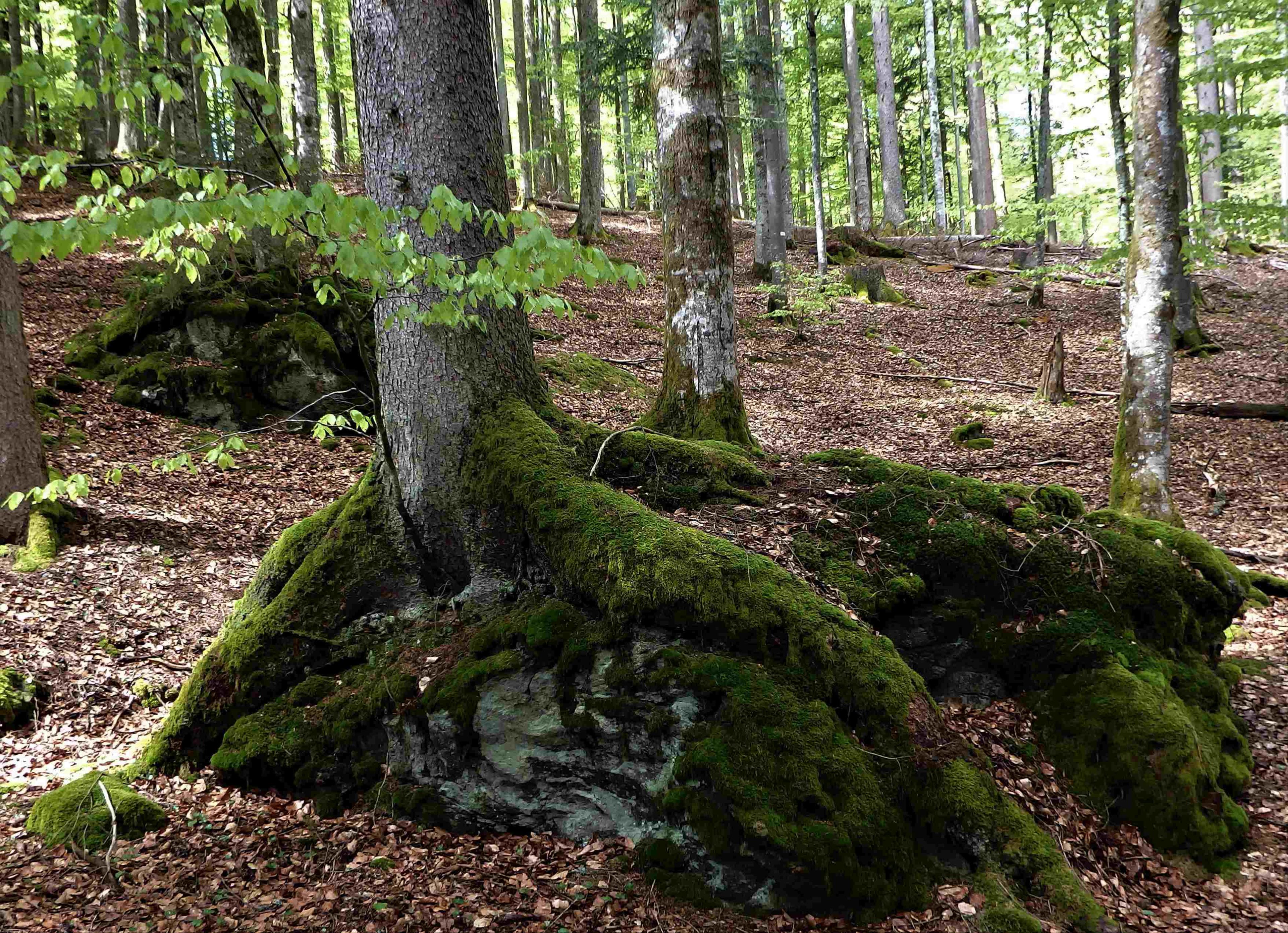
Anyone who has ever spent several days fasting in nature knows that it is less of a physical experiment and more of a return to the essence.
Read more

In our modern world, we are constantly surrounded by noise, processed foods, and endless streams of digital information. A detox retreat offers a deliberate pause—a chance to step back and allow your body and mind to return to their natural state of balance. It is not about deprivation or punishment; rather, it is an act of self-care that focuses on removing the excess to make room for what truly matters.
Your body is naturally equipped with a complex system designed to filter and eliminate toxins. The liver, kidneys, lungs, and skin work tirelessly to keep you healthy. However, because of modern lifestyle factors, these systems can sometimes become overwhelmed. A detox retreat provides the necessary conditions—clean air, pure water, and nutritious food—to support these organs in their vital work. It is about simplifying your intake so your internal energy can be redirected toward healing rather than processing heavy substances.
One of the main advantages of a retreat compared to detoxing at home is the curated environment. When you are away from your usual triggers and responsibilities, your nervous system can finally settle down. A calm, grounded atmosphere acts as a container for your transformation. By removing the pressure of daily decisions, you allow your mind to quieten, which is just as important as the physical aspects of "entgiften" (detoxifying).
When we give our digestive system a break, the body begins to utilize its energy for cellular repair and deep cleansing. Many participants notice significant changes even within the first few days of a retreat. These physical shifts are often the catalyst for a more permanent lifestyle change, as they remind us how good it feels to be vibrant and light.
The liver is the primary laboratory of the body. During a detox retreat, we avoid substances like caffeine, alcohol, and refined sugars that place a heavy burden on this organ. Instead, we focus on bitter herbs, plenty of hydration, and liver compresses. Similarly, the kidneys benefit from structured hydration, helping to flush out metabolic waste and balance electrolytes. This targeted support allows these organs to function at their highest capacity.
They say the skin is a mirror of our internal health. As the gut begins to clear out stagnant waste, the skin often takes on a clearer, more radiant appearance. In a retreat setting, we prioritize fiber-rich foods and fermented liquids that support a healthy microbiome. A balanced gut not only improves digestion but also strengthens the immune system and has a profound impact on our overall mood and energy levels.

Entering a detox retreat is like hitting the reset button for your entire being. This process of 'entgiften' goes far beyond what we eat. It involves a holistic approach where the physical, mental, and spatial surroundings are harmonized. Imagine waking up in a quiet room, where the only thing on your schedule is a gentle walk or a warm tea.
This simplicity is where the magic happens. Without the distraction of work emails or social media, you become more aware of your body's subtle signals. You might notice a sense of lightness in your limbs or a newfound clarity in your thoughts. The goal is to leave the retreat not just with fewer toxins in your system, but with a deeper understanding of your own needs. By slowing down, you create the space necessary for long-term health to flourish naturally. This grounded approach ensures that the benefits of your stay linger long after you have returned home.
While the physical aspect of a detox retreat is often the initial draw, many people find that the mental and emotional cleansing is even more transformative. When we stop consuming stimulants and distractions, our internal dialogue becomes clearer. This can be challenging at first, but it ultimately leads to a profound sense of peace and self-awareness.
We are the first generation to be reachable twenty-four hours a day. This constant connectivity keeps our brains in a state of high alert. Part of the retreat experience is often a 'digital detox,' where you limit or completely avoid your phone and computer. This break allows your dopamine receptors to reset, reducing anxiety and improving your attention span. You reclaim your time and your focus, which is a vital part of the modern detoxification process.
Through simple practices like conscious breathing and mindful eating, you learn to live in the present moment. Stress is a major contributor to toxin accumulation in the body, as cortisol can disrupt metabolic processes. By learning to regulate your nervous system through calmness and reflection, you stop the cycle of stress-induced toxicity. This mental clarity is the foundation for making better health choices in the future.
Structure is a key element of any successful detox retreat. A well-planned daily routine provides a sense of security and rhythm, which helps the body synchronize its natural biological clocks. This rhythm supports sleep quality and metabolic efficiency.
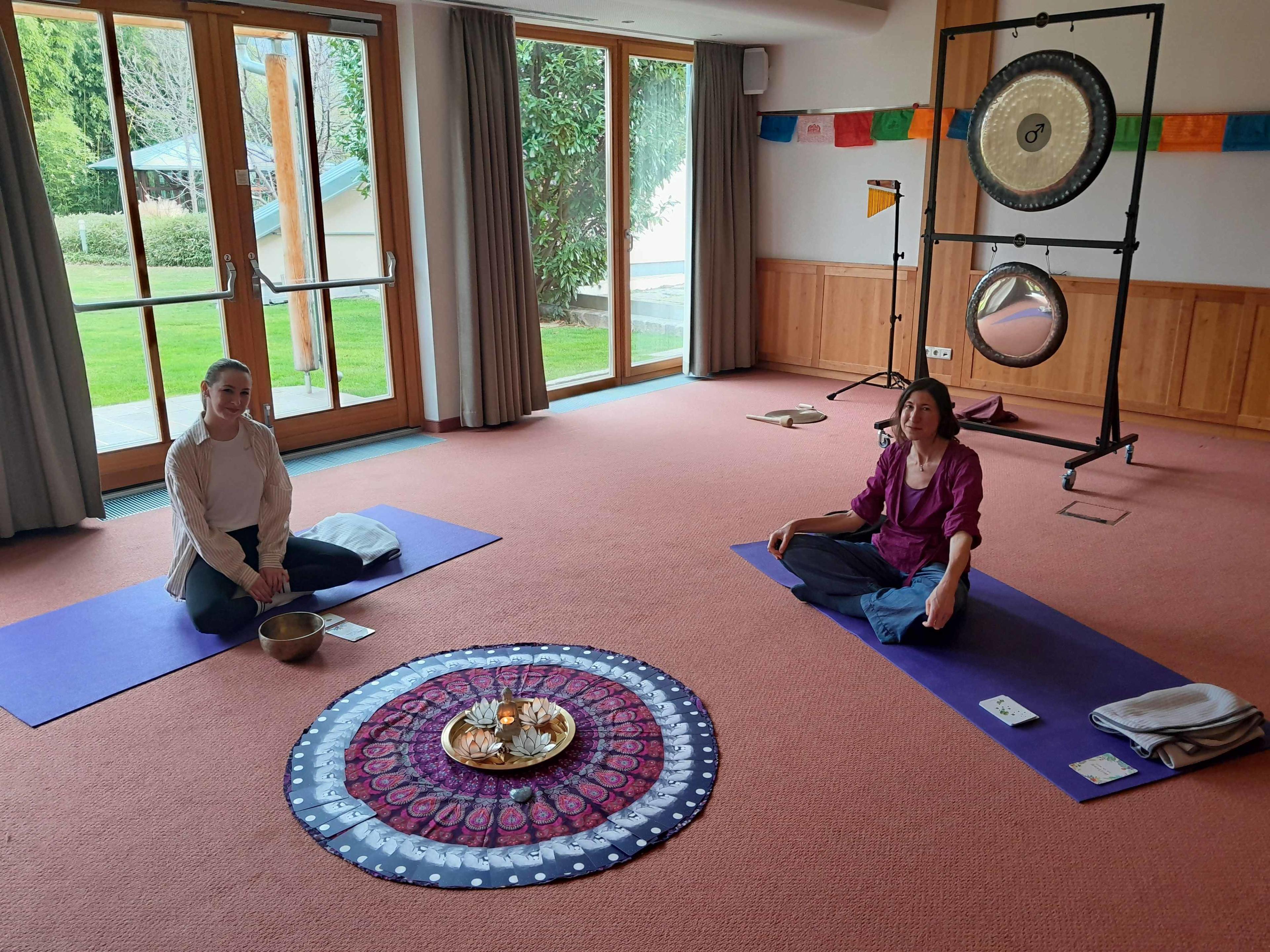
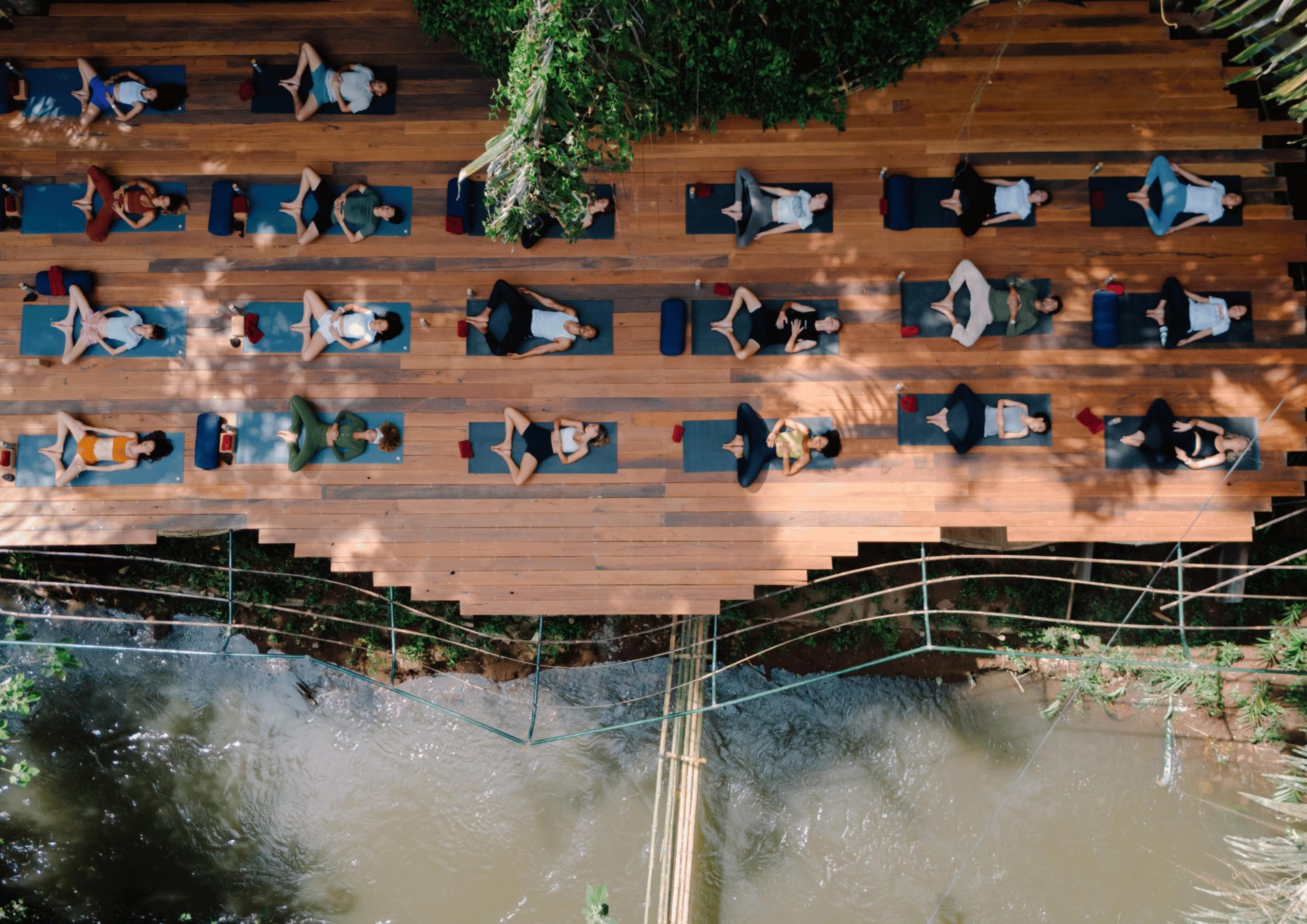
During a detox, it is important not to overexert the body. Instead of high-impact exercise, retreats focus on gentle movement such as walking in nature, slow stretching, or light yoga. These activities stimulate the lymphatic system without causing unnecessary stress. Equally important is rest; allowing yourself to nap or simply sit in silence is encouraged. Rest is the state in which the body heals most effectively.
The food provided in a detox retreat is designed to be easily digestible and nutrient-dense. Whether it is a juice fast, a soup-based cleanse, or a whole-foods plant-based menu, the focus remains on high-quality, organic ingredients. Every meal is an opportunity to practice mindful eating—savoring each bite, chewing slowly, and listening to your hunger and fullness cues. This builds a healthier relationship with food that lasts beyond the retreat.
Not every detox path is suitable for every person. It is important to choose a retreat that aligns with your current health status and your personal goals. Some may prefer the intensity of a traditional fast, while others may benefit more from a gentle transition focusing on alkaline foods. Consulting with a professional can help you decide which approach will be most supportive for your unique constitution.
The true value of a detox retreat is measured by how it changes your life once you return home. It is not about being perfect, but about carrying the awareness you gained into your everyday choices. This might mean keeping a ritual of morning tea, continuing a digital-free hour before bed, or simply being more mindful of the ingredients you buy. A retreat is a starting point for a life lived with more intention and health.
Entgiften refers to the process of supporting the body's natural elimination organs (liver, kidneys, gut, skin) by reducing the intake of processed substances and providing a healing environment through nutrition and rest.
Most people can benefit from a retreat, but those with pre-existing medical conditions, pregnant women, or individuals with eating disorders should consult a doctor before participating. A professional retreat will always offer a consultation.
While even a weekend can be beneficial for mental rest, most experts recommend at least 5 to 7 days for the physical detoxification processes to take full effect and for the nervous system to truly settle.
Depending on the method, you might feel some hunger in the first two days. However, most retreats provide nutrient-dense options that keep you satisfied, and your body quickly adjusts to lower calorie intake.
Common symptoms during the first few days can include mild headaches or tiredness as the body adjusts. These are usually temporary and are followed by a significant increase in energy and clarity.
Integration is key. Start by implementing one or two habits from the retreat, such as drinking more water or taking a daily walk. Incremental changes are usually more sustainable than trying to change everything at once.
Anyone who has ever spent several days fasting in nature knows that it is less of a physical experiment and more of a return to the essence.

This fasting app creates personalized fasting plans with recipes, daily structure and carefully coordinated exercises – suitable for everyday use and mindful.

Find your dosha type and receive a personalized Ayurvedic nutrition plan with flexible recipes and PDFs. Free of charge and without registration.